When temperatures drop, and frost begins to form, staying active in the garden can feel pointless. Nothing seems to grow (or shine) during the short northern winter days. No water. No feeding. There’s no reason for you to brave the elements.
Or is there?
One can find expected and unexpected jobs to do in a winter garden to bring about a beautiful and productive spring. And then, there’s the boost to your mood and immune systems (and more) from being outside in the cold.
Motivation and benefits aside, the struggle of winter gardening is real.

We’ve all been there, waking up in the low light, being determined to go out and get the much-needed vitamin D, and finding ourselves staring out into the garden/terrace/balcony with the fifth cup of tea because the day has turned so overwhelmingly grey/grim/cold/lifeless…(you name it)
On such a day, these tactics can help make it easier to get some gardening. Try them out this winter and let me know how things go in a few months (or simply send me a photo of your garden in the spring).
- Focus on Winter-Friendly Gardening Activities
- Invest in the Right Gear for Comfort
- Embrace Short and Frequent Chunks of Gardening
- Keep Motivation High with Goals and Rewards
Focus on Winter-Friendly Gardening Activities
Not every gardening task needs to stop in the colder months.
It is true that many plants either die out or go dormant during the cold, harsh winter up north. That means no water or feeding for most of the garden. Yet, you can find plenty of gardening jobs to stay active, from pruning dormant trees and shrubs to winter seed sowing. The list of gardening things to do outdoors can get pretty long. (See below).

Making time for these tasks throughout the coldest months means that your garden and you will be prepared for the main growing season starting in spring.
Here’s a list of outdoor gardening tasks you can do during the colder months:
- Standard winter tasks:
- prune trees and shrubs
- trim branches damaged in the wind as soon as it happens
- winter sowing any suitable seeds
- take hardwood cuttings for propagating
- catch up with autumn tasks, like mulching and tidying fallen leaves, if you are falling behind
- Damage-preventing tasks (if a harsh winter or frequent serious frost is expected):
- add extra mulch around tender plants and newly planted trees
- stalk plants to avoid breakage under strong wind and heavy snow
- improve shelter
- group containers for mutual protection
- wrap containers to prevent roots from being frozen
- lift containers high up to avoid damage from the freezing of excess water
- Ongoing planning tasks
As your garden grows over the years, it is always beneficial to take stock of what has worked, is still working, and is not working anymore. Watching a fairly empty garden in the winter can give you the perspective of the full circle in your garden and help you imagine which additions will work or will not work in the coming years.
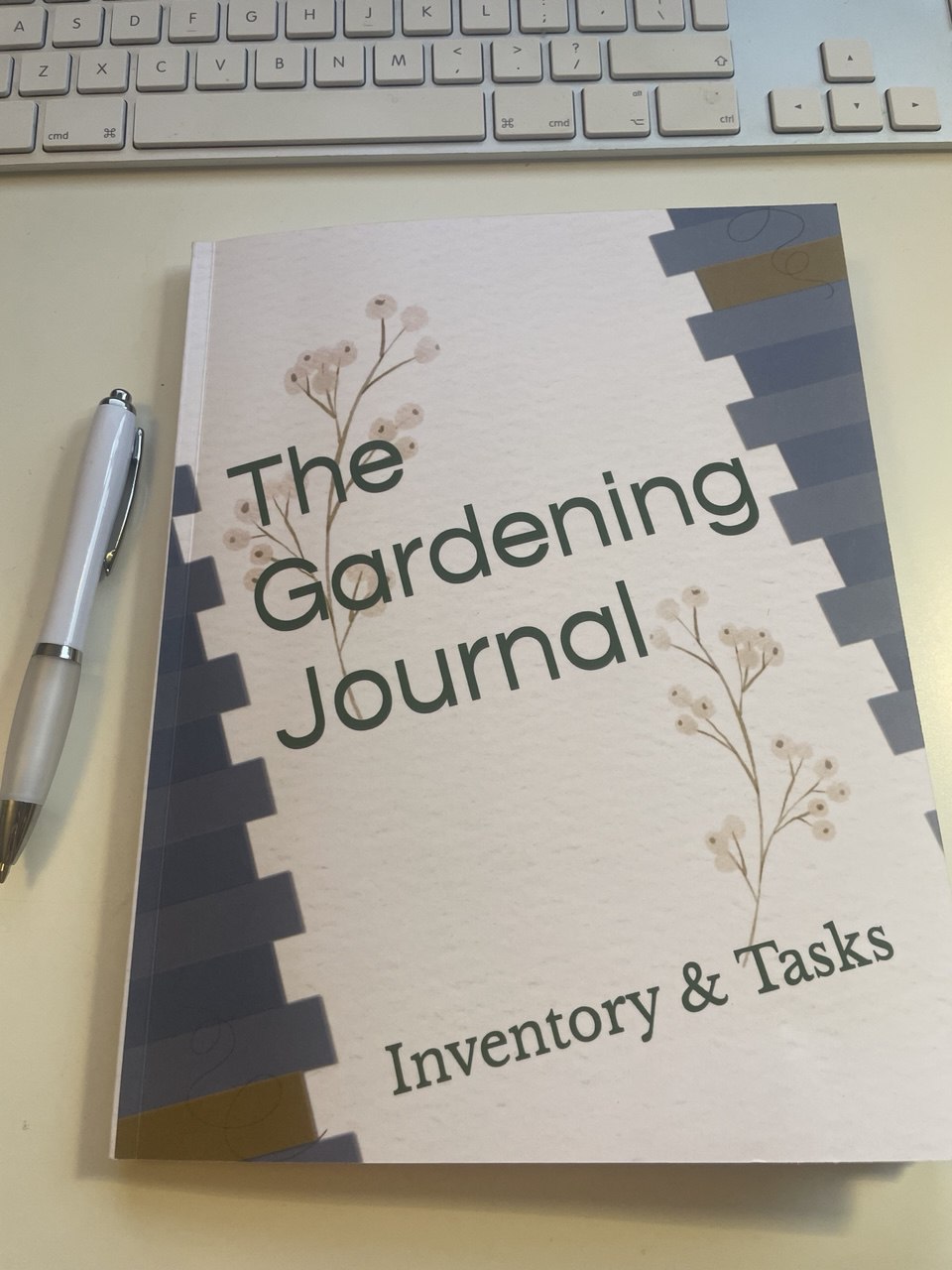
Winter is also an ideal time for indoor tasks you might have struggled to fit in during active growing seasons. For example, you can use this quieter period to mend your tools and inventory your supplies, seeds, and plants. If you haven’t got a book for garden inventory, grab one from our stores (Amazon and Gumroad).
Invest in the Right Gear for Comfort
Having the right gear could be the missing piece to puzzle out the enjoyment of winter gardening.
“There’s no such thing as bad weather, only unsuitable clothing.”
-Alfred Wainwright, A Coast to Coast Walk
I have been told various versions of this saying when I shivered throughout the long winter months in different parts of Northern Europe. I often politely nod my agreement to whichever well-meaning conversation partner, but I quietly disagree.
There is bad weather! I grew up in Vietnam with flood-induced torrential rain and roof-battering storms every so often. And then I moved much further north to find a different kind of bad weather. The bitter cold. The slushy snow melts and freezes on your cheek. And worst of all, the depressing lack of sunlight.
Yet, I get the sentiment of the saying. I have lived it. As I learn (the hard way) to layer up every time I set out from my heated living quarter, it gets much easier to cope with the cold. The more diligent I become with piling on suitable gear, the more I can enjoy the outdoors despite the bad weather. This is especially true when I spend time in my garden during the colder months.
Here are some ideas for suitable gardening gear for wintry days:
- wind-resistant, waterproof jacket
- waterproof pants
- warm yet breathable thermal baselayers and socks
- woolly hat
- neck warmer
Ideally, you want element-proof outer layers and flexible, breathable inner layers to stay comfortable as you move around, sweat, and stay in one place (in whichever order).
One more thing I have found useful is to keep the gear ready, like by the back door that opens into my garden. When you already don’t quite feel like facing the cold, even the mental quest for the missing waterproof pants would be enough to stop you from even trying to go out.
Embrace Short and Frequent Chunks of Gardening
Gardening during winter doesn’t mean you must spend hours outside battling the cold. If you break every hour into three sessions of 20 minutes, you will find winter gardening much more manageable.
Doing shorter chunks means you are less likely to get too cold (and miserable). Also, you might find it easier to find a time slot when it benefits you and your garden the most.
I am lucky to be able to work from home, as it allows me to find the 20 minutes here and there to
- get out as soon as possible in the morning, which is beneficial for my mood and my sleep/wake cycle
- get out whenever it is dry and sunny: as long as I am not in the middle of writing down a fleeting idea, I drop the pen (well, keyboard) and go out when I see the sun
- get out before or after an episode of extreme weather to prevent or control any damage
Keep Motivation High with Goals and Rewards
With little or no flowers, fruits, and garden bounty, winter gardening can feel thankless.
To stay motivated, set small, achievable goals and celebrate upon completion, whether it is a quick pruning session or organizing tools.
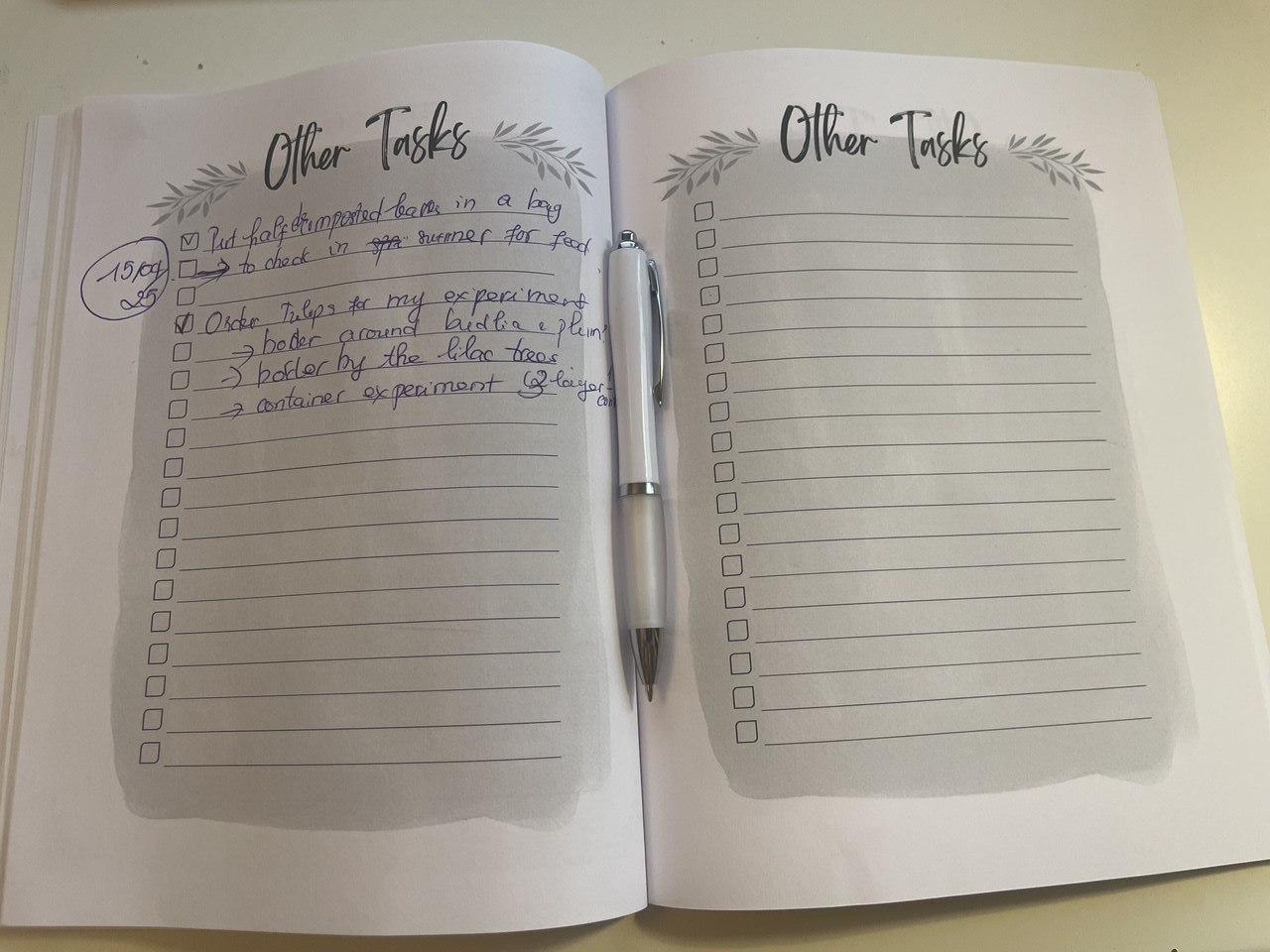
I also track what I accomplish each week, reminding me that even small actions add up over time. For tracking gardening tasks, I used to work up a Trello board (back in 2018), but now I prefer a pen and the garden journal that I designed myself.


 Grow More With Less
Leave a comment