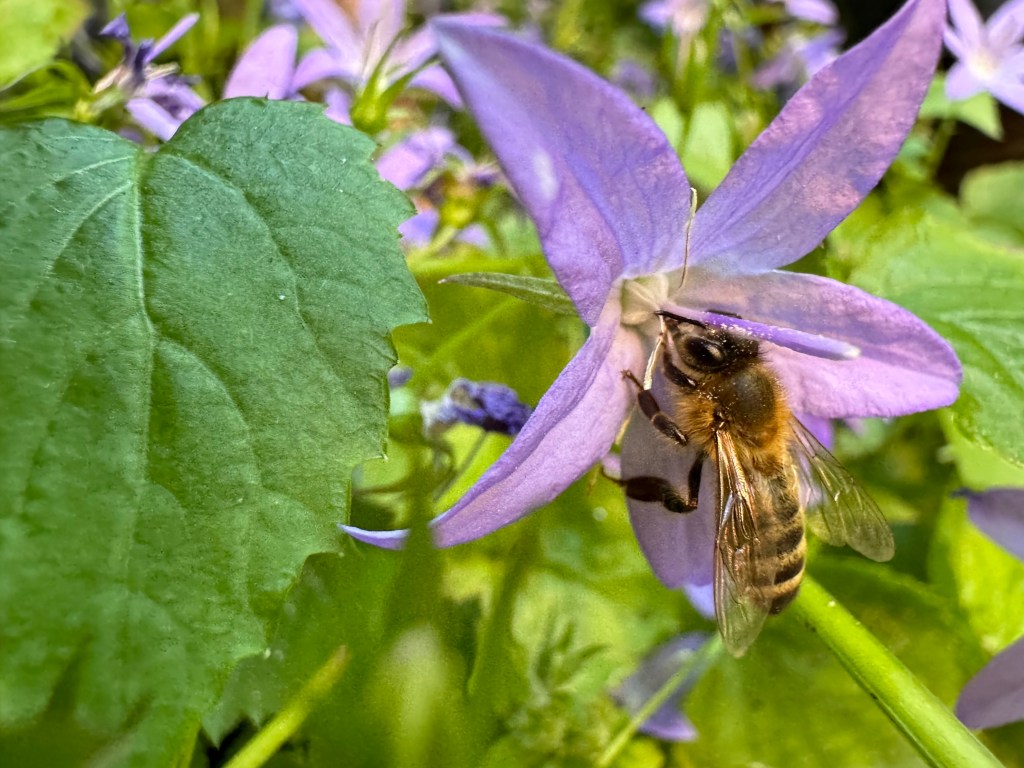
As gardeners, every year is a new chapter—a chance to experiment and excite.
In 2024, I set out to make my tiny outdoor space productive and restorative for the hungry and weary souls, humans and wildlife alike.
My garden is relatively small (or tiny to some standards). I have about 50 square meters of outdoor space, dividing into the back and the front, with occupied areas for a shed and many bikes (and too many tiles for my liking).
Also, much of the open ground has been taken by trees and shrubs planted by the previous owner. Though I have given away some of the old ones to make space for my own, it is not a makeover I want to do in a season or a year.
With limited ground space, I was forced to be creative: building green walls, massing hanging baskets, investing in sizable containers, and experimenting with food forests.
- Create Green Vertical Surfaces
- Fill Hanging Baskets With Edible Plants
- Use Sizable Containers for Versatility
- Experiment with Forest Gardening
Though some of these might change as 2025 rolls in and my garden evolves, I am quite pleased with the results of 2024. The bounty of blueberries from my potted plants, the eye-pleasing and bee-loving passion fruit walls, and the extended harvest of leafy greens and herbs above the ground are just a few of 2024’s successful experiments.
Create Green Vertical Surfaces
Vertical gardening turned my bare walls into vibrant ecosystems.
Check out the same spaces in two timelines (2021 and 2024)


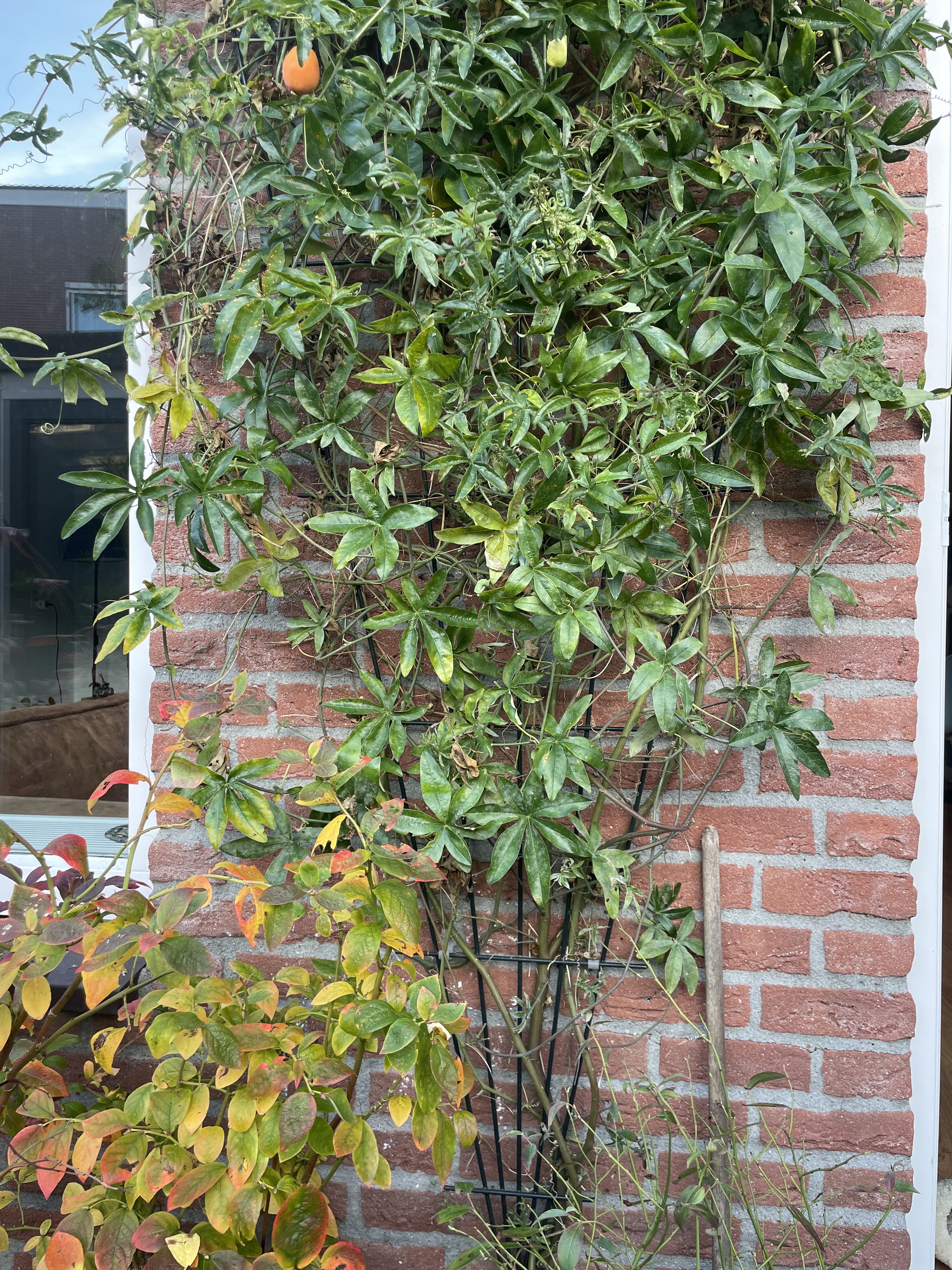
Green walls (like the ones on the right) maximise space while providing shelter and food for bees, butterflies, and small birds.
If you feel inspired by wall greens, check out a list of climbers and shrubs that might fit into your gardening space in our beginner guide for growing climbers.
Fill Hanging Baskets With Edible Plants
Hanging baskets aren’t just decorative—they can be functional, too.
In 2024, I did swaps like pansies for Swiss chard microgreens or petunias for cinnamon basils for the growing baskets off the ground. These are hung over the front fence, tucked between the sturdy branches of the lilac tree or dangled over the support wire my husband put up for the raspberry canes.


When my dad visited, bringing so many seeds of Vietnamese leafy vegetables, the hanging baskets also housed some of the young seedlings (while the on-the-ground seedlings got eaten by slugs and snails).

Thanks to these nimble containers, I’ve kept a steady flow of the most used and loved cooking ingredients throughout 2024.
Use Sizable Containers for Versatility
Large containers became the cornerstone of my garden’s productivity.
I invested in sizable pots for berry bushes: blueberries, raspberries, and red currents. The mobility of containers gave me the flexibility to move plants to sunnier spots or protect them during extreme weather. The individuality of a pot also allows me to provide a plant with a customised growing mix, like blueberry and its preference for acid soil.
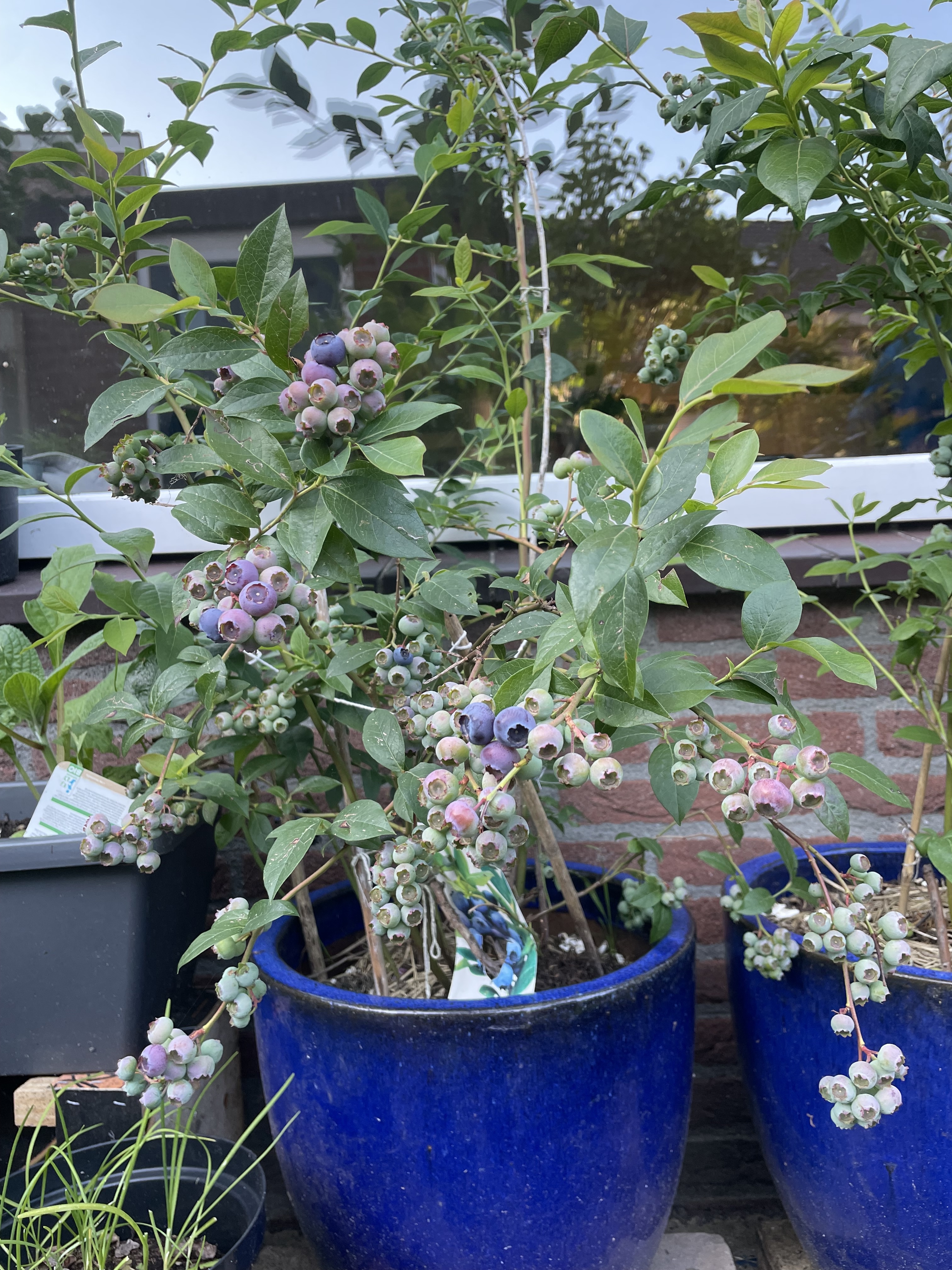
Additionally, I squeezed bee-friendly native wildflowers, like borage and marigolds, in between shrubs in the big containers to create microhabitats for pollinators.


Experiment with Forest Gardening
Forest gardening is a form of agroforestry where you combine plants in a woodland-like pattern to produce more food. People also say “food forests“, though in my case, it has to be a supermini one.
In 2024, I tried out this concept for the front of my house, packing in plants for every level possible that would increase my bounty of edibles.
I had left the front garden mostly as it was for the first few years after we moved in (except for giving away three huge hydrangea bushes to make room for our “bakfiets”).
Despite being a north-facing, heavily shaded plot, the front garden was packed with beautiful spring bulbs, shrubs, and trees, providing vibrant colours for most of the year.

I inherited there, amongst many others, a red robin tree (Photinia x fraseri) reaching the first floor, a Fuji cherry blossom giving the most impressive display when springs aren’t erratic with her snow spells, a mature Weigela ‘Bristol Ruby’ and a relatively young buddleia (butterfly bush) colouring the space and feeding insects through to very late in autumn.
But I wanted more fruits, vegetables, and herbs. I thought it would be a waste the couple hours of morning and late afternoon sun if I didn’t try.
So, in 2024, I did.
My Bristol Ruby must have reached 2 meters tall. Still, it has slender branches that let dappled sunlight through, so I experimented with putting shorter, shade-tolerant plants underneath it at several height levels.
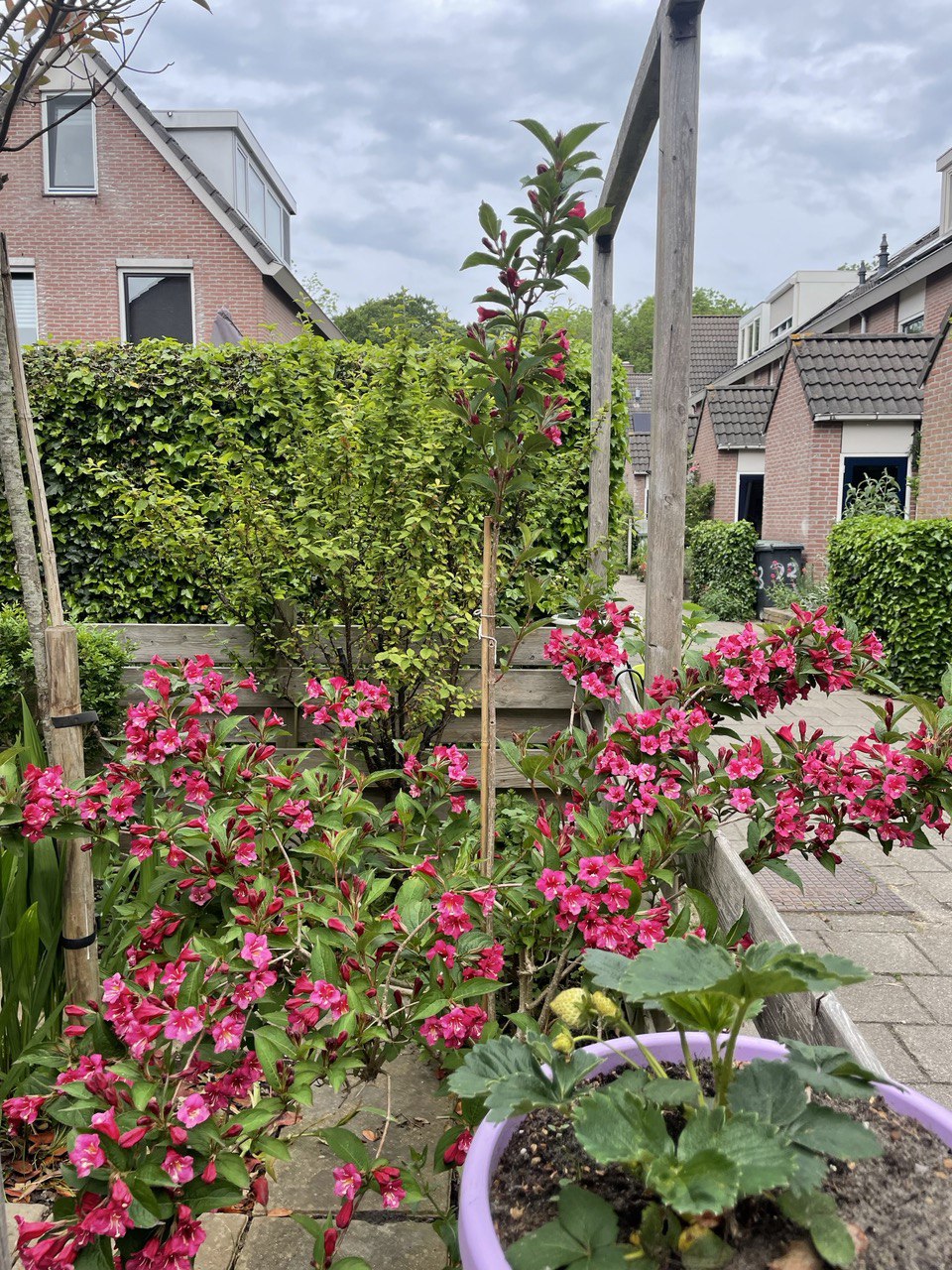
Here’s the 2024 ground plan centred on the Bristol Ruby
- bell flowers and nasturtiums at the ground level (and up the surrounding fence)
- tulips at 20-30 cm
- red currents at 40-50cm
- alliums at 80-100 cm
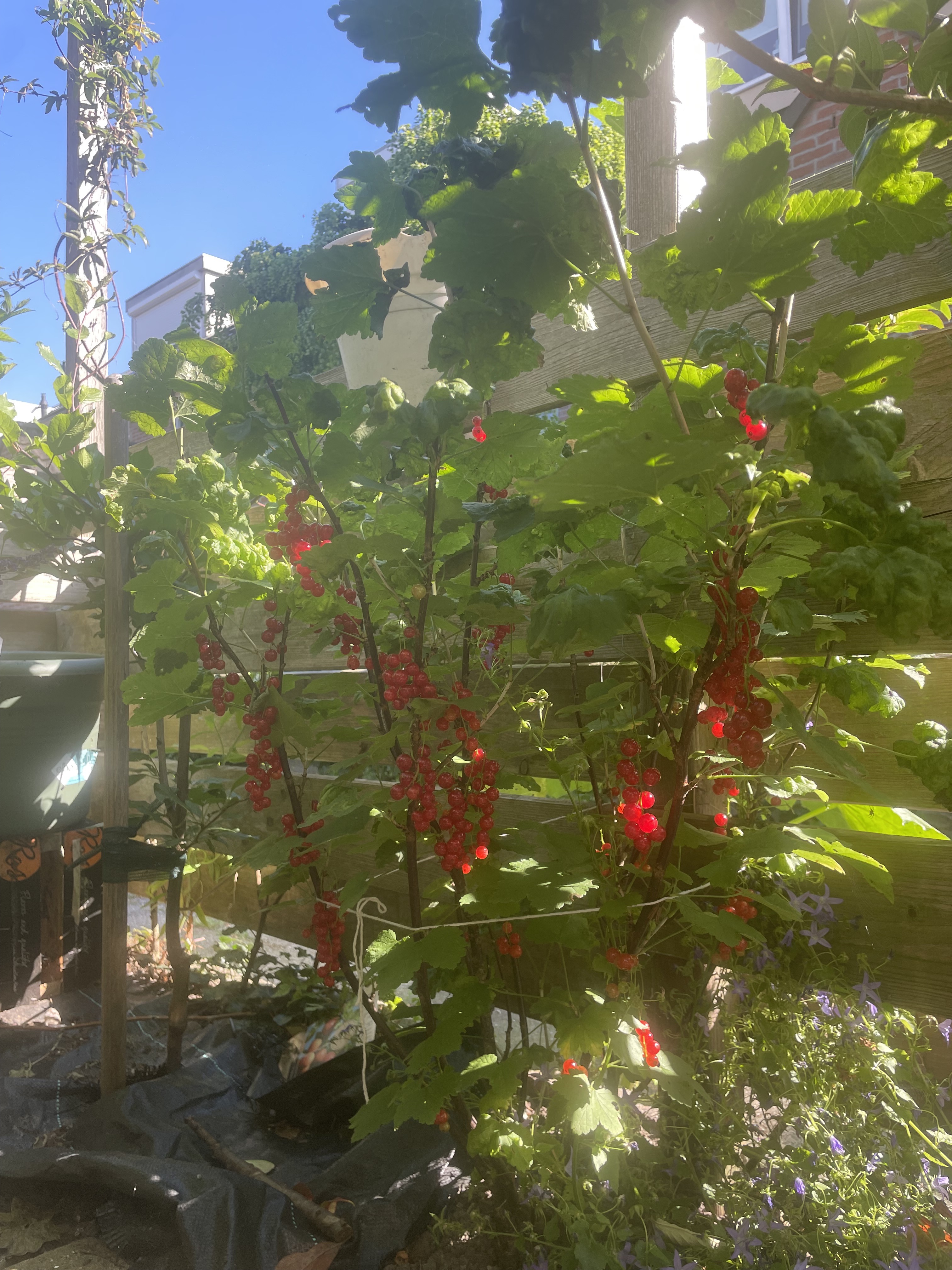
The nasturtiums and alliums didn’t flower this year (I guess the wet and cold spring was to blame). Yet, the red current gave the most fruits to meet the eyes and the husband’s tummy (his favourite).
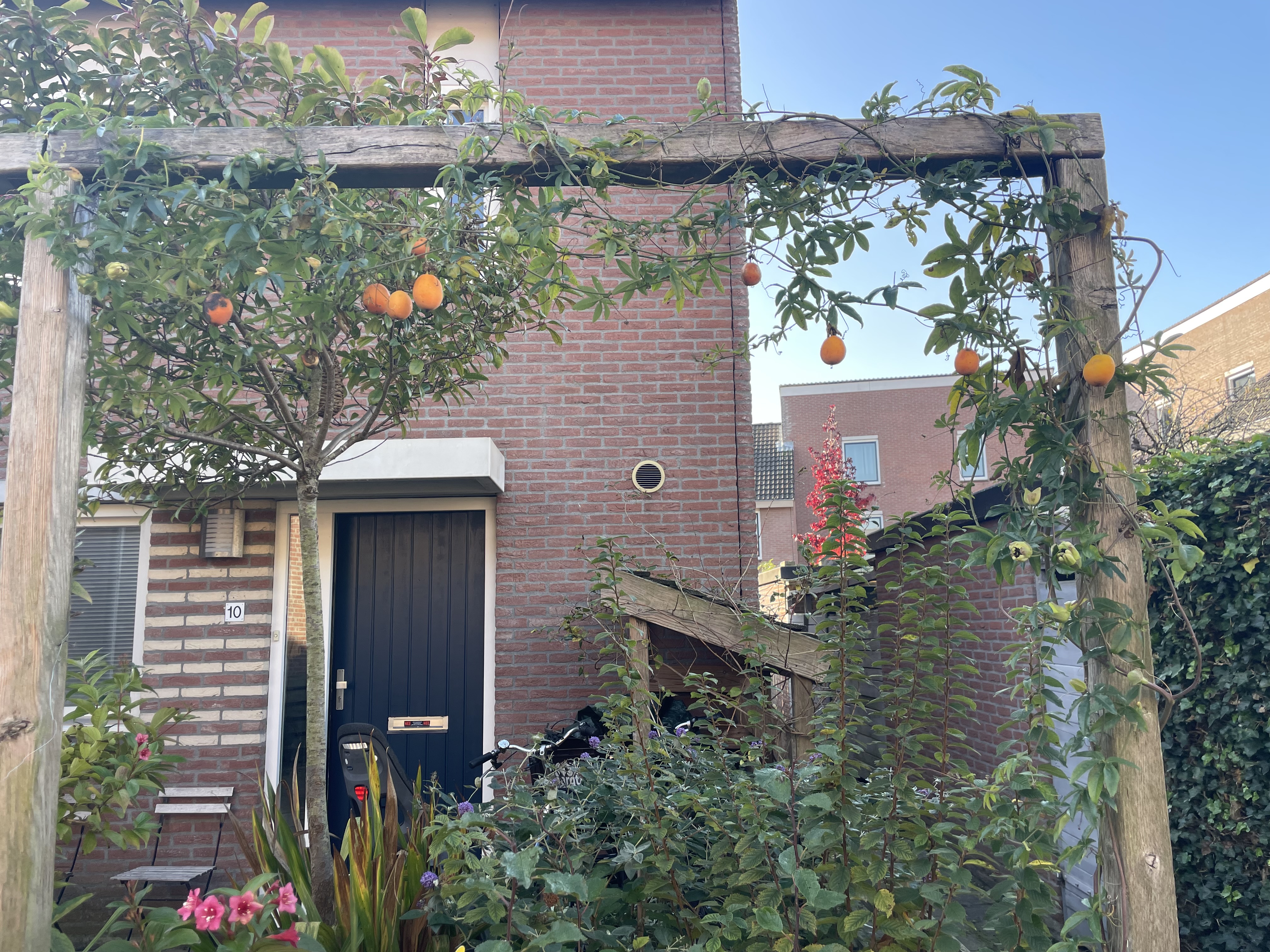
Also, the fence dividing my front garden and the public path was bare of greenery (and original vanish), which is both uninspiring and wasteful as it gets the most sun.
But 2024 saw a climbing hydrangea, a blue passion fruit vine, and a honeysuckle weaving their tendrils around the fence. They are all fairly young, yet they have already added texture and colour while supplying the insects with nectar and pollen.
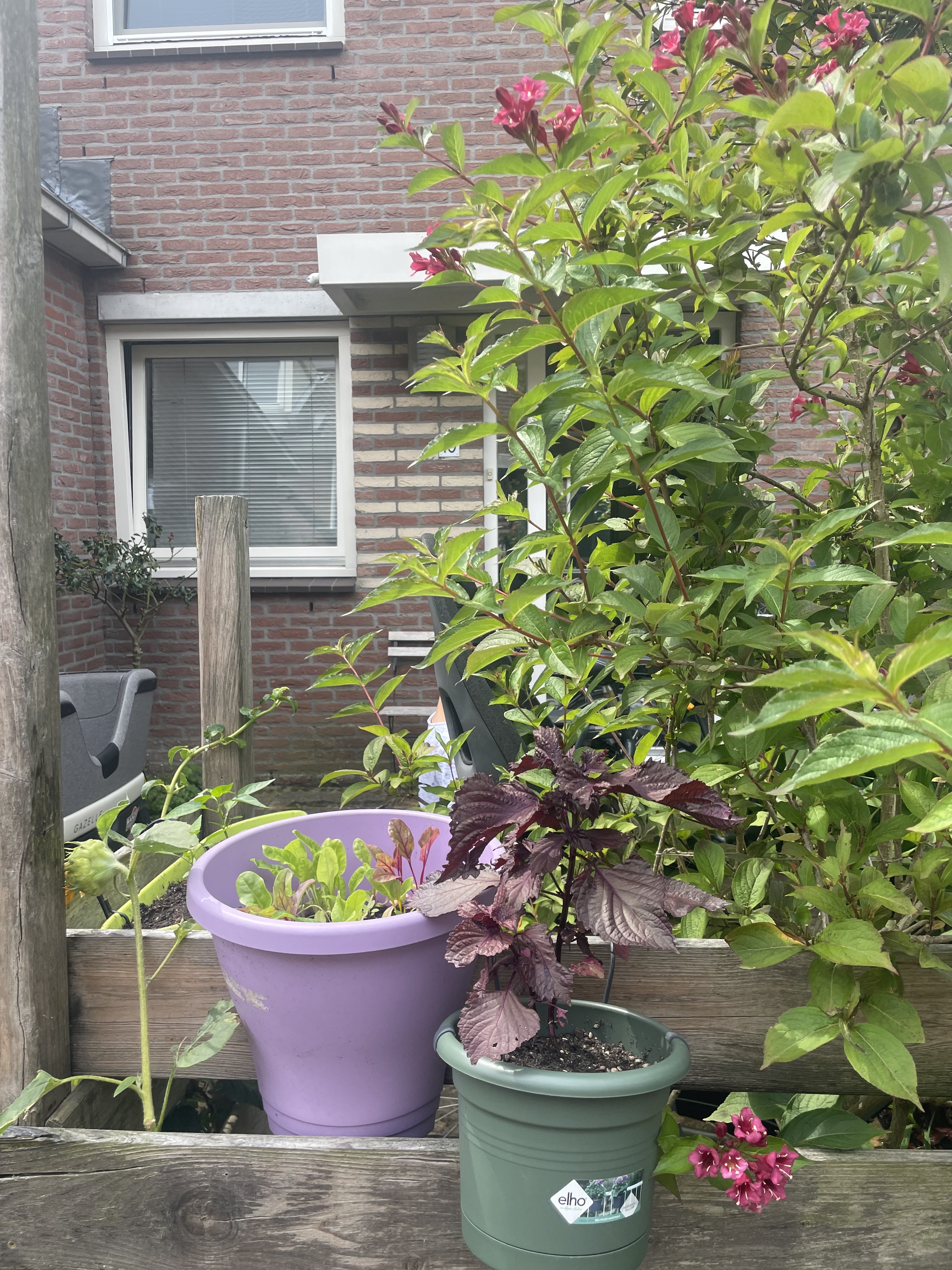
I also stuck some hanging baskets on sunny spots for annual vegetables, which I am dead happy about.

If you are enjoying this post, you might also appreciate our FREE cheat sheet with 12 Tested Gardening Ideas for Small Spaces.
Provide your info for a link to the downloadable resource and be opted into our email list for the (very) occasional product promotion.


 Grow More With Less
Leave a comment