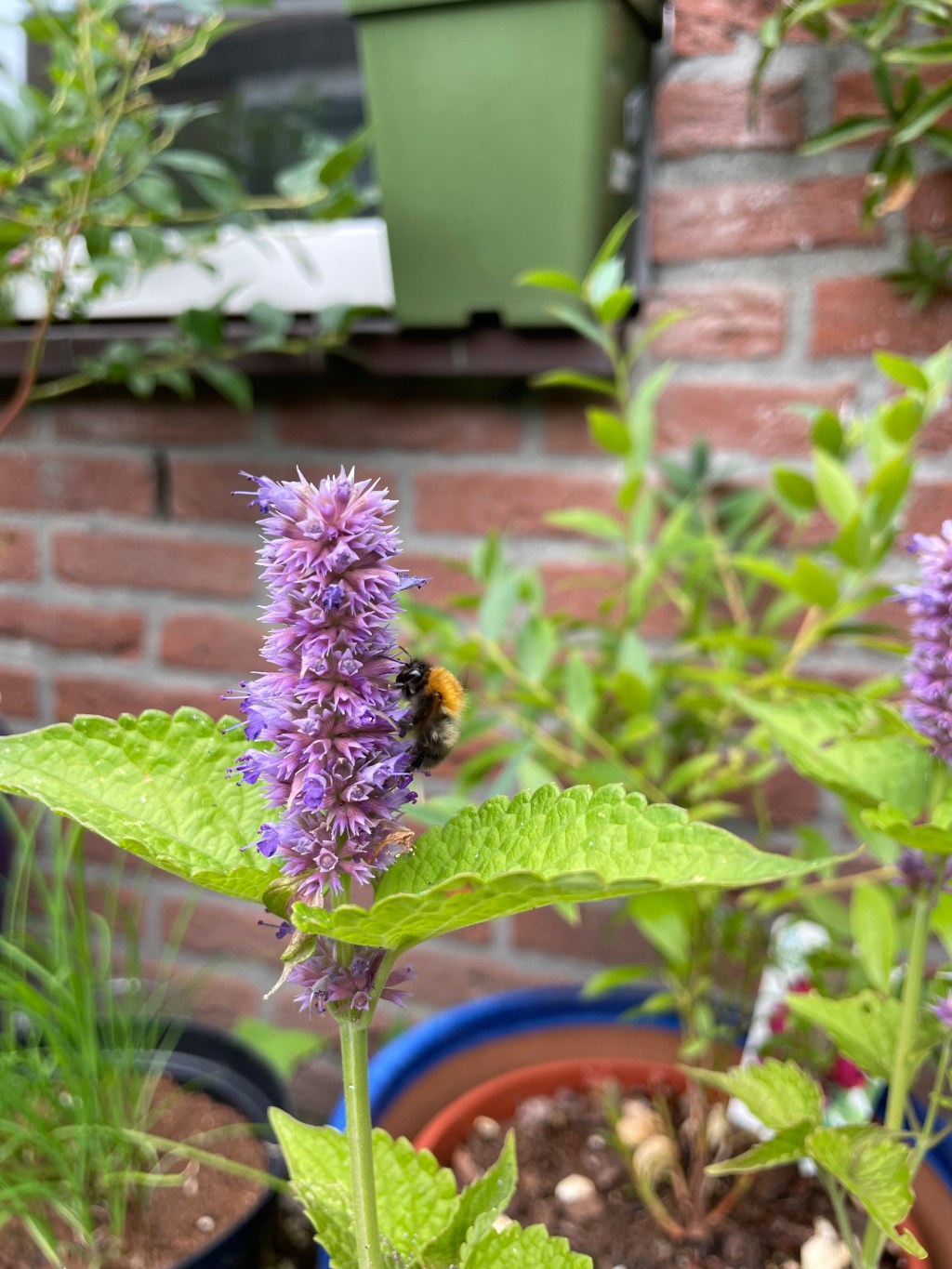
Sustainable gardening isn’t just for those with sprawling backyards, unlimited time, and a significant budget. Even in small spaces—balconies, patios, or compact gardens—you can grow greener and make a positive impact.
I am conscious about the environment. But with limited space, time, and budget at various points in my gardening journey, I have succumbed to unsustainable practices like plastic containers and high-maintenance exotic plants.
My 2025 resolution is to minimize such practices, aiming for an even greener garden.

Over the long holiday, I’ve done extensive research and compiled this list of 12 principles to guide the practice of sustainable gardening, especially in small spaces.
- Create Habitats For Creatures Within Your Space
- Grow (Mostly) Native Plants From Seeds
- Plant Edibles
- Repurpose Old Items as Planters and Supporters
- Grow Perennials
- Harvest Rainwater
- Plant Drought-Tolerant Varieties
- Use Organic Fertilizers
- Mulch to Conserve Moisture
- Repurpose Greywater
- Make Your Own Leaf Mould and Compost
- Swap, Share, and Recycle As Much as Possible
While some tips might require restructuring your space or adapting some new gardening philosophy (and messiness), others can be as straightforward as swapping one thing for another. And, in most cases, the changes will also save you time and money.
Create Habitats For Creatures Within Your Space
A sustainable garden should be a sanctuary for not only you and your family but the wildlife around us. Creating habitats for other creatures within your space would, in turn, help your garden stay healthy and productive. We are all in it together.

Harbouring more wildlife could mean:
- make a hole in the fence so that little creatures can get in and through your garden (rather than walking on the road and getting hurt)
- leave a pile of sticks or stones in a corner of your garden where little creatures can take refuge away from their predators or the harshest of weather
- provide some water source: If you don’t have room (and time) for a pond, there are small watering features that you can, for example, mount to a wall. It can also be as simple as a water dish for a thirsty bee.
- grow as much wildlife food as possible throughout the year, from selecting early and late flowering plants for pollinators to leaving some flowers to seeds for little birds.
Grow (Mostly) Native Plants From Seeds
Native plants thrive with minimal care and attract local wildlife like bees and butterflies.
Growing native plants from seeds also means not buying seedlings in little plastic pots that are hard to reuse and don’t decompose. (There are other arguments about growing from seeds, like plant health and adaptability to your space, but that is for another post.)
Admittedly, not all plants can be grown easily from seeds, and not all plants you want are native species. I am terribly guilty of the latter because I love to have Thai basil and bird’s eye chilli while living in a cold temperate climate.
However, if growing native plants from seeds is an easy enough option, it should be a no-brainer. Also, experiment with alternatives in your cooking to use more of whatever is available locally rather than having to grow something so different that, for example, they have to stay indoors under LED lamps for most of the year.
Plant Edibles
Make the most of your space by growing vegetables, fruits, and herbs you can eat (or make tea with).
Firstly, many things taste much better straight from your garden into your kitchen (or mouth).
Take raspberries, for example. They are heavenly when fresh from the thorny canes. Raspberries from the chilled section of my local supermarket are no comparison.
Secondly, regarding sustainability, edibles from your garden generally have a lower carbon footprint. The said packaged raspberries might have travelled a long way to reach my local supermarket. They require fridge power to stay “fresh-ish”, come in single-use plastic boxes, and are often half wasted as the fragile fruits are very easily damaged. None of those applies to the ones from our garden.
Admittedly, it is often unrealistic for most of us to grow everything we want to eat and need in our kitchen. This is particularly true for city gardeners like me.
So, I keep a list of raspberry-like edibles (fragile produce coming in plastic wrap) and just focus on them instead of growing things like potatoes. (I’ve tried potatoes before because the idea of potatoes in a grow bag was just too cute to ignore. But it becomes obvious that growing potatoes is not sustainable for my gardening space).
Repurpose Old Items as Planters and Supporters
Turn old cans, buckets, or wooden crates into unique, upcycled planters or structures to lift your containers off the ground.
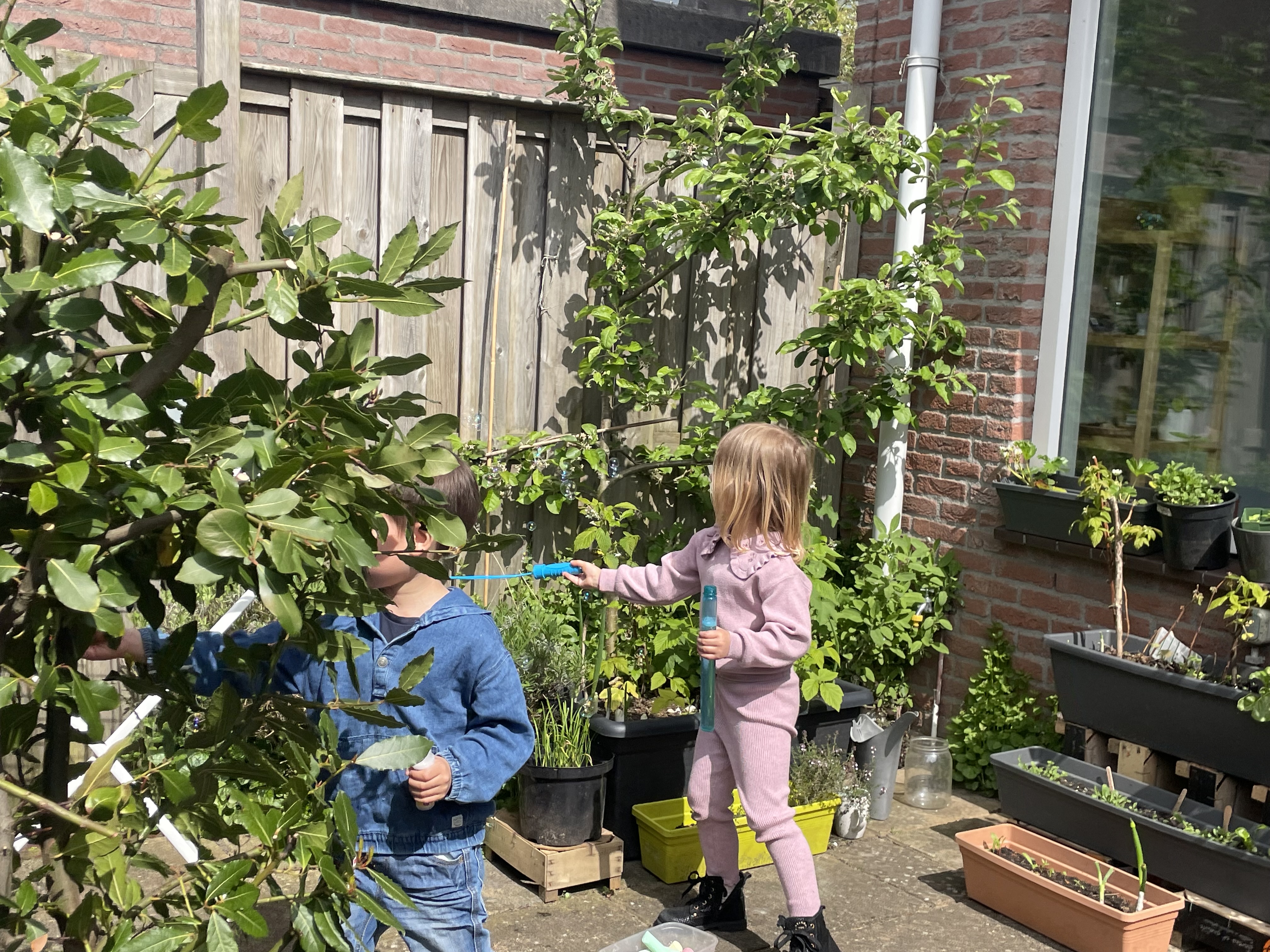
I also wash and keep all the wooden ice cream sticks to use as plant tags.
Grow Perennials
Perennials like lavender and chives return year after year, reducing the need to buy seedlings in often single-use plastic pots.
This year, I want to try my hand at perennial vegetables to keep my plot productive (and my soil aerated) during the winter months.
Harvest Rainwater
Set up a small rain barrel or place containers outside to collect rainwater for watering your plants.
If you are enjoying this post, you might also appreciate our FREE cheat sheet with 12 Tested Gardening Ideas for Small Spaces.
Provide your info for a link to the downloadable resource and be opted into our email list for the (very) occasional product promotion.


Plant Drought-Tolerant Varieties
Drought-resistant plants like hardy herbs (e.g., rosemary or thyme) require less water and maintenance.
Use Organic Fertilizers
Skip chemical fertilizers and opt for compost tea, banana peels, or coffee grounds to nourish plants naturally.
Mulch to Conserve Moisture
A layer of organic matter, such as wood chips, straw, or compost, keeps the soil moist and reduces water use.
Repurpose Greywater
Reuse water from rinsing veggies to hydrate your plants.
Make Your Own Leaf Mould and Compost
Even small spaces can accommodate a couple of bags to collect leaves to make leaf mould. Some compost bins or a worm composting system might be just compact enough for your gardening spaces.
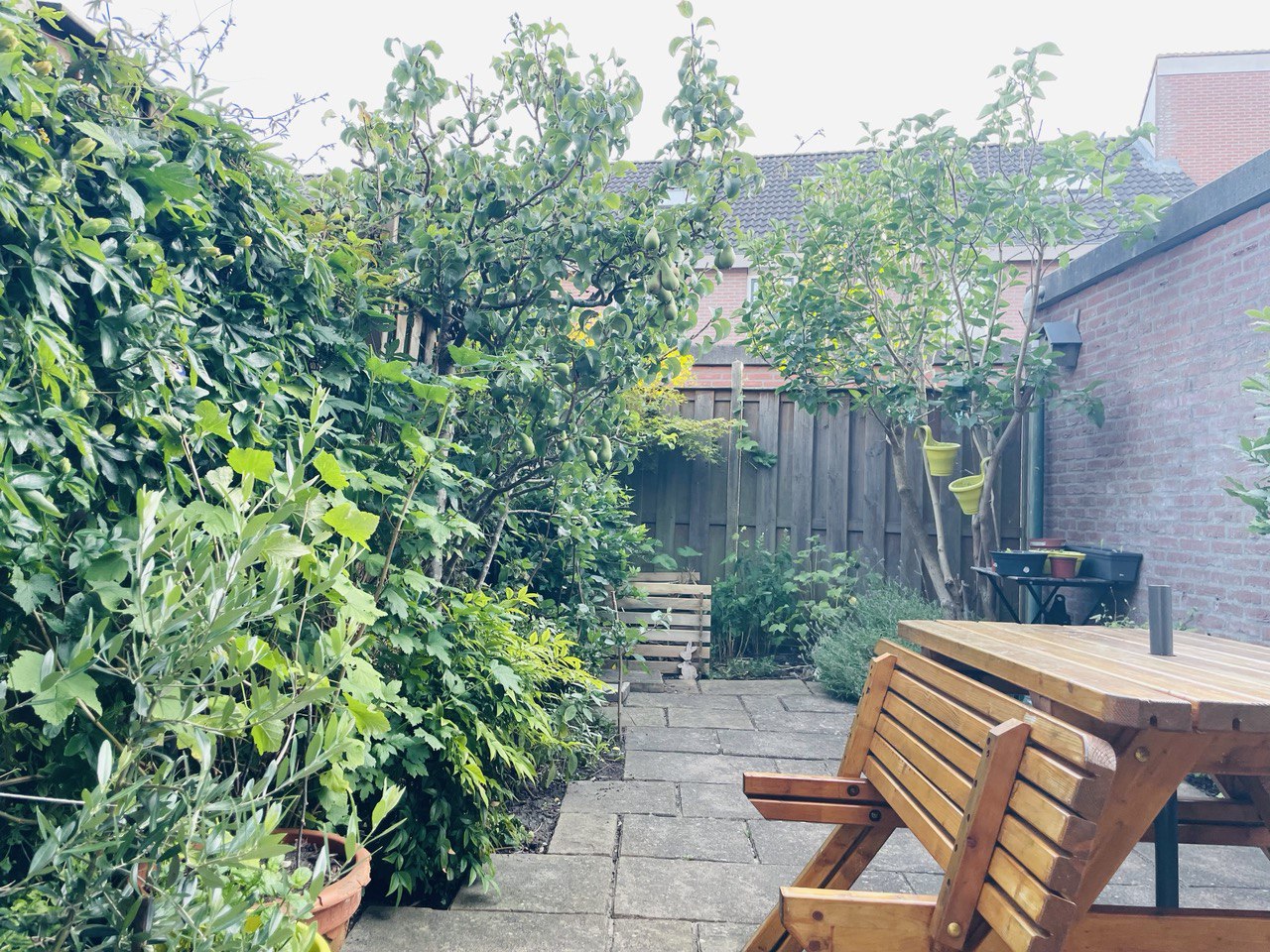
Having your own compost saves you from buying and having such nutritional materials transported to your doorstep. Sometimes, they travel much further than gardeners are aware of.
Swap, Share, and Recycle As Much as Possible
Before buying anything new, like a young tree or a new hanging basket, from a garden centre, consider their footprint: how far it might have travelled and the resources needed to make it. Most importantly, could you swap, share, or recycle locally instead?
I know the temptation of simply picking up a beautiful flowering plant as you walk around a nursery. It could brighten your garden as soon as you get home. But do stop and think.
It would be a lot more sustainable if you could grow plants from seeds saved from last year’s harvest or a cutting from a neighbour. As for planters, try to source second-hand containers to extend their lifespan.
 Grow More With Less
Leave a comment