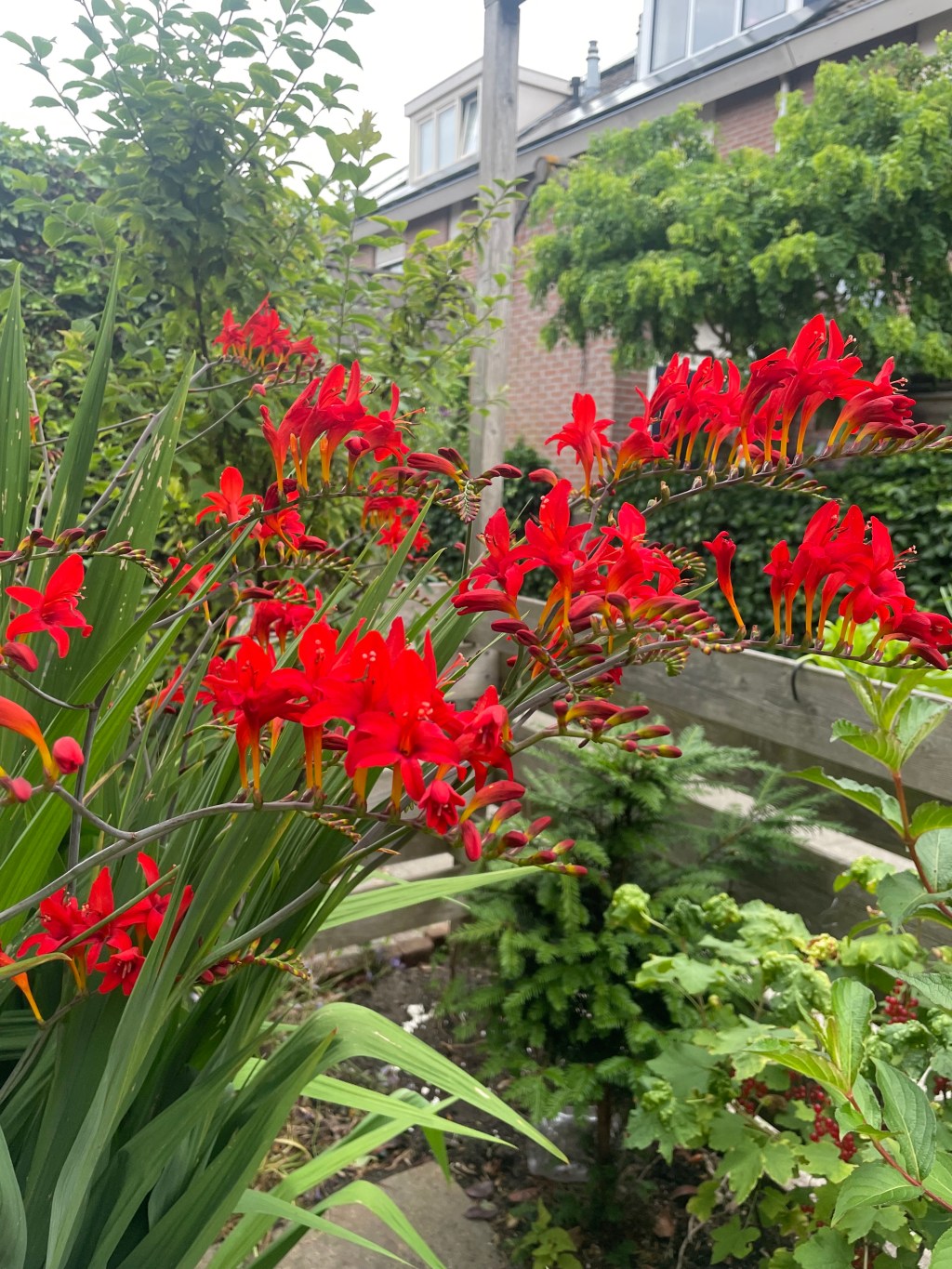
When you inherit a garden, it can be overwhelming.
Your eyes catch plants that you don’t recognize or that you do recognize but you are not a fan of.
An inherited garden often shows signs of neglect, such as overgrown bushes or saggy ground cover, especially if the transition period has been long.
But the redesigning process can be exciting and rewarding as you turn a gardening space you inherit into your own.

This framework will guide you through such a redesigning process, covering the steps you can take and the dos and don’ts.
- Identify the Elements in the Space You Inherit
- Work Out How To Incorporate Your Gardening Ideas into The Current Space
- Make a List of “Keep, Move, or Remove”
- Adopt a Practical Mindset for the Transformation
Most of the time, redesigning an inherited garden is NOT about starting over; it’s about working with what’s there to create something that reflects your styles and ideas.
Identify the Elements in the Space You Inherit
Understanding what you’re working with is a crucial step to succeed in making the inherited garden yours.
Take the time to carefully examine every aspect of the space: the soil, the plants, the structures, the sun vs. shade, and the accessibility.
Check the Soil
The soil is the foundation of any garden, and its condition will directly impact what you can grow.
Here are steps to understand and improve your soil:
- Identify soil type: Plants have their own references for the soil they would thrive, so you would ideally want to know your soil before picking any new plant. Most soils fall into one of these categories:
- clay (dense and water-retentive),
- sandy (quick-draining but poor in nutrients),
- chalky (stony and alkaline), or
- loam (a balanced mix of sand, silt, and clay, ideal for most plants).
- Test water retention: Does the soil in your new garden retain the water well? If not, you might need to water your plants more frequently during a dry, hot summer. If it’s the other way around, If not, you might need to water the garden more frequently during a dry, hot summer. If it’s the other way around, pick plants that can withstand some wetness. (This post covers how to measure your soil’s water retention.)
- Check soil health: Dig up a small patch of soil and observe its texture and smell. Healthy soil should be crumbly, dark, and have a rich, earthy aroma. If you see insects scurrying and winding in and out of soil, it’s often a good sight, as bio-diverse soil is generally a good home for plants.
- Amend your soil: If your soil is not healthy or doesn’t have the desired level of water retention, you can look into improving it with organic matter and worms.
Inventory the Plants
The plants that are already in place could be treasures to build upon or obstacles to overcome.
You would want to do a garden inventory of the inherited trees, shrubs, climbers, and perennial ground covers. (If you haven’t got a gardening journal for inventory, grab one from our stores with Amazon or Gumroad.)
As you note down the new plants in your possessions, categorise them into healthy and desirable plants versus invasive or poorly placed ones. If you don’t recognise a plant, use a plant identification app or ask a neighbour.
Though many good apps would help you identify a plant correctly, I always prefer asking my next-door neighbour. She knows not only the name of most plants in my garden but also their age and, in some cases, their history, which is super interesting to learn.
Plant inventory requires patience. The common advice is to wait and take note over a year (or at least one active growing season) to ensure you see all the plants growing in your inherited garden.
Sometimes, the temptation of ripping out the entire plot of plants (to create more space) is high, but do resist. You might find plenty of “diamonds in the rough” hiding within your inherited garden if you take the time to get to know it. It is also wasteful to get rid of a handful of plants only to buy new ones again later (once you realise they are the best for your space).
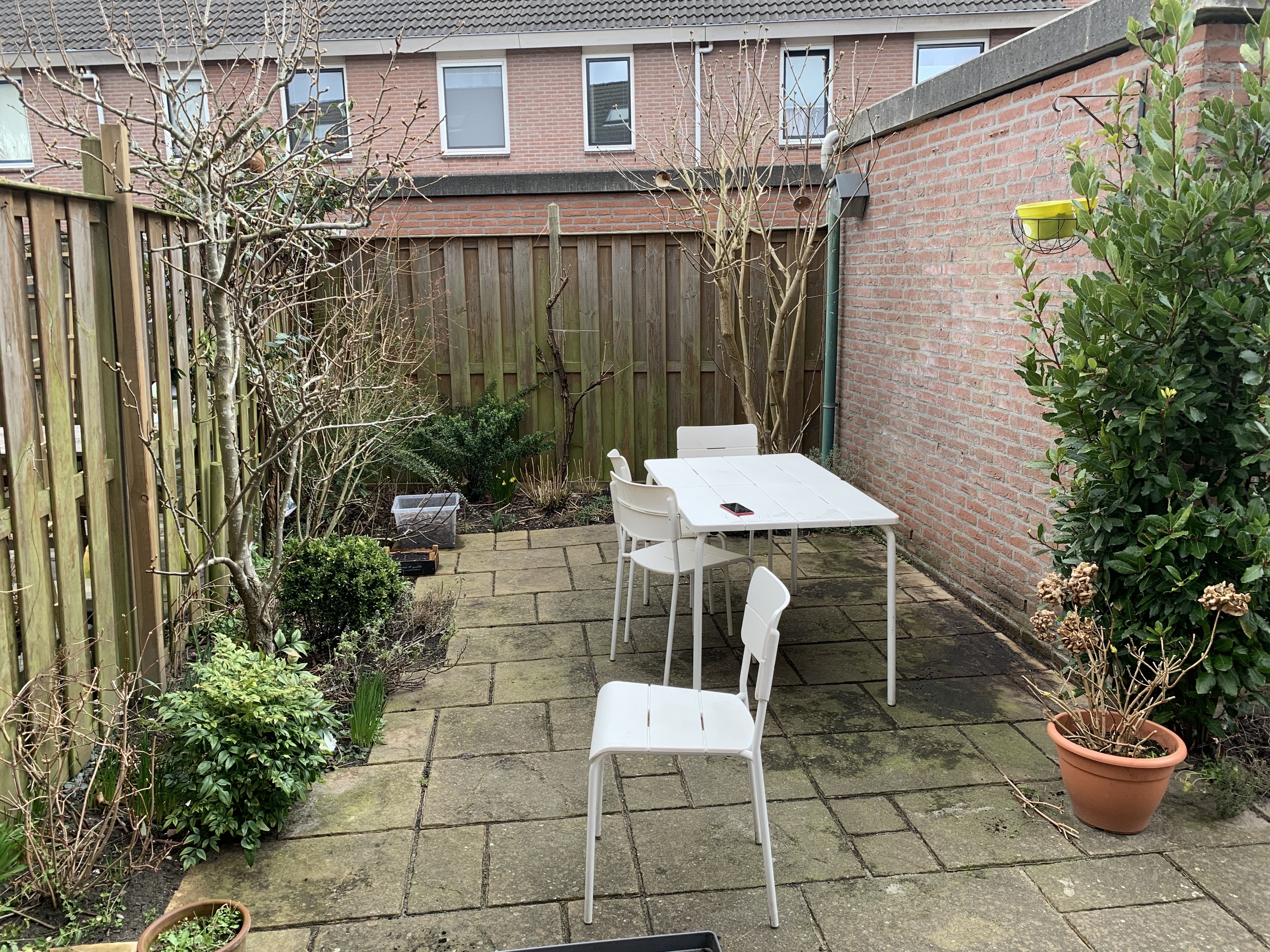

This back garden transformed significantly in four months, from March to July. Imagine what mistakes I would have made on my new garden layout and new plant purchase if I hadn’t seen this kind of transition first.
Note that taking inventory over a year doesn’t mean we can’t do anything during those 12 months. It is more about making gradual changes with the ones that we are certain about and delaying the rest.
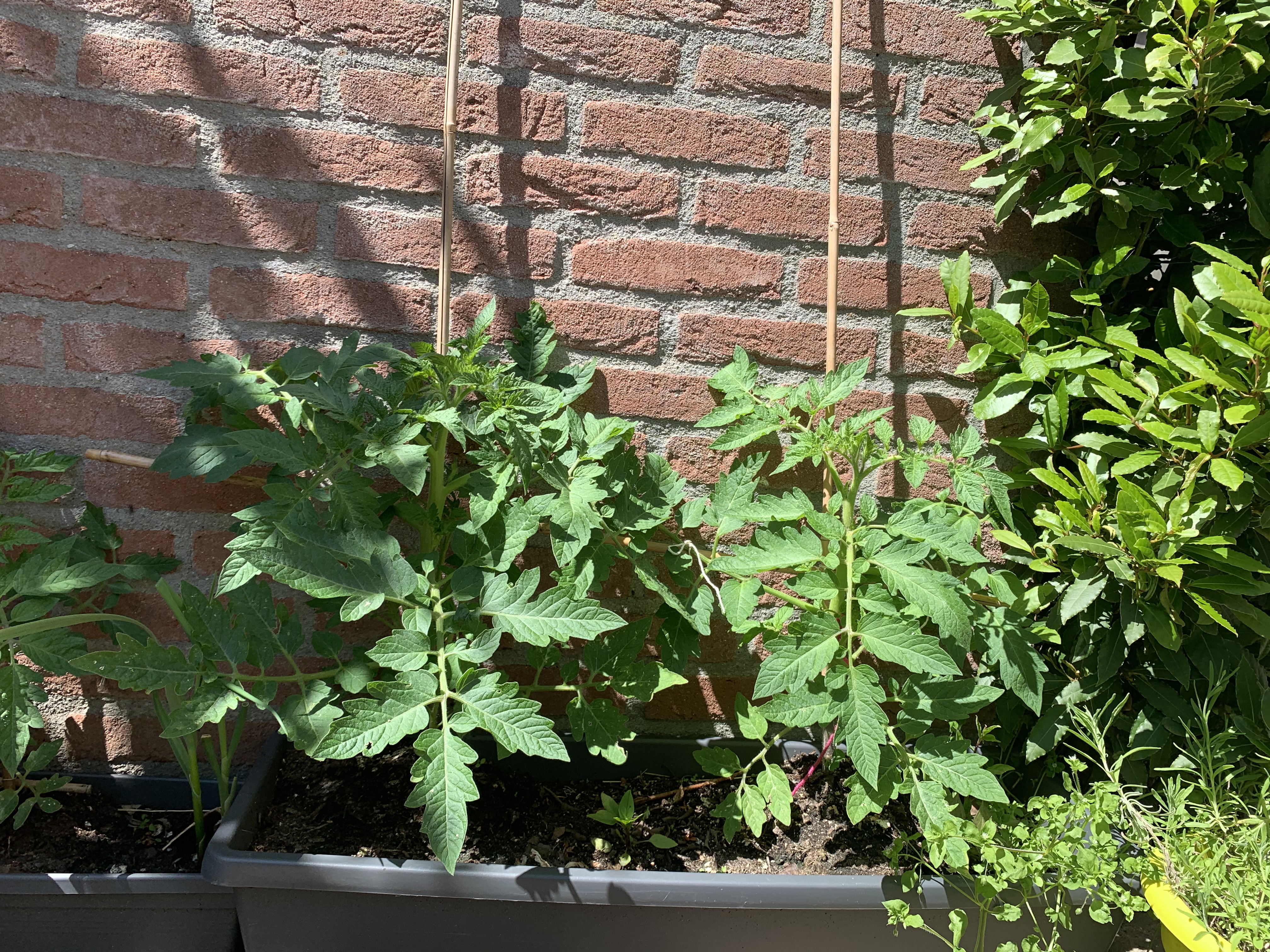
During the first growing season in the current garden that I inherited from the previous owner, I used containers for all the new plants while waiting to find out what was already planted in the ground.
Assess Structures
Check the condition and utility of existing elements like paths, fences, or pergolas. Note them down for the transformation plan.
Understanding Sun vs. Shade Patterns
Knowing the sunny and shady areas in your newly inherited garden would help you pick the right plants for the right place.
The direction of your garden, like south or north, gives you a general idea of how sunny (or not sunny) it could be. However, the actual sun vs. shade areas in your garden depends also on other factors, such as
- big trees in or near your garden?
- structures like a shed or a pergola?
To map out the sunny and shady areas correctly, you might want to observe your garden at different times of the day during, ideally, both spring and summer months.
The following things also affect the level of shade in your garden at a specific moment:
- Depending on the time of year, the sun might be lower or higher in the sky, causing the shadows from big structures and trees to vary.
- Many deciduous trees do not have leaves from late autumn to early spring, allowing more sunlight into the area that would have been shaded during the other half of the year.
Accessibility
Lastly, consider how accessible your garden is for large projects. If heavy equipment or materials cannot access it, your renovation options may be limited.
Work Out How To Incorporate Your Gardening Ideas into The Current Space
Before you make changes, map out what you want from your new garden.
How do you want to use your gardening space?
- Would your garden be a productive plot focusing on editable plants?
- Would it be a show garden designed for beauty?
- Is biodiversity your top priority for this garden?
- Would your garden be an outdoor place for entertaining guests or a sanctuary saved for you and your family?
- Do you want/need a play area for children in the garden?
- What else might you want to do in the garden other than gardening?
- Would you like to cook food and eat many meals in the garden?
Though some wants and needs are more important than others, it’s helpful to list all the possible functions of your garden.
Doing this exercise before deciding on the garden layout means you can leave room for possibilities rather than using up all the space for plants.
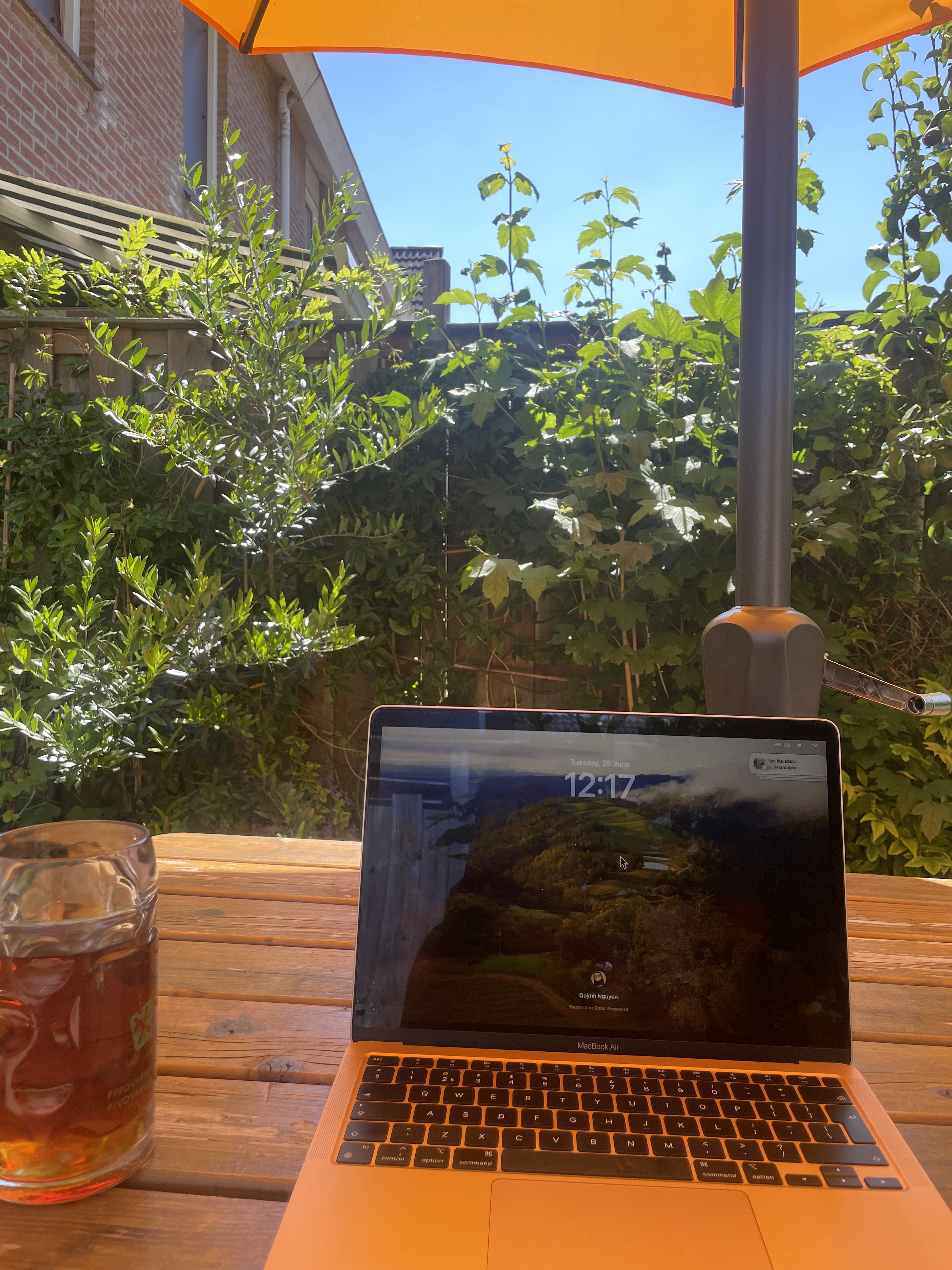
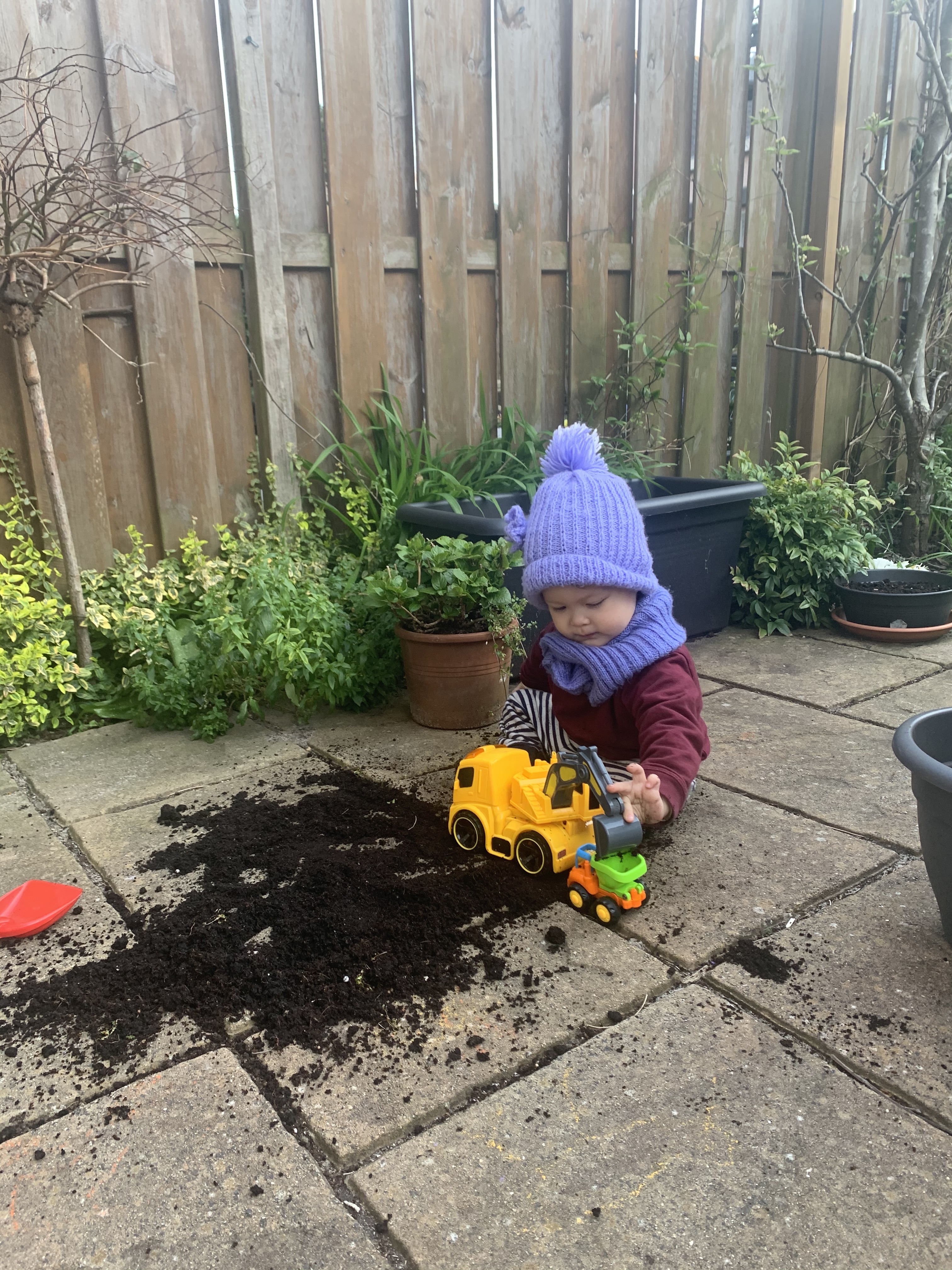
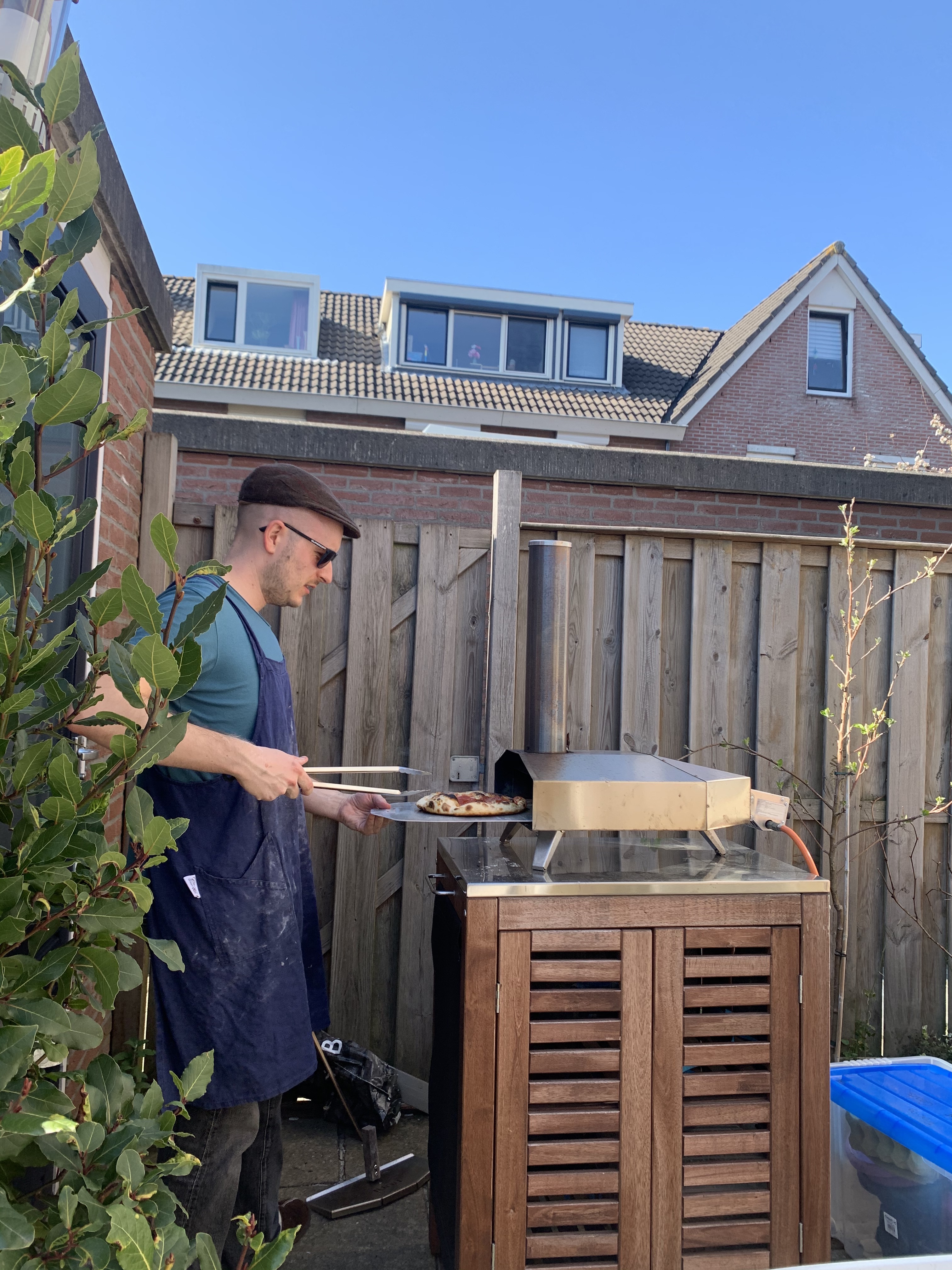
I want to have as many plants as I can care for. Yet, as a family, we also want to use the garden as an office with a view, an outdoor play area, an extension to our kitchen, and a place to wine and dine the best of guests 😜.

So, I had to keep the tiny fenced area at the back of our house mostly tiled as the previous owner left it so we could also play, work, cook and eat out there.
Yet, through the years, I have made changes to maximise the space for growing food. Those adjustments have been for
- extending old borders and creating new borders here and there to add cooking herbs and edible berries
- increasing the productivity of sunny areas by creating tiers and going up (vertically) for edible vines, perennial fruit bushes, and annual vegetables
- utilising places with hanging baskets for growing more herbs and microgreens
- swapping out (in moderation) ornament plants for editable plants
The new focus of this blog on growing more with less has also stemmed from this need (or want) to have more plants despite the space limit.
If, unlike me, your wanting for your new garden requires significant changes made to the inherited place, it is good to start with the must-do hardscaping, like a pond for wildlife, a decent-sized raised bed for growing vegetables, or a spacious seating area for entertaining guests.
Then, go through the rest of your ideas and stay adaptive.
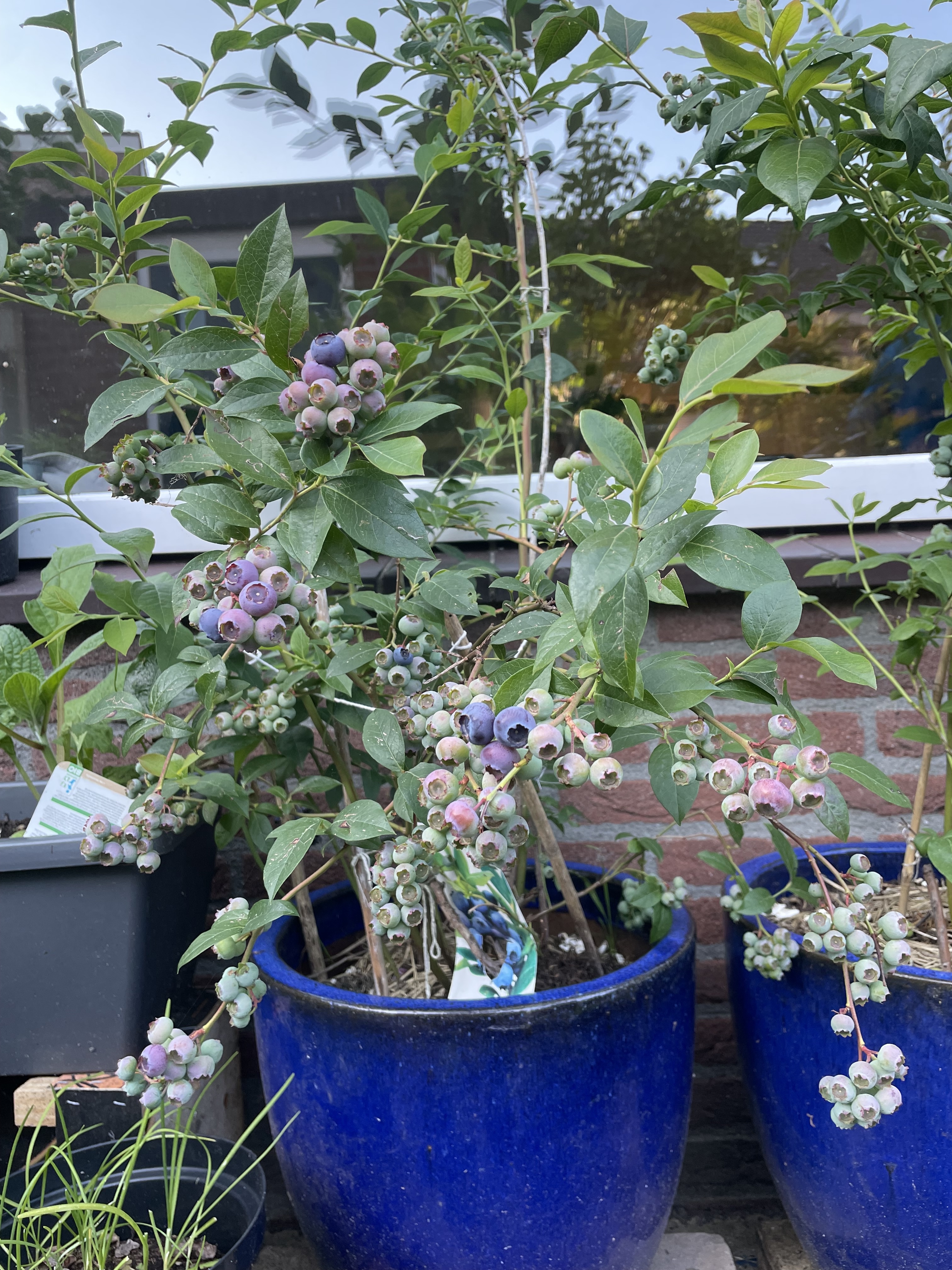
For example, you love to have blueberry bushes, but your soil is alkaline. Then, you either let go of the blue dreams or make room for big containers, which you can fill with the acidic compost that blueberry plants love.
Make a List of “Keep, Move, or Remove”
Transforming a garden involves making tough choices about what stays and what goes.
Divide the existing elements into Keep, Move, or Remove.
- Keep anything that aligns with your transformation plan—such as healthy plants and functional structures.
- Move elements that could serve you better in a different location, like shrubs that could thrive elsewhere or garden furniture blocking key pathways.
- Remove anything that doesn’t fit, such as plants you are not in love with, to make room for plants you do love.
Here are some tips for deciding what is to be kept, moved or removed:
- Be ruthless: Remove invasive plants and ones that don’t fit your care ability, even if they’re thriving. For example, roses are pretty, but I have neither the time nor patience for them, so I removed both rose bushes inherited from the previous owner.
- Think creatively: Must you remove a struggling plant, or would it thrive in a different spot? Could I regain a prime spot in the garden by moving a standard evergreen bush originally there to somewhere else?
- Reuse resources: Salvage materials like bricks, stones, or wood for new garden features.
Though it might sound straightforward, ruthlessly removing plants is hard (at least for the type of gardeners like me). Finding a new home for a plant that you dig out of the ground would make the job easier. I often reach out on Facebook Groups to find people in the neighbourhood who might want a plant that no longer fits my garden.
If you are enjoying this post, you might also appreciate our FREE cheat sheet with 12 Tested Gardening Ideas for Small Spaces.
Provide your info for a link to the downloadable resource and be opted into our email list for the (very) occasional product promotion.


Adopt a Practical Mindset for the Transformation
Your mindset matters as much as your gardening skills in the redesigning process.
- Be patient. A garden doesn’t transform overnight; plants need time to settle and thrive.
- Be flexible. Nature is unpredictable: plants might die for no obvious reason, and weather might throw your plans off track. Be ready to adjust along the way.
- Stay curious: View setbacks as opportunities to deepen your gardening knowledge.
 Grow More With Less
Leave a comment