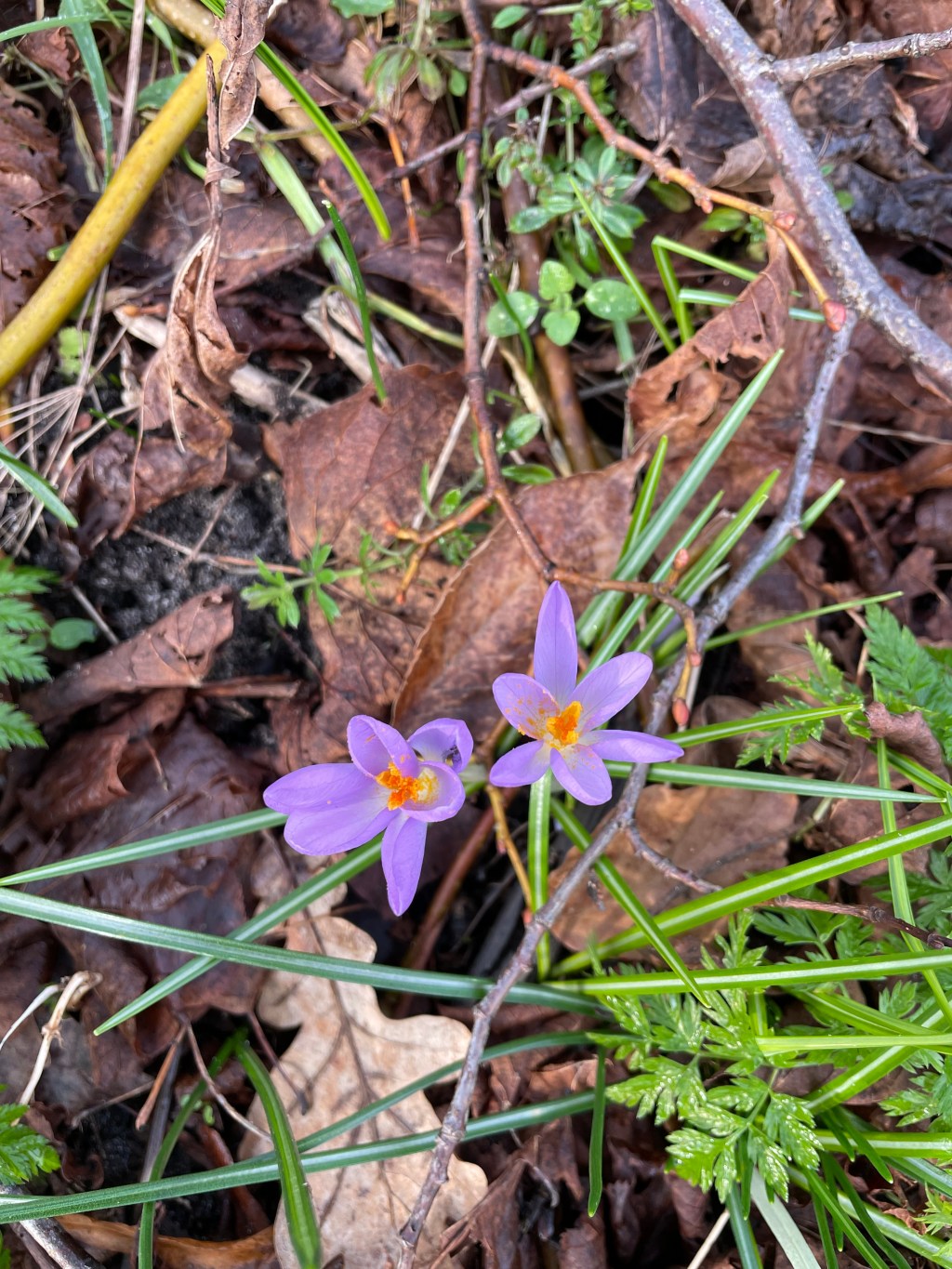
You are not alone if you get plant-impatient and have a seed itch as soon as February arrives.
January can be a busy time for many people, kicking off the new year, building the foundation for whichever changes you aspire to, or recovering from all the family and social obligations during the big holiday. (In my case this year, it has been weeks of fever, cough, and sleep deprivation.)
But now it is February. The days increase their lengths. So does the yearning to see new growth in the garden. If granted a few sunny days, it would feel that any delay in planting is simply impossible.
Yet, rushing to sow seeds in February (even indoors) would often lead to setbacks —wasted seeds, stressed plants, and disappointing harvests.
It is better to wait for a proper start later in the year, especially if you have limited gardening space.
I know it is harder said than done. I have repeatedly made these so-called February mistakes and paid the price.
So let you take off the gardening gloves you’ve just put on, get back in the house to make a cup of tea, and read on how to avoid making such mistakes.
Sowing Seeds Too Early
From February, gardens with a milder microclimate across the UK (and the Netherlands) could become hospitable again for certain seeds to sprout (especially under clothes).
You will find that many reliable sources approve and even encourage starting early, with hardy legumes and leafy greens like broad bean, sweet pea, chard, and spinach, at some point during February.
However, as the weather patterns have become increasingly erratic while northwestern Europe winter seems to start (and finish) a bit later in the last few years, newly sprouted plants are more at risk of being stunted or killed during unpredictable cold spells.
February warm spells are arguably much worse for gardening as they give a false sense of hope and security. We gardeners rush out there and throw down some seeds without realising that the soil has not yet warmed up. Then, a sudden cold snap can set plants back weeks.
Such a setback is especially counterproductive in small gardens where every inch of the ground counts. Suppose the few spots you save for broad beans are occupied by not-so-healthy ones you sow in February. In that case, you don’t get a second chance later in March and April when the weather is warmer and more predictable.
On the surface, indoor planting in February doesn’t have the same problem of unpredictable weather as outdoor planting. Yet, further along the growing season, early indoor planting might result in similar wasted opportunities if your growing space is limited.
When you have a sunny window sill, bringing out the seed trays as soon as the sun returns in February is tempting. Indoors, the seedlings have a much better chance to start off healthily. Yet, unless you have multiple sunny window sills, it would come the time to move the seedlings outside to make room for the next sowing frenzy.
This is when I used to run into trouble.
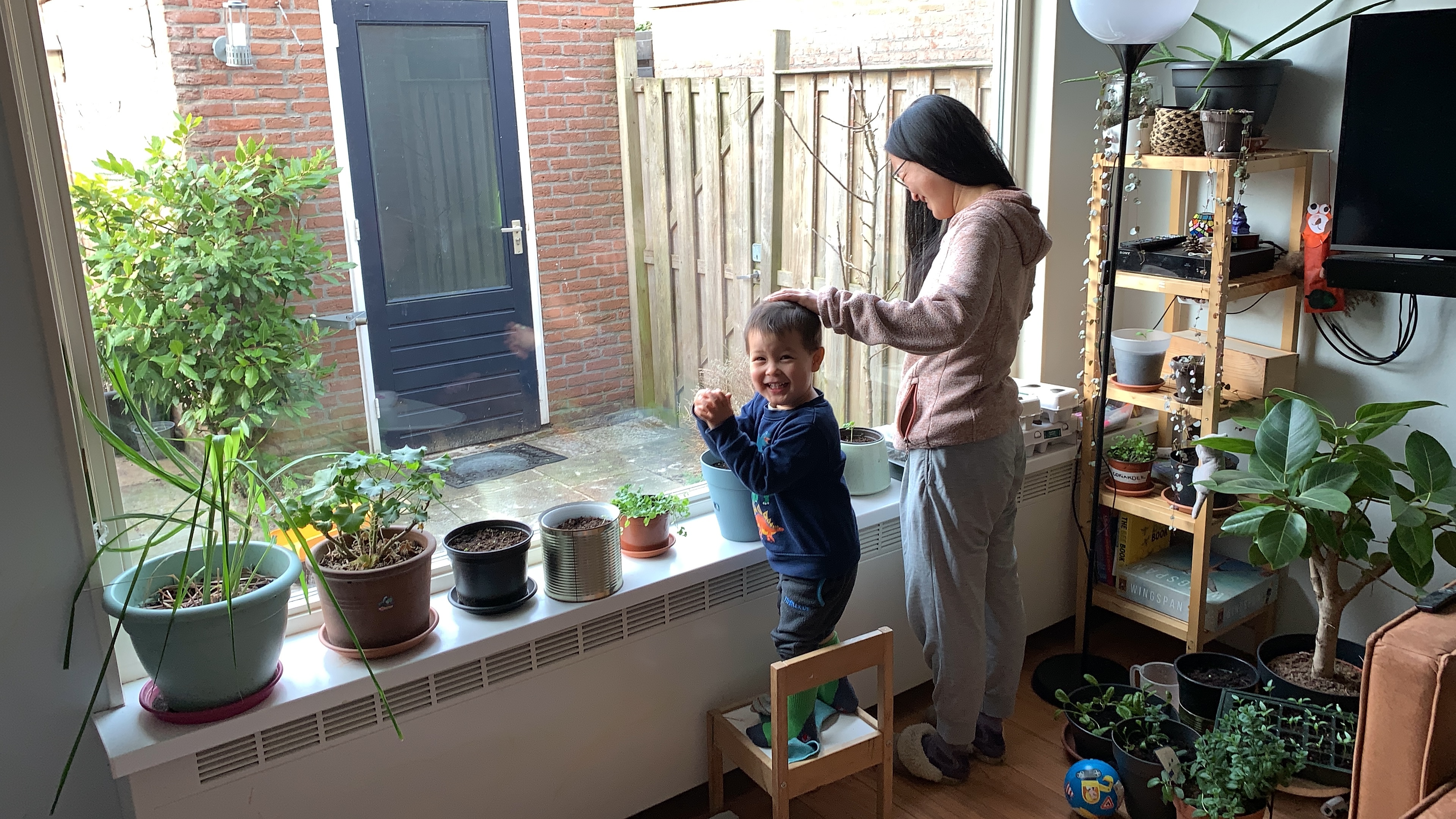
My seedlings outgrew the small window-sized pots and were ready to spread their roots outside long before the temperature outside reached the survival level for such seedlings. In other words, I had sown the seeds way too early. So, I couldn’t move on to the next batch, which would benefit from longer hours of sunlight.
So here are the lessons that I have learned from rushing to sow seeds in February:
- Before sowing seeds outdoors, check soil temperature with a simple thermometer. Cool-season crops like lettuce and peas can handle early planting, but heat-loving plants like tomatoes and peppers should wait until the risk of frost is gone.
- Before sowing seeds indoors, work out the rough amount of time, like 2 weeks or a month, that you can house the seed trays and the seedlings before they need to go outside to give space for the next batch. Check the general guide for the last frost in your area and work back to a more realistic time to start sowing. It could be as early as the guidebooks say or much later, depending on the seeds you pick and your indoor space.
So yes, because you can’t, it doesn’t mean you should.
It is often better to hold off sowing seeds to a much later date in small gardening spaces, in late March or even early April.
Finding it hard to stay idle? Do some cold weather gardening activities to get out there. If you ought to plant new (I know I do), maybe settle for young shrubs and vines. (This February, I am excited to put down a new jasmine shrub and a couple of raspberry canes)
Admittedly, not many things are more exciting for us gardeners than to see a new set of leaves sprouting from a seedling in February. But sometimes, patience is necessary for a healthy crop of edibles or beautiful flowering annuals further down the line.
Skipping Soil Preparation
Neglecting soil health results in weak plants and poor harvests.
Winter’s harshness and the lack of activities in the soil often leads to nutrient depletion. Consequently, newly planted seedlings might struggle to thrive without the extra help.
You want to add a layer of organic mulch on the top of the soil or mixing aged manure before putting new seeds or seedlings in the ground. That way, the nutrients would be available for when they are needed by your new plants.
If you’re growing in containers, adding fresh compost to your container might help. (And once the growing has been established, you could boost it with organic fertilizer.)

Healthy soil helps plants to thrive, especially in containers, so make sure you take the time to prepare the soil ahead of the growing season.
Rushing To Move Seedlings Outside Without Hardening Off
Seedlings grown indoors need a gradual transition to outdoor conditions. Sudden exposure to wind, sun, and fluctuating temperatures can weaken or kill young plants.
Instead of rushing to move them out, you would want to slowly introduce seedlings to the outdoors in a process called hardening off.
- Start with a couple of hours a day in a sheltered spot in the afternoon when the air has warmed up a little
- Over the following few days, you can increase the seedlings’ exposure to the elements.
- Take them outside earlier in the morning to get used to the colder air.
- Increase the outdoor hours each day.
- Move them to a less sheltered spot if that is where you will keep them for the season.
- Eventually, after a week or 10 days, you can leave the seedlings outside overnight, but stay flexible, adjust your schedule, and protect your seedlings if frost is expected.
Remember, a little patience now could prevent weeks of struggling plants later.
If you are enjoying this post, you might also appreciate our FREE cheat sheet with 12 Tested Gardening Ideas for Small Spaces.
Provide your info for a link to the downloadable resource and be opted into our email list for the (very) occasional product promotion.


Not Pacing Your Planting
Planting everything at once can result in feast-or-famine cycles.
Eager gardeners can fall into the trap of starting too fast and ending up with an overwhelming early harvest followed by a mid-season lull.
Instead, you want to start moderately. Use succession planting (sowing small batches every few weeks) to keep crops coming all season long without overwhelming your garden in early spring. Timing your sowing is especially important in small gardens with limited productive ground.
The general advice is to sow a new batch of annuals like radish or basil every few weeks, depending on your consumption and the spare space in your garden. (I space out the sowing of tender plants according to hanging basket availability as I always have to keep them up high, away from the army of slugs lurking in the mostly shaded ground of my garden.)
Adding Too Many New Plants To Your Garden
I understand that there are so many plants you want to grow for beauty, food, or even medicine.
While winter-dreaming about the garden, I would gather a list of new plants I want to try growing the following spring. As the winter is long in the Netherlands, so is my list. Often in January, around my birthday, I would treat myself by ordering new seeds (my favourite kind of present). So, by February, I would have all these beautiful packages calling at me, seemingly begging to be on a seed tray or in the ground.
One problem: I often have many new seeds and little room for experiment.
A small garden like mine tends to have more plants than space. Designed well, though, the density of plants can give an impression of a bigger space while giving you more flowers to admire, herbs to brew tea, and fruits to eat. Yet, it can go the opposite way when the temptation of having new plants overrides the sense to slow down, do the research, and find the right plants for the right place that you have.
Yes, your enthusiasm to grow something different can lead to an overcrowded garden where too many plants compete for nutrients, water, and sunlight, leading to weaker plants and higher disease risk.
Here are some tips to try growing new types of plants without harming your current selection:
- slow down to find the right plant for the right place
- adopt one new type of plant at a time (or even a year)
- use vertical gardening techniques like trellises or wall planters to spread your new additions, giving plants enough room for better airflow, healthier growth, and higher yields.
 Grow More With Less
Leave a comment