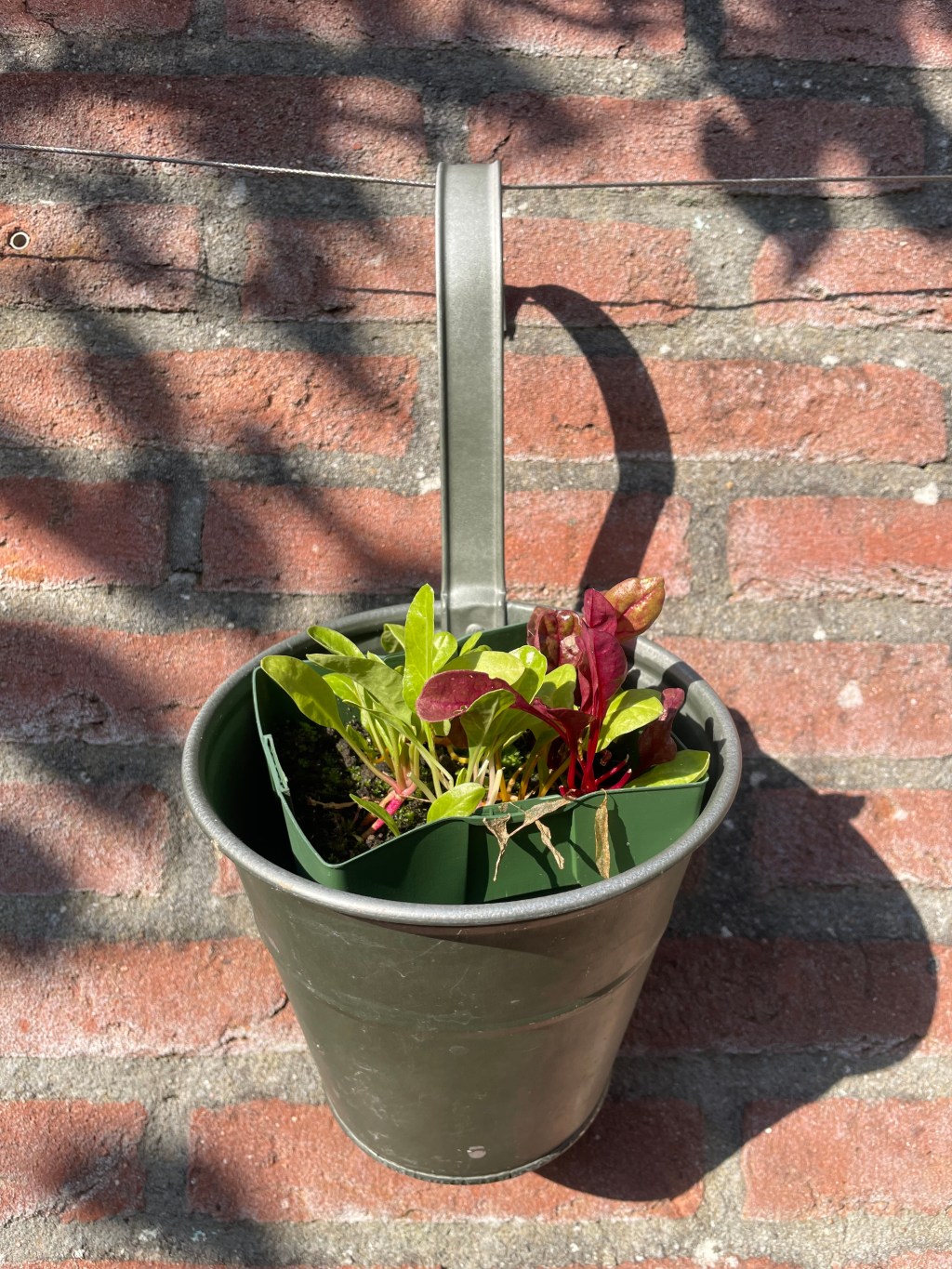
I find few things more delightful (and privileged) than picking fresh fruits, leafy greens, and aroma-filled herbs outside my back door.
Naturally, it has always been a kitchen garden for me, whether growing exotic herbs in a few balcony-sized containers or sending down more permanent roots into the little patch of soil I now call home.
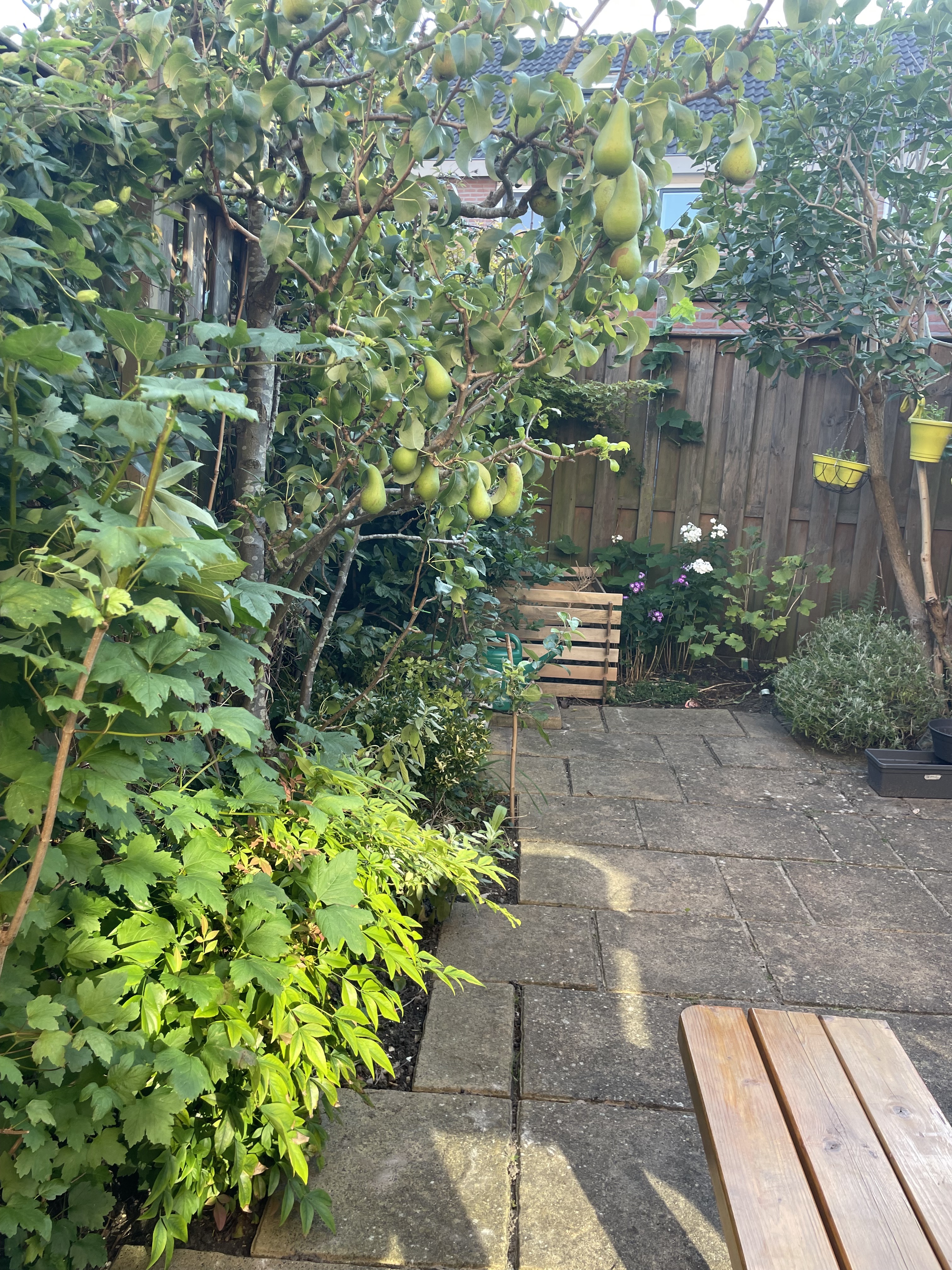
My current garden is small, with more shady spots than sunny ones. So, it has been challenging to produce decent harvests, especially for leafy vegetables and sun-loving fruits.
But then, no thicket is too thorny if the reward is juicy blackberries. So, here I am, rolling up my sleeves and working around the limitations.
I have learned some lessons along the way that I am sharing here if you also want a kitchen garden despite the space limit.
Limited Space Requires Smart Plant Choices
First, the hard truth: Not all edible plants suit a small garden.
Take pumpkin, for example.
I would love to grow pumpkins. We use their sweet flesh to enhance the flavours and goodness of our favourite lasagna, gnocchi, and mac&cheese. And the way the plant grows is full of life and beauty, with vibrant colours all over the ground.
I used to admire pumpkin patches in other allotments near ours. Yet, when we decided to give up the allotment (because of our limited time), I also had to give up on the pumpkin dream.
If anything, pumpkins are not for small gardening spaces.
The good news is many other plants are! They grow fine being packed into a rather crowded vegetable bed, a container, or even a small crack filled with good soil. In fact, with proper care, they will thrive and give you plentiful leaves and fruits for salad, soup, and stew.

(here, they thrive in the accidental gap between the outer wall of our shed and public path tiles)
The key is to choose wisely.
When space is tight, you focus on compact, high-yield plants.
- Herbs like basil, thyme, and parsley thrive in small containers.
- Leafy greens like spinach and chard regrow after cutting, meaning you need fewer plants (and less space to accommodate them).
- Dwarf varieties of tomatoes, peppers, and strawberries produce plenty without taking over your garden.
Also, prioritize what you use in your cooking rather than trying to grow everything that fits your space.
Last year, I sowed two batches of rockets because rockets are supposedly healthy, and one plant would provide a steady harvest of leaves for many months. Yet, our family ate the leaves so infrequently that all the plants grew old and intensely bitter. So, I will save the space for something else this year.
Lesson 1: Choose wisely for only the edibles that fit your gardening space and your kitchen. Not “either/or” but “both”.
Sunlight Can Be a Problem—But There Are Workarounds
A common challenge of growing vegetables and fruits in a small garden is shade.
Even in our southwest-facing garden at the back of the house, the shade is plentiful because of the proximity to the surrounding fence, a shed, and a couple of big trees.

Yet, there are strategies to work the balance of sun-shade in your garden to your advantage:
- Waste no sunny spots:
- Grow plants at one level or two up in places where the sun hits your garden, be it a vertical wall or spots between tree branches.
- Grow in containers that can follow the sun through the day or season if and when needed.
- Choose suitable plants for shady areas:
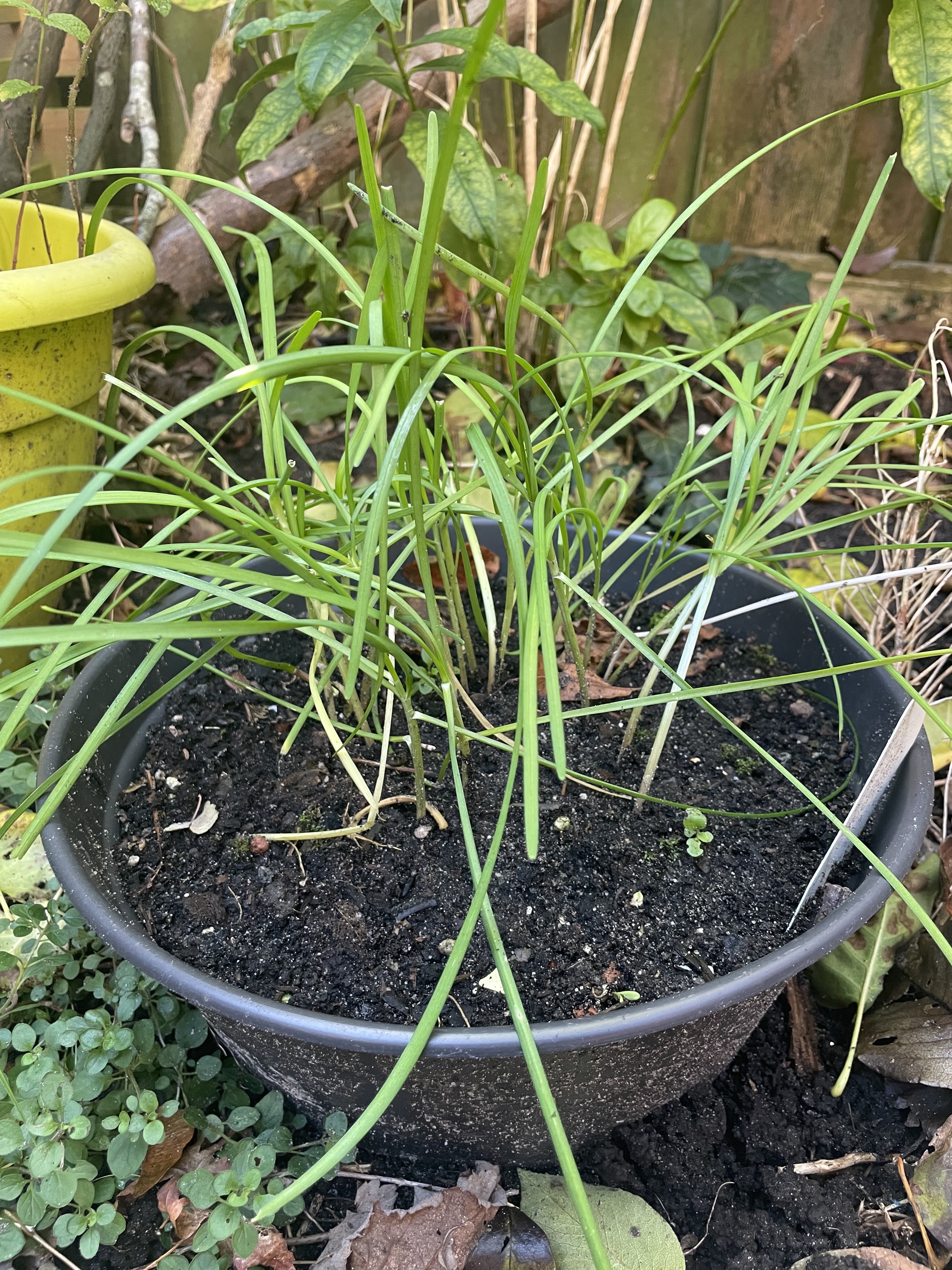
- Grow plants that thrive in partly shaded areas. The list of such plants might be longer than you think. (Here are a few I often have in my garden: spinach, Swiss chard, coriander, parsley, chive, carrot)
- Put in shady spots the edibles that don’t mind having less sun. This placement might mean such plants don’t grow as quickly or give as many fruits. However, if it is something you use only occasionally in the kitchen, then it should work, shouldn’t it? (I keep my thyme in the shade for that reason, and it has been working for me for the last five years)

Lesson 2: Creative solutions can bring more sunlight to your plants (or the other way around)

Watering Containers Can Be Time-Consuming But Manageable With the Right Tactics
Containers, big and small, are great friends of gardeners in small spaces. Yet, they have one drawback: containers can dry out quickly and tend to need more frequent watering.
Containers and raised beds drain faster than garden soil. On the one hand, quick drainage prevents the risk of root rots and enables more air circulation, benefiting a whole host of plants. On the other hand, potted plants dry out faster than ground plants (and too often before you realize it). Drought can cause severe stress to or even kill a plant. (Ironically, such a drought scenario dampens every summer holiday I took away from home.)
As the amount of pots increases (and the summer days get hotter), the watering task become increasingly daunting.
These strategies help make container watering more manageable:
- Group several plants into a bigger container (which dries out more slowly than smaller containers do).
- Add a layer of mulch on top of the soil to retain moisture.
- Opt for drought-tolerant alternatives for container growing
Lesson 3: Watering containers is time-consuming yet manageable with the right tactics.
If you are enjoying this post, you might also appreciate our FREE cheat sheet with 12 Tested Gardening Ideas for Small Spaces.
Provide your info for a link to the downloadable resource and be opted into our email list for the (very) occasional product promotion.


Soil Quality Can Be an Issue
Basically, you achieve more produce in less space by increasing the productivity of each unit of soil. This means working the soil a bit harder (and a lot smarter).
Consequently, the nutrients in the soil would be much sought after. If replenishing is slower than using, it will affect your harvests.
Here are things you can do to improve your soil quality (and suitability) on the ground and in containers:
- Add a layer of organic mulch on the top of the soil.
- Avoid frequent and unnecessary digging to promote beneficial lives in the soil.
- Mix your potting soil according to the plant’s needs to optimise the growing condition (rich loamy soil, heavy clay soil, light sandy soil, free-draining soil).
- Apply organic fertiliser during a plant’s active growing period, especially when grown in a container.
Lesson 4: Small space gardeners need to pay extra attention to improve soil health on the ground and in containers.
Sometimes, Water and Kitchen Scraps Are All You Need
Regrowing kitchen scraps in water can bring so much joy and steady produce while taking little or no gardening space.
All you need to start with is a glass of water and the vegetable ends that are otherwise destined for the compost bin.
Spring onion, lemongrass, lettuce, celery, beets, rosemary, and basil are some vegetables that would sprout roots in water from a piece of root ends or a short stem.
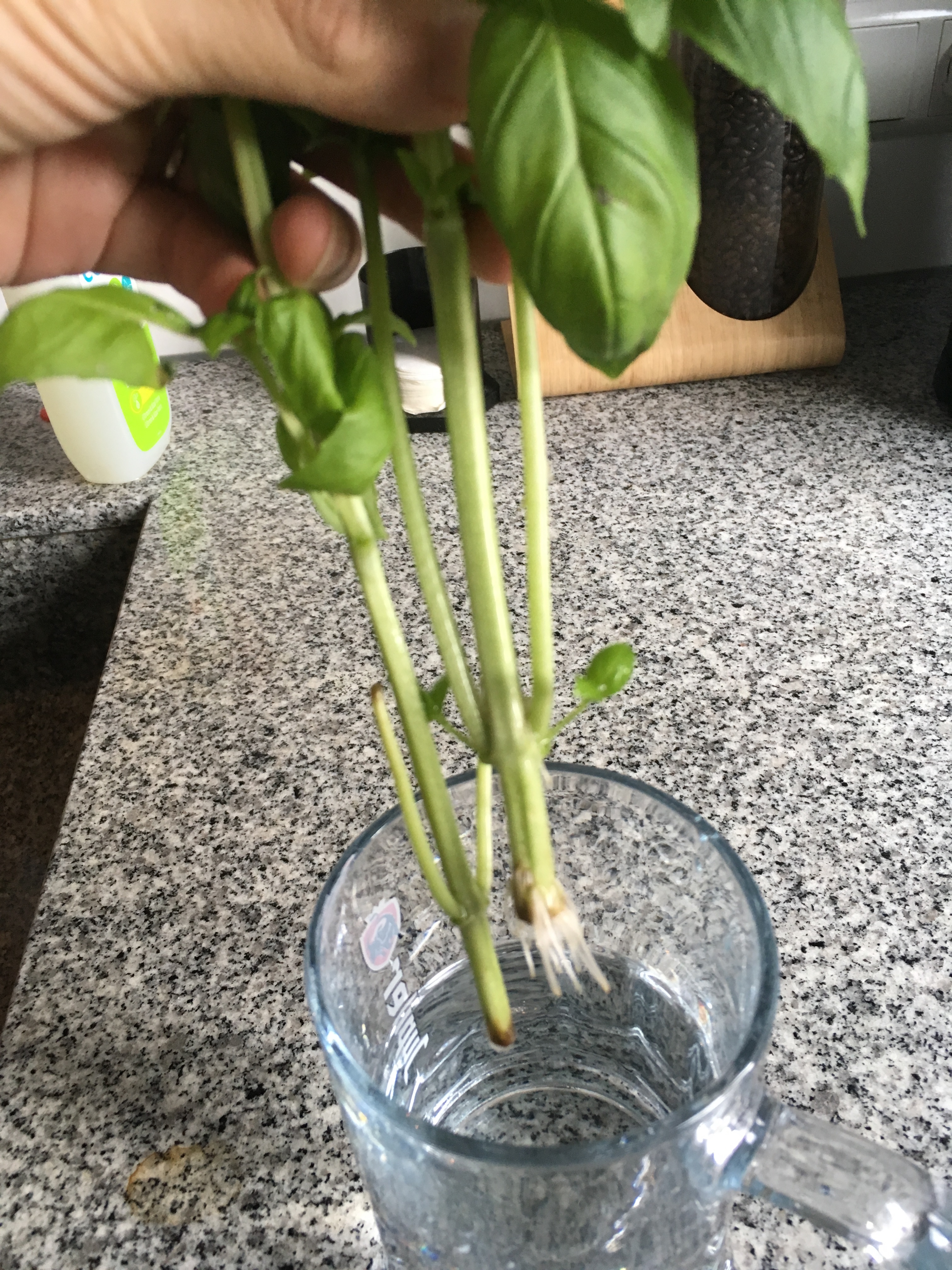
With compact vegetables like spring onion or lettuce, you can keep growing them in a jar of water and harvest the new growth as it emerges.
Alternatively, you can move the “kitchen scraps” into the soil when you see sufficient roots. The room to spread the roots and the extra nutrients from the soil enables the new plants to grow bigger and prolong the production of leaves.
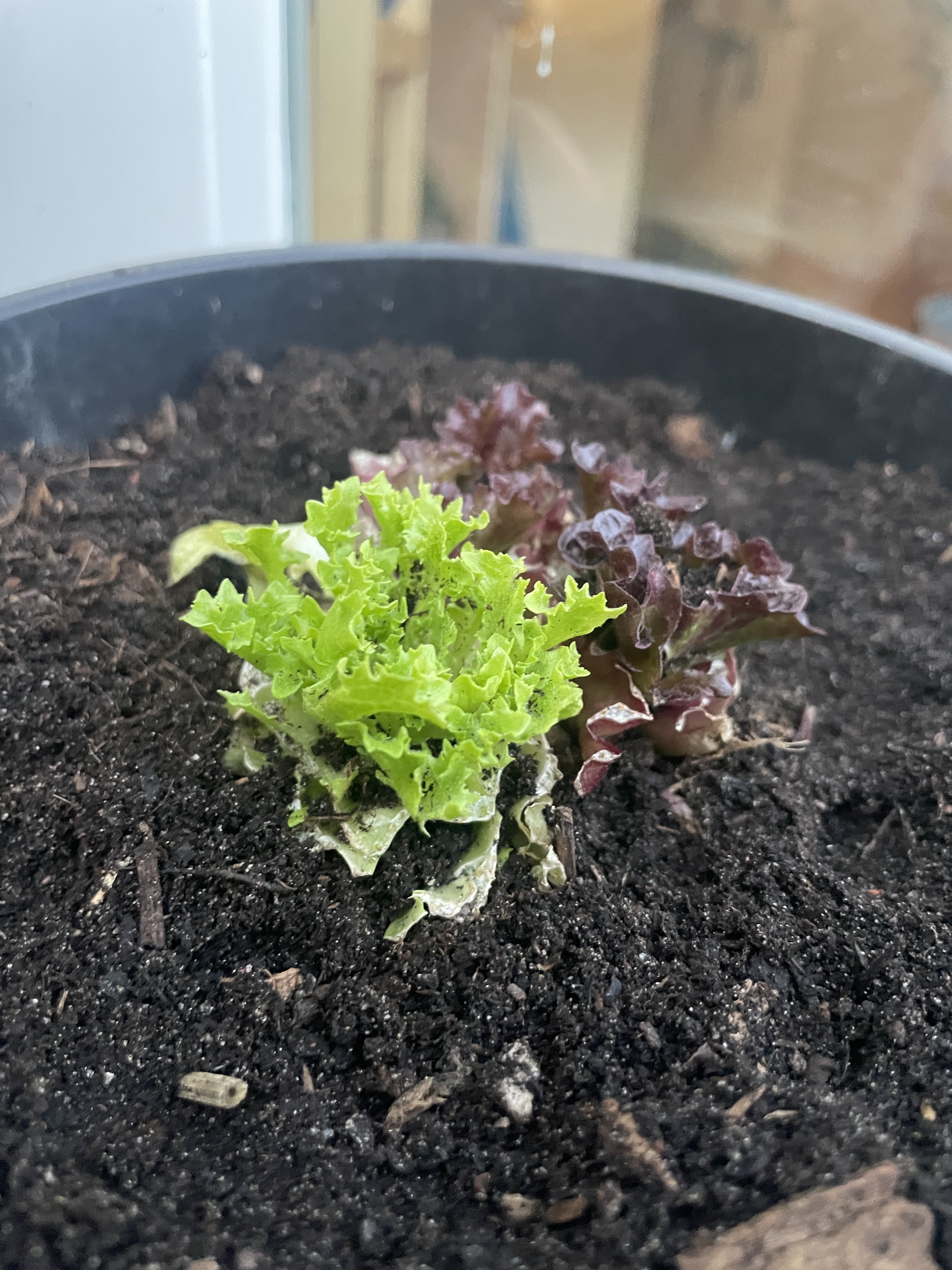
Why is regrowing vegetables from scraps extra beneficial for small-space gardeners?
- It uses (if any) soil space for a shorter time as you bypass the period for the seed-sowing and root-sprouting.
- It is very reliable (aka rooting is almost guaranteed)
- It saves money from buying new seeds.
- And it is super fun.
Lesson 5: Starting new plants from kitchen scraps in water helps save money, time, and space.
 Grow More With Less
Leave a comment