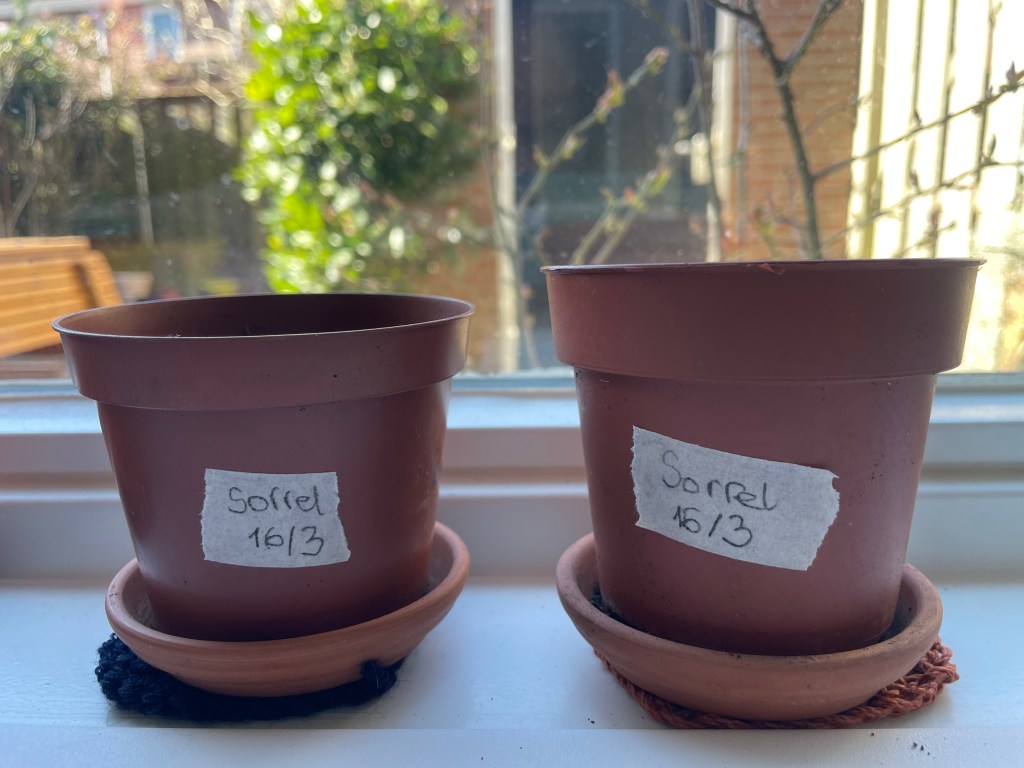
The wait is (sort of) over: I can finally dust out seeds, modules, and compost to start sowing vegetables and herbs.
As March rolls in, many seeds can be sown reliably outdoors, sometimes with the help of a cover, or indoors because the days are longer and the nights are a little bit less cold in Dutch land.
The cut-and-come-again vegetables and herbs are my sowing priorities. When I sow the seeds of cut-and-come-again vegetables properly in March, the leave harvest generally repeats for many months, from early summer to late autumn.

Cut-and-come-again greens are ideal for small gardens because you only need the space for a few good plants, and you are set for the year. No need to keep a calendar for succession planting. No need to fiddle with the tiny seed modules. You harvest the outer leaves with clear cuts, let the plants grow more leaves, and harvest again.
Here are six reliable favourites that I am sowing this March.
Spinach
Spinach is one of the first cut-and-come-again vegetables you can sow in early spring as the plant thrives in cool weather.
- Ideal conditions: Sow seeds directly into well-drained soil from early March. Choose a spot with partial to full sun. Keep soil consistently moist for good germination.
- Common problem: Bolting and downy mildews
- Notable varieties to try:
- red-stem varieties to add attractive color to your garden
- bolting-resistant varieties to delay flowering for leave harvesting
- spinach-like species: some plants have leaves that taste like spinach but can be harvested longer for a year (perpetual spinach) or several years (Good King Henry).

Chard
Chard, or Swiss chard, provides colorful, nutrient-rich leaves that can be harvested repeatedly.
- Ideal conditions: Sow seeds in modules indoors or directly into prepared beds from mid-March. Plant seedlings out once they develop 2-3 true leaves. Prefers full sun but tolerates light shade.
- Common problem: Chard is a great cut-and-come-again vegetable for beginner gardeners because it is relatively trouble-free, except for attacks from slugs and snails. (I hang some of my chard containers up the garden fence, making it harder for pests to reach.)
- Notable varieties to try:
- varieties with rainbow-colored stems are both edible and ornamental
- perennial sea beet is the wild ancestor of chard and beets, come back every year to provide more leaves
- cold hardy varieties can also be sown in mid summer for overwintering and early-spring harvest (White-stem varieties tend to be the hardiest.)

Sorrel
Sorrel is a tangy, lemon-flavoured perennial that can be sown as early as March. If properly cared for, each sorrel plant will keep giving leaves after cutting for many years.
- Ideal conditions: Sow seeds in pots or directly into the ground in March. Prefers rich soil (but tolerates almost any well-drained soil) in full sun or light shade.
- Common problem: Leaves can become tough if a plant is let to flower or the soil is too dry. With some species of sorrel, the leaves would become tougher (and bitter) as the plants grow older.
- Notable varieties to try:
- red-vein sorrel are edible and decorative
- non-flowering cultivars can last many years without the leaves turning tougher (and bitter)
- compact-sized varieties (French sorrel)are ideal for small gardening spaces
If you are enjoying this post, you might also appreciate our FREE cheat sheet with 12 Tested Gardening Ideas for Small Spaces.
Provide your info for a link to the downloadable resource and be opted into our email list for the (very) occasional product promotion.


Rocket
Rocket is a cool weather vegetable that can be grown as a cut and come again.
- Ideal conditions: Sow directly outdoors in March in a sunny or partially shaded spot. Keep soil moist to prevent bitterness.
- Common problem: Flea beetles cause tiny holes in leaves. Use row covers for protection.
- Notable varieties to try:
- salad rocket: quick to harvest
- wild rocket, perennial in mild climate
Coriander
Coriander is one of the few herbs used in Vietnamese cuisine that would enjoy an early start in this part of Europe. I am always so excited in March, sowing the first coriander seeds in a container inside the house and then a few others outdoors later in the month.
- Ideal conditions: Direct sow in a sunny spot with well-drained soil. Keep soil consistently moist but not waterlogged.
- Common problem: Bolting in hot or dry conditions. You need to keep plants shaded and well-watered if you want to prolong leave harvest.
- Notable varieties to try:
- varieties that are slow to bolt
- varieties with a high leaf yield

Amaranth
Amaranth is a heat-loving green that can be started indoors in March to maximise the harvest when growing in colder climates (like in Northern Europe).
- Ideal conditions: Sow indoors in trays or in a greenhouse. Transplant outdoors once temperatures warm up. Prefers full sun and well-draining soil.
- Common problem: Fairly trouble-free except for susceptibility to the cold. Keep seedlings warm before transplanting.
- Notable varieties to try: ‘
- red leaf varieties are edible and decorative
- compact varieties to save space in small gardens
 Grow More With Less
Leave a comment