A gardener’s guide to multiplying your favourite plants — just as the season begins to slow
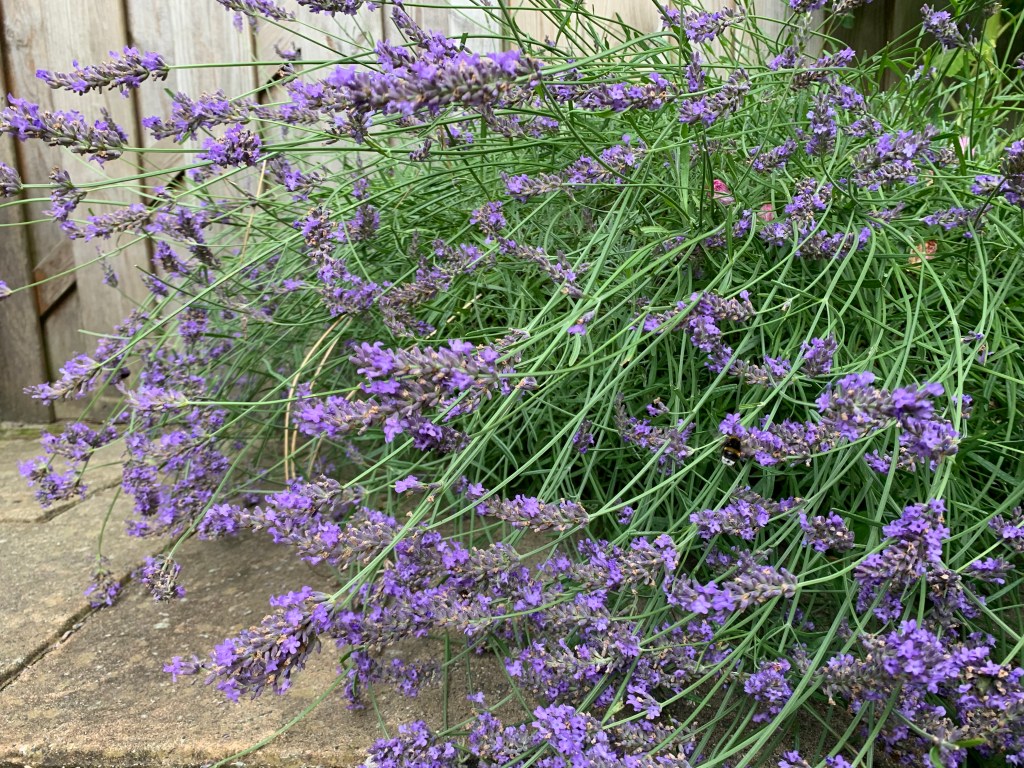
I can’t remember the first time I took a cutting to make a new plant. It could have been from the lavender bush at the bottom of my garden, as the flowers were fading away. Or it could have been from an overcrowded store-bought basil pot to start new plants for indoors for overwintering. Whichever it was, I’m awfully glad that I discovered summer cuttings as a means of propagation.
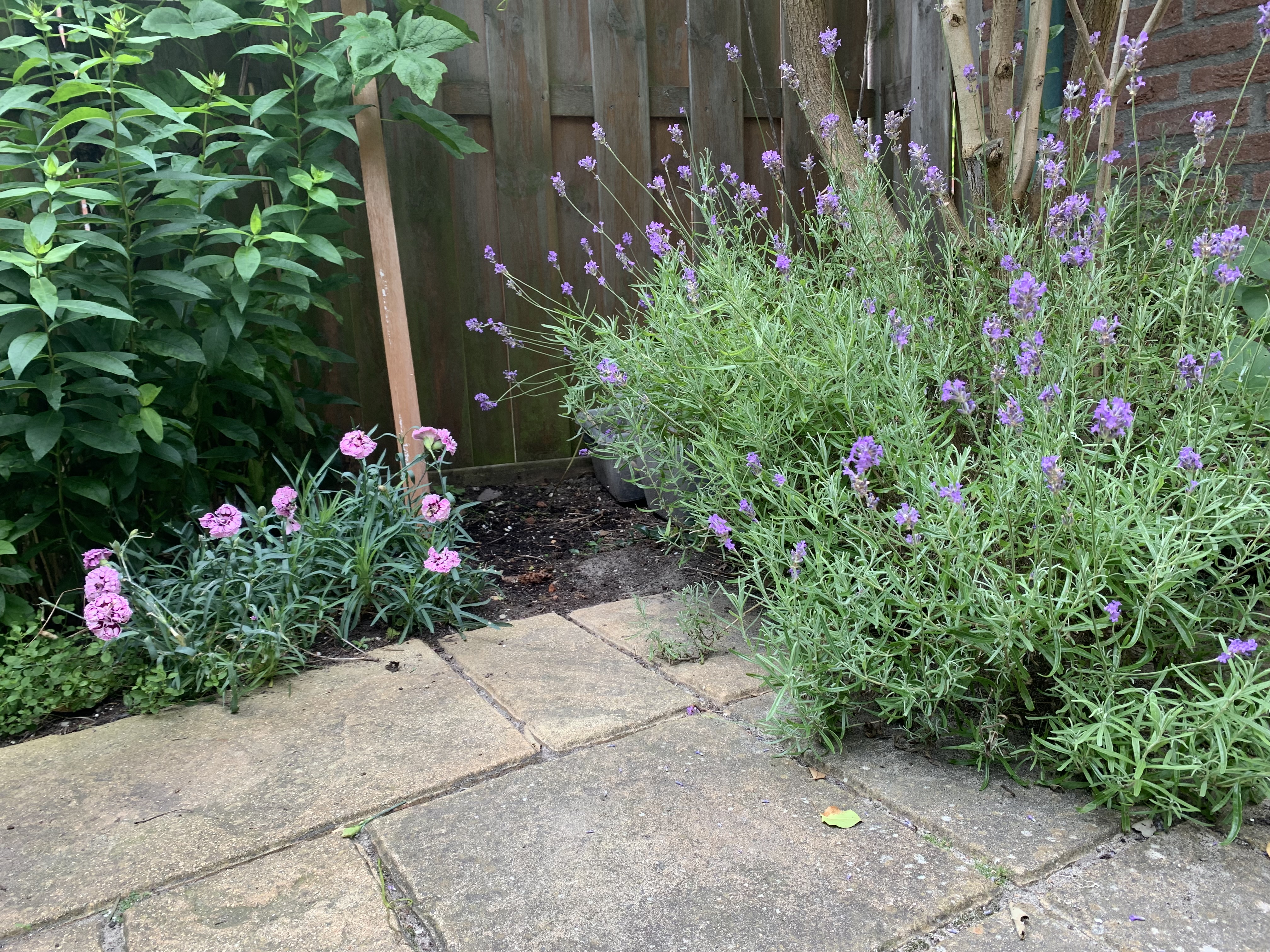
Propagating herbs and shrubs from summer cuttings is an easy way to get healthy young plants for free.
I used to find the term propagation rather intimidating, something reserved for seasoned gardener. But it wasn’t really. Growing a new plant from a summer cutting you take can be simple and straight forward. It doesn’t require a greenhouse or fancy equipment — just some ahead planning, a little care, and the right materials.
To help you out, here’s everything you need to know about summer cuttings. Plus, I’ll share a list of herbs and shrubs that root especially well this time of year.
TL;DR: The bare minimum for successfully rooting a summer cutting:
- A 10-cm semi-ripe non-flowering shoot from a healthy parent plant, strip off the lower leaves
- A small pot filled with moist, free-draining compost
- A clear plastic cover to retain moisture
The Basics of Taking Summer Cuttings
Why Take Cuttings to Propagate?
Propagation by cuttings can be a reliable way to multiply your favourite plants. And it is free.
Unlike growing from seed, cuttings are genetic clones — which means you’re guaranteed to get the same scent, colour, or flavour as the parent plant.
Propagation with summer cuttings is also a brilliant way to:
- Share plants with friends and neighbours
- Fill out new borders or containers without spending a penny
- Preserve special or heirloom varieties
- Rejuvenate older shrubs that tend to grow leggy or give fewer flowers
Plus, there’s something deeply rewarding and rather cool about nurturing a stem into a fully rooted plant.
Why Late Summer Is an Ideal Time To Take Cuttings
Late summer, from early August to the first week(s) of September, is ideal for taking what’s called semi-ripe cuttings. This is when stems are still flexible near the tip but woody at the base, giving them the best of both worlds:
- Soft enough to root easily
- Firm enough to hold structure and resist rotting
By taking cuttings now, your new plants will have time to establish roots before winter. You can overwinter them in a cold frame, greenhouse, or simply a protected porch if you don’t have a very harsh winter. And by spring, the newly rooted plants will be ready to go into the ground.
As summer and the growing season approach their end, there seems to be a sense of melancholy in the air. But, it cheers me up to take cuttings and prepare for the coming growing seasons. Propagating brings hope.
How to Take Summer Cuttings
You don’t need much to get started — just a healthy plant, sharp scissors, and a few minutes of focus.
The step-by-step process to take summer cuttings:
- Choose a healthy non-flowering shoot that’s semi-ripe (firm at the base, soft at the tip).
- Cut just below a leaf node (where the leaf joins the stem) — usually around 10–15 cm long.
- Remove the lower leaves, keeping 2–4 leaves at the top.
- Dip in rooting hormone (optional, but helpful for woodier shrubs).
- Insert into moist potting mix (a 50:50 mix of compost and perlite/sand works well).
- Cover with a plastic dome or bag to retain humidity, but make sure it doesn’t touch the leaves.
- Place somewhere warm and bright (but not in direct sun).
- Mist regularly and keep moist, but not soggy.
Roots often appear within 4–6 weeks, but some plants take longer. Be patient — and resist tugging to check too often!
These steps are the standard procedure for reliable rooting. However, don’t let the exhaustive list stop you from trying this route of propagation. Go for it even if you don’t happen to have rooting hormone or the time for daily misting. I successfully grew roots from cuttings by sticking them into a pot with random garden soil and leaving them unattended in the open for a couple of months.
What You’ll Need for Propagation Success
Ideally, you want to gather the following kit to take and root summer cuttings:
- Clean, sharp scissors or secateurs
- Small pots or trays
- Free-draining compost (or seed-starting mix with added grit/perlite)
- A spray bottle
- Transparent cover (like a plastic bag, propagator lid, or bottle cut in half)
- Labels (don’t skip this step, especially for plants you don’t know very well)
- Rooting hormone (optional but useful for shrubs)
Once rooted, move the cuttings into individual pots and overwinter in a protected spot. Come spring, you’ll have strong young plants to use, gift, or swap.
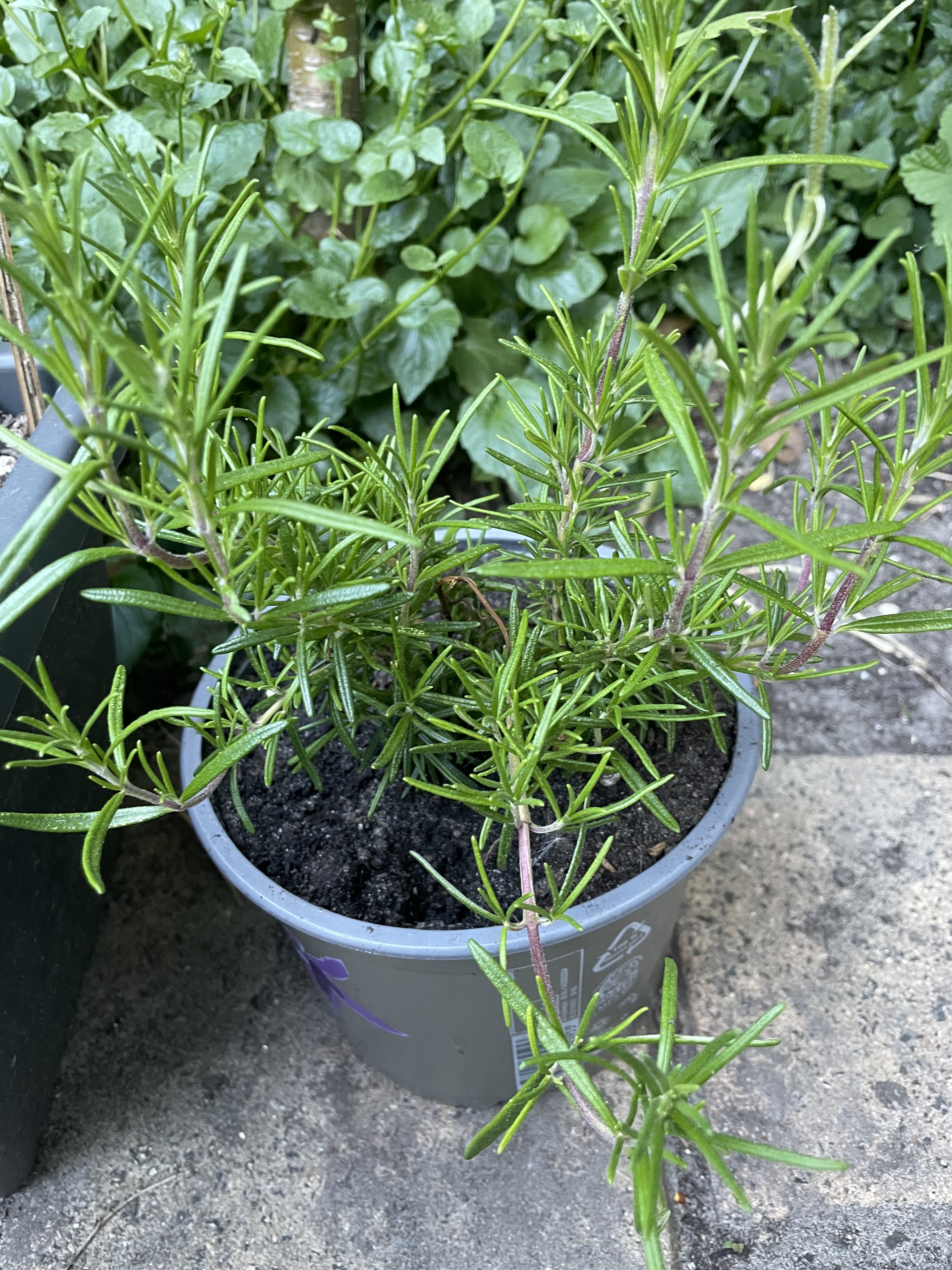
Herbs and Shrubs to Propagate from Cuttings in Late Summer
Here’s a list of 10 compact herbs and small shrubs perfect for small gardens that can be propagated from summer cuttings:


 Grow More With Less
Leave a comment