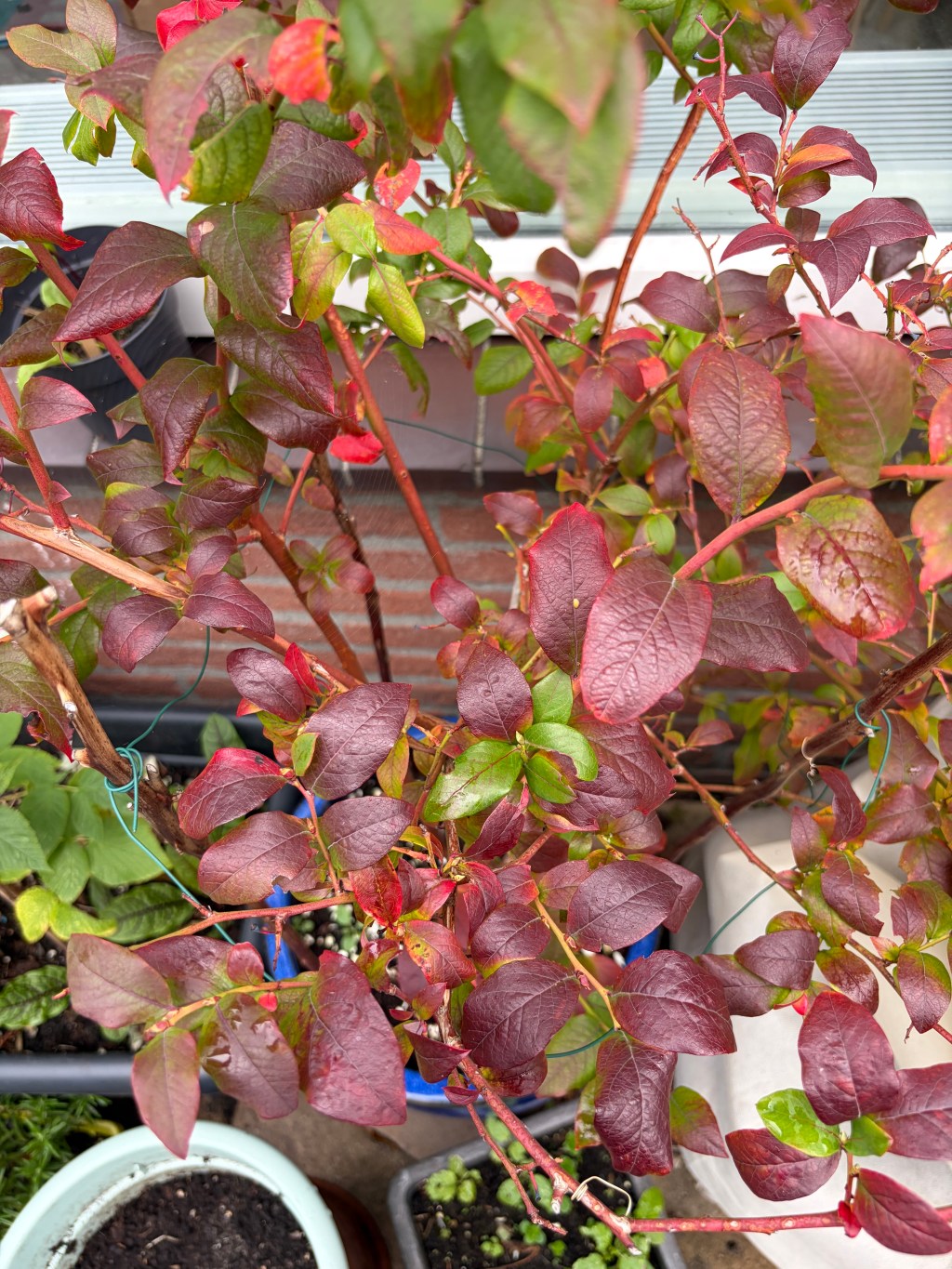
If you live somewhere in the Northern Hemisphere, then the end of October marks the beginning of “cold, colder, and so very cold.” Adding persistent rain into the mix, it is understandable if there is a reluctance to garden.
Least of all, there doesn’t seem to be a need for watering when most perennial plants are going into dormancy and annual plants are already at their end. (And also, with all the rain ☔️)
But, if you do want to get out there, despite the wet rain and the cold air, you will find that garden chores in October can be rewarding (and even fun).
Think of October as a transitional month: a time to protect what you’ve nurtured, prepare the soil for rest, and lay the groundwork for spring.
Protect Perennials: Things To Do
Why These Jobs?
Perennials are the backbone of the garden, the more permanent features that return year after year with fresh growth and colour.
Autumn weather — heavy rains, early frosts, and gusty winds — can weaken your perennial shrubs and trees, especially the younger ones. Providing your perennials with extra care now ensures they’ll bounce back strongly in the spring.
What’s Involved
- Prune: Cut back faded growth on herbaceous perennials like peonies, phlox, and delphiniums. This tidies up the garden and helps prevent disease.
- Lift: Tender perennials such as dahlias, cannas, and gladiolus won’t survive a hard frost. Lift their tubers or corms, dry them, and store them in a cool, dry, and frost-free place.
- Wrap: For borderline-hardy perennials (such as tree ferns or agapanthus in pots), wrap the crowns or containers with fleece, hessian, or bubble wrap.
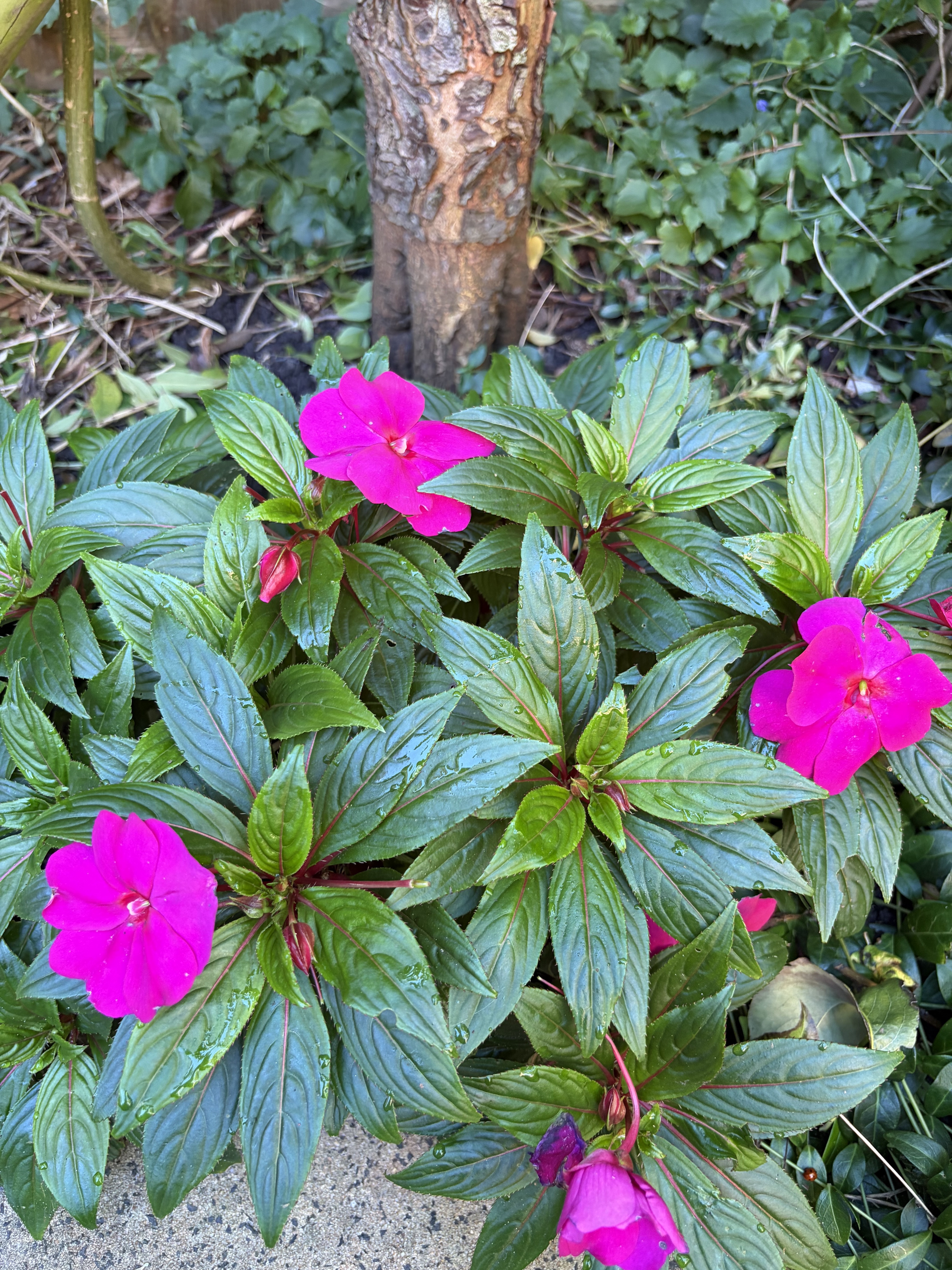
- Overwinter: Move vulnerable perennials, such as impatiens, into a greenhouse, porch, or sheltered corner. Grouping pots together also creates a warmer microclimate, helping the plants prone to frost cope better through the winter months.
Protect Garden Soil: Things To Do
Why These Jobs?
Soil is the garden’s greatest asset, but it’s easily damaged by winter weather. Heavy rain leaches nutrients while frost and repeated soaking compact the surface. Protecting your soil now means healthier beds and less work when spring arrives.
What’s Involved
- Mulch: Spread a (thick) layer of organic matter (compost, manure, or bark) over bare soil to improve structure and allow nutrients to be slowly released into the soil in time for spring growth.
- Cover Crops: Sow green manures like clover, vetch, or winter rye in empty beds. They’ll hold nutrients in place and can be dug in come spring.
- Protect Structure: Avoid walking on beds when they’re wet to prevent compaction. Lay down wooden planks if you need access.
Start Spring Early: Sowing and Planting Jobs
Why These Jobs?
Autumn isn’t just about winding down — it’s also the perfect moment to plant for next year. By sowing and planting now, you give bulbs and hardy seeds the cold they need to sprout strongly once spring warms up.
What’s Typically Involved
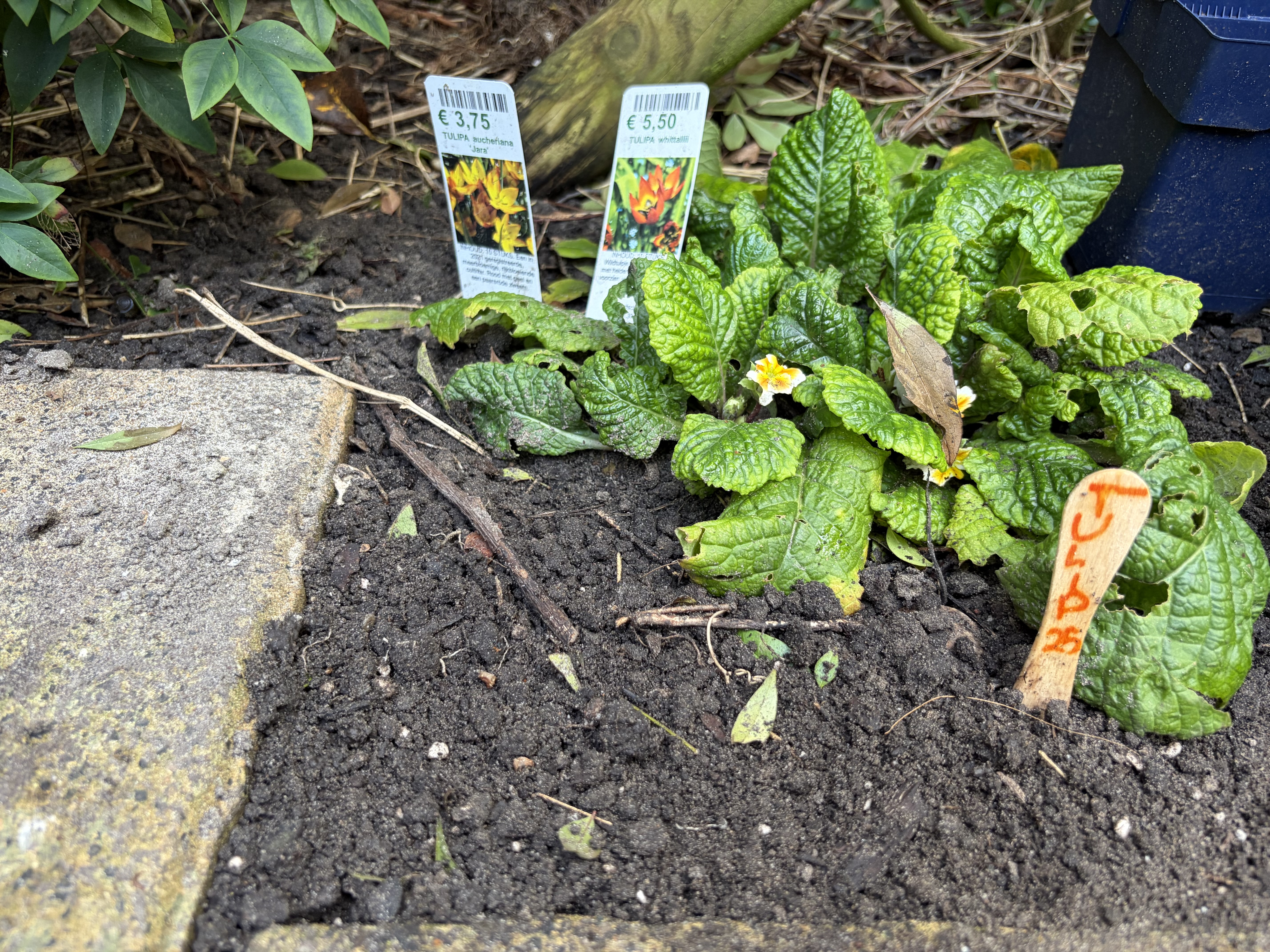
- Spring Flowers (Bulbs): Tuck spring bulbs into borders, pots, or naturalised areas for a cheerful spring display. Get out your daffodils, crocuses, and hyacinths if you haven’t got around to this task in September. In northern regions with a milder climate, it’s best to wait until October (or even later) to plant tulips, as this prevents new growth from emerging too early and becoming vulnerable to frost.
- Cold-Hardy Leafy Greens: Swiss Chards, spinach, and winter lettuces can all be planted in the ground or containers now, making the most of the lingering warmth. If your area is not prone to serious frost until much later into the winter, you will be able to harvest the precious greens for a few good weeks. (I do in my little corner in the Netherlands).
- Onions and Garlic: You can accommodate annual crops that take longer to mature, such as garlic and onions, by planting them now. As I don’t have a lot of garden space, I don’t grow onions and garlic to replace the weekly grocery order. Rather, I grow them for the joy of having some new growth to look at during the cold, grey days.
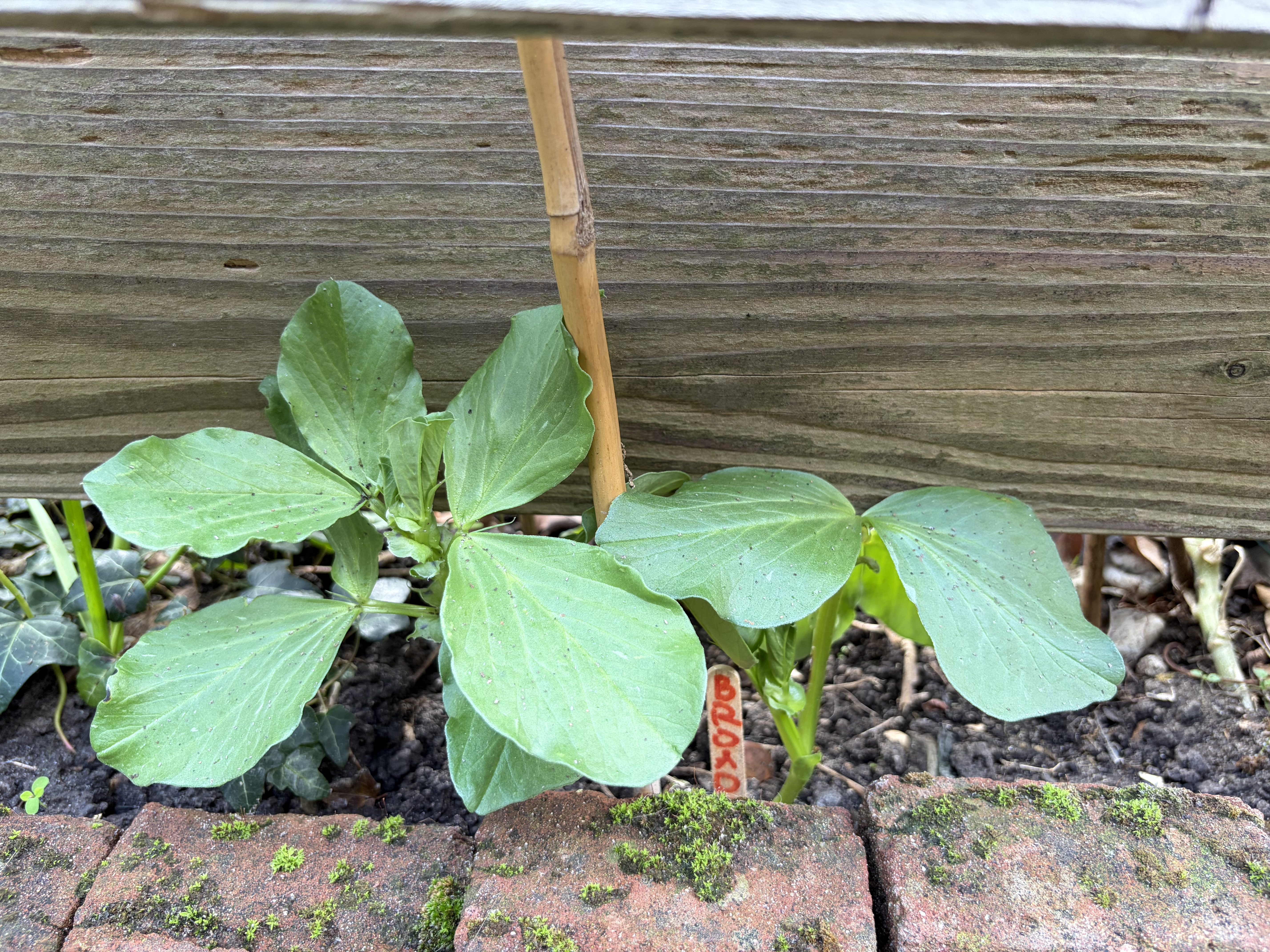
- Beans: Sowing broad beans in October will allow them to establish roots before winter, resulting in an earlier harvest the following year.
Clearing Out Jobs
Why These Jobs?
Clearing away summer’s leftovers is just as important as planting new things. Dead plants, old compost, and fallen leaves can harbour pests and diseases, which then overwinter and cause problems next year.
What’s Involved
- Clean Out Annual Pots: Empty containers of summer bedding plants and wash the empty pots so they’re ready for replanting.
- Leaf and Twig Management: Collect fallen leaves to make leaf mould and pile up small twigs into a wildlife-friendly corner.
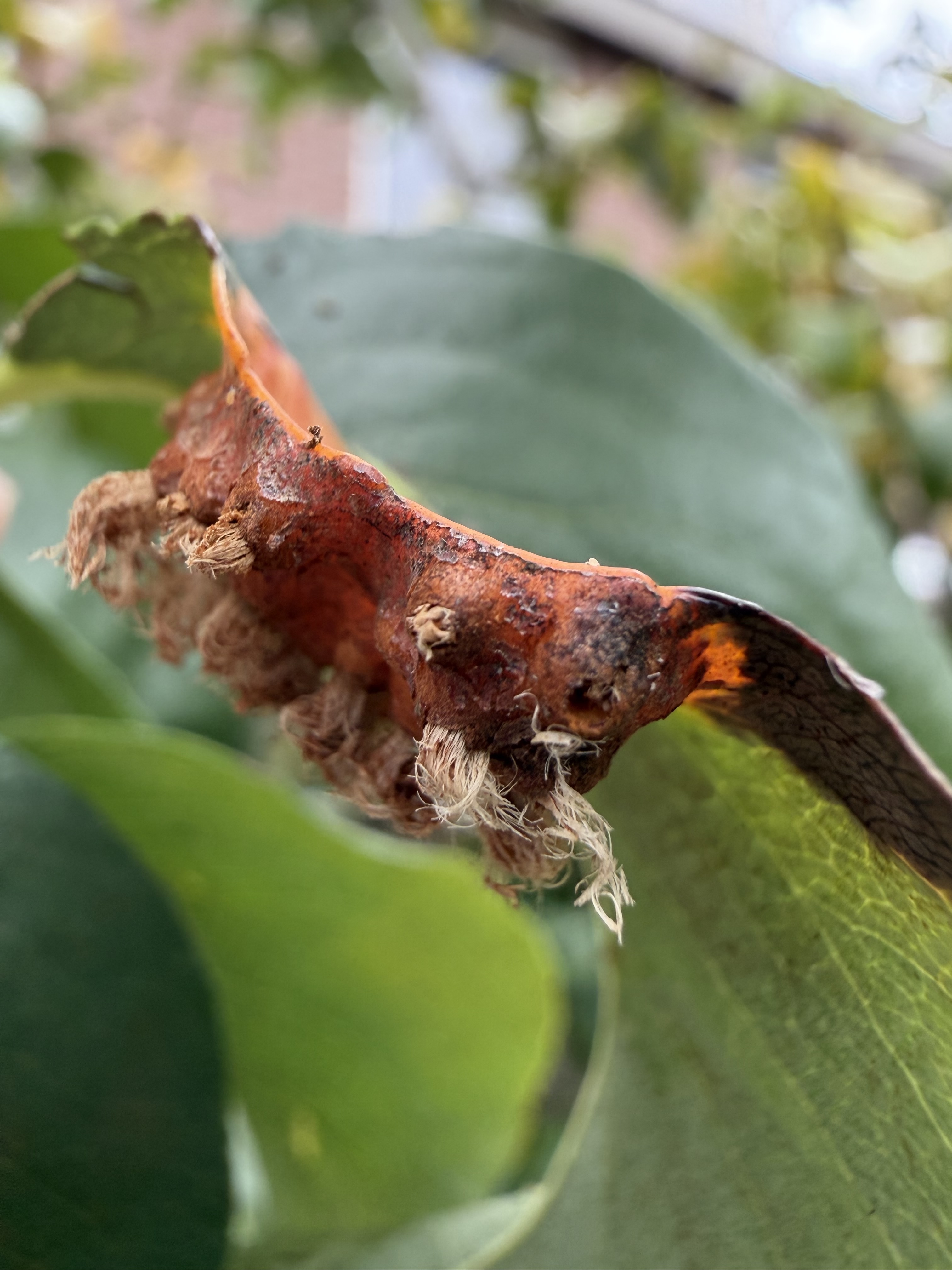
- Clear Diseased Foliage: Dispose of blighted tomato leaves or pear leaves infected with rust. Don’t add them to the compost heap.
Final Thought
Autumn days can be truly beautiful, with a blue sky and vibrant foliage around many corners. Yet, they can also be dull and cold. As soon as the first of the latter hits, my mood often goes all the way down. And it can be hard to get out from under.
My fix? Find a reason to be of use in my garden. Even if it’s raining. Gardening is my way to enjoy the now and nurture the morrow.
So I choose to think of Octher this way: It isn’t the end of the season. It’s my chance to close the year neatly while setting the stage for a flourishing one ahead.
If you are enjoying this post, you might also appreciate our FREE cheat sheet with 12 Tested Gardening Ideas for Small Spaces.
Provide your info for a link to the downloadable resource and be opted into our email list for the (very) occasional product promotion.


 Grow More With Less
Leave a comment