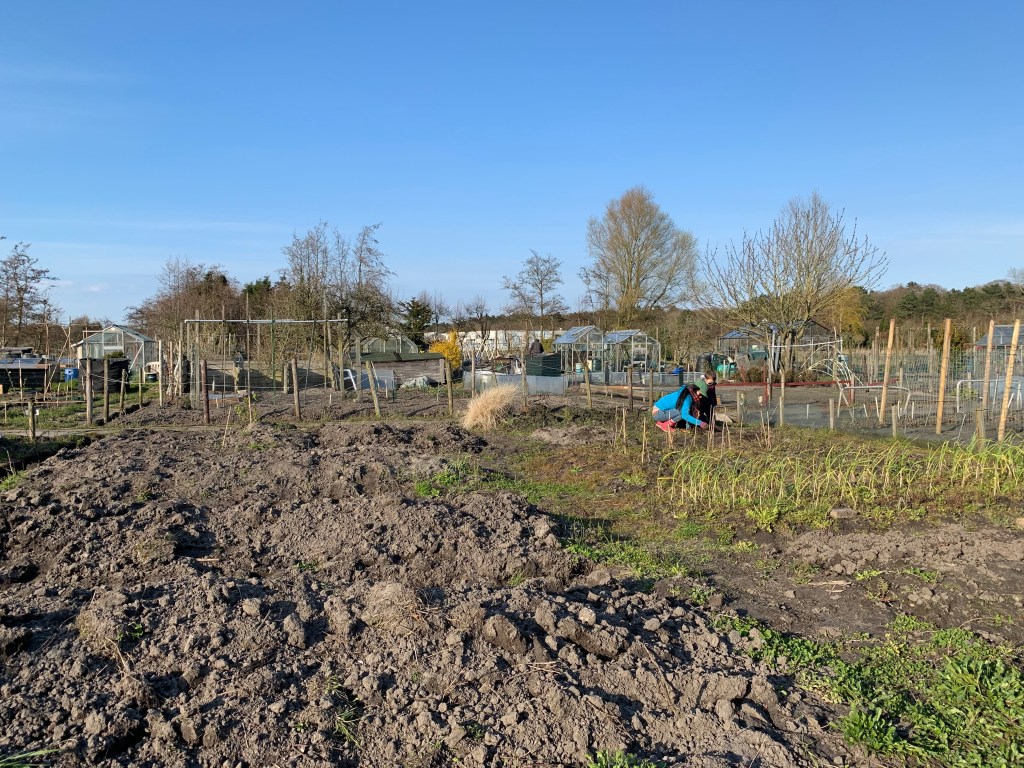
If you’re planning new trees or shrubs for your small garden, a winter must-do is to order and plant them bare-root. Bare-root planting is one great single saving for you and the environment that you can easily do this winter.
Bare-root planting — available only during the dormant months — lets you add structure, beauty, and delicious fruits to your garden at a fraction of spring prices. Also, it is a more sustainable way to grow young trees and shrubs in nurseries, transport them to their new homes, and help them thrive thereafter.

What Is Bare-Root Planting?
Bare-root planting simply means buying and planting trees, shrubs, or hedge plants that are sold without soil around their roots. These plants are grown in loose material in the ground (instead of in containers). Once they are ordered, they will be lifted from the ground, bundled in damp material to prevent drying, and shipped directly to you.
Lifting is only done during the dormant period (usually November–March) to avoid hindering the plant’s overall health. Thus, winter is the time to do your bare-root planting and save plenty for the new tree or shrub.
The Benefits of Planting Bare Root Trees or Shrubs
Winter planting of trees, shrubs, or a hedge row with bare-root stock is beneficial for your budget, plant growth, and the environment.
Bare-Root Stocks Come At Much Lower Prices Compared to Spring Potted Plants
Bare-root plants can cost significantly less than the same variety in a pot because you’re not paying for any potting compost, the pot itself, and all the care required to keep the containerised plant healthy at a nursery. You only pay for the plant.
Bare-Root Trees Tend to Adjust Quicker To The New Ground in Your Garden
Bare-root plants establish faster because their root systems are intact and unbound by the pot shape.
This means:
- The roots spread quicker into the soil of your garden
- The roots have better access to nutrients, feeding the plant more efficiently
- The plant has an easier adjustment to a small garden space, in proximity to other plants
More Small Garden Friendly Choices in Bare-Root Form
Because the care required for bare-root stocks is minimal compared with potted plants, nurseries tend to offer their widest range of sizes and cultivars in bare-root form during the winter months. It means that you can easily find new trees and shrubs that are suitable for your small garden, such as:
- dwarf fruit trees
- compact ornamental shrubs
- hedging suited to tiny plots
- espalier-ready varieties for walls and fences

Bare-Root Stocks Have Lower Environmental Impact
Planting bare-root plants is one of the most eco-friendly ways to expand your garden.
Bare-root trees, shrubs, and hedge rows don’t come with the hidden environment costs associated with
- plastic pots
- potting compost
- extra water (for keeping containerised plants from drying out)
- an elevated transportation footprint of heavy compost and containers
If you are enjoying this post, you might also appreciate our FREE cheat sheet with 12 Tested Gardening Ideas for Small Spaces.
Provide your info for a link to the downloadable resource and be opted into our email list for the (very) occasional product promotion.


How to Plant a Bare Root Tree or Shrub
- Prepare the roots
- Keep roots moist until planting (wrap with damp paper or dunk in water as soon as you receive your plant order).
- Plant within 24–48 hours of arrival if possible.
- Dig the right hole
- Wide and shallow, not deep.
- Roots should spread naturally without bending.
- Position the plant
- Look for the graft union (the bump above the roots).
- Keep it 5–10 cm above soil level once planted.
- Back fill with native soil
- Don’t over-enrich — it can discourage roots from spreading.
- Press down the soil gently to eliminate air pockets.
- Water deeply
- Water deeply after planting, even though it’s in winter. The water helps the soil settle around the roots.
- Mulch with organic matter
- Add a layer of mulch around the planting area to suppress spring weeds (from coming up and competing with the new plant)
- Keep the mulch away from the trunk to prevent rot
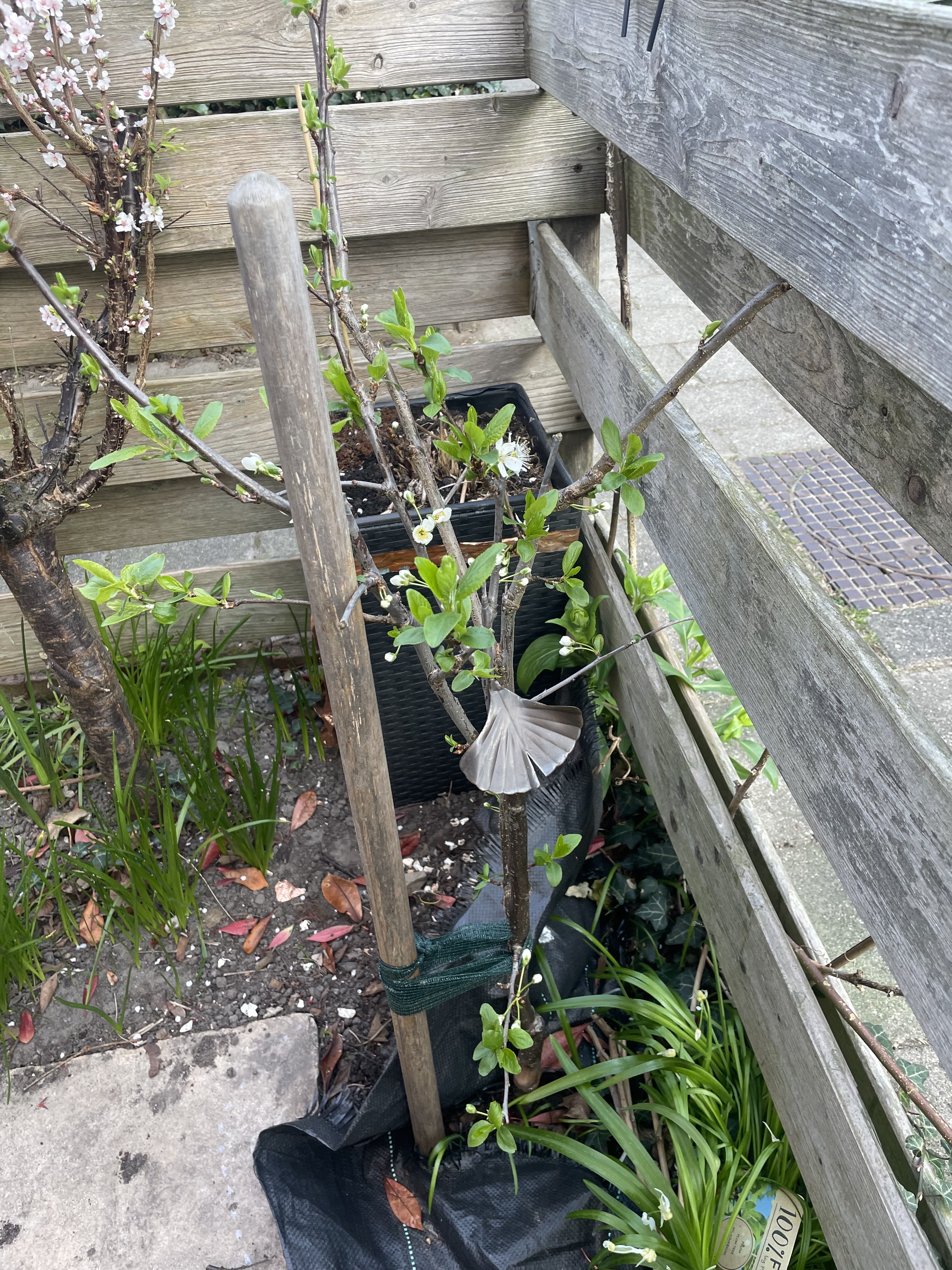
- Stake if necessary. This is especially important if
- You plant a new tree in an area without any shelter from the wind
- It is generally windy where you garden (as is the case for me)
- The new plant is tall and slender
What Trees or Shrubs Are Available as Bare Root?
Many trees, shrubs, and hedge plants are available in bare-root form during the summer. A quick search on a reputable nursery website will probably reveal the many possibilities that you can choose from.
The following trees, shrubs, and hedge row plants are often available bare-root when ordered during the winter months.
Fruit and Ornamental Trees
- Apple
- Pear
- Plum
- Cherry
- Quince
- Crab apple
- Hawthorn
- Birch
Soft Fruit and Shrubs
- Raspberries
- Blackberries
- Blackcurrants
- Redcurrants
- Gooseberries
- Hybrid berries (tayberry, loganberry)
- Roses
Hedging Plants
- Beech
- Hornbeam
- Hawthorn
- Hazel
- Dogwood
- Privet
- Wildlife-friendly mixed hedging bundles
 Grow More With Less
Leave a comment