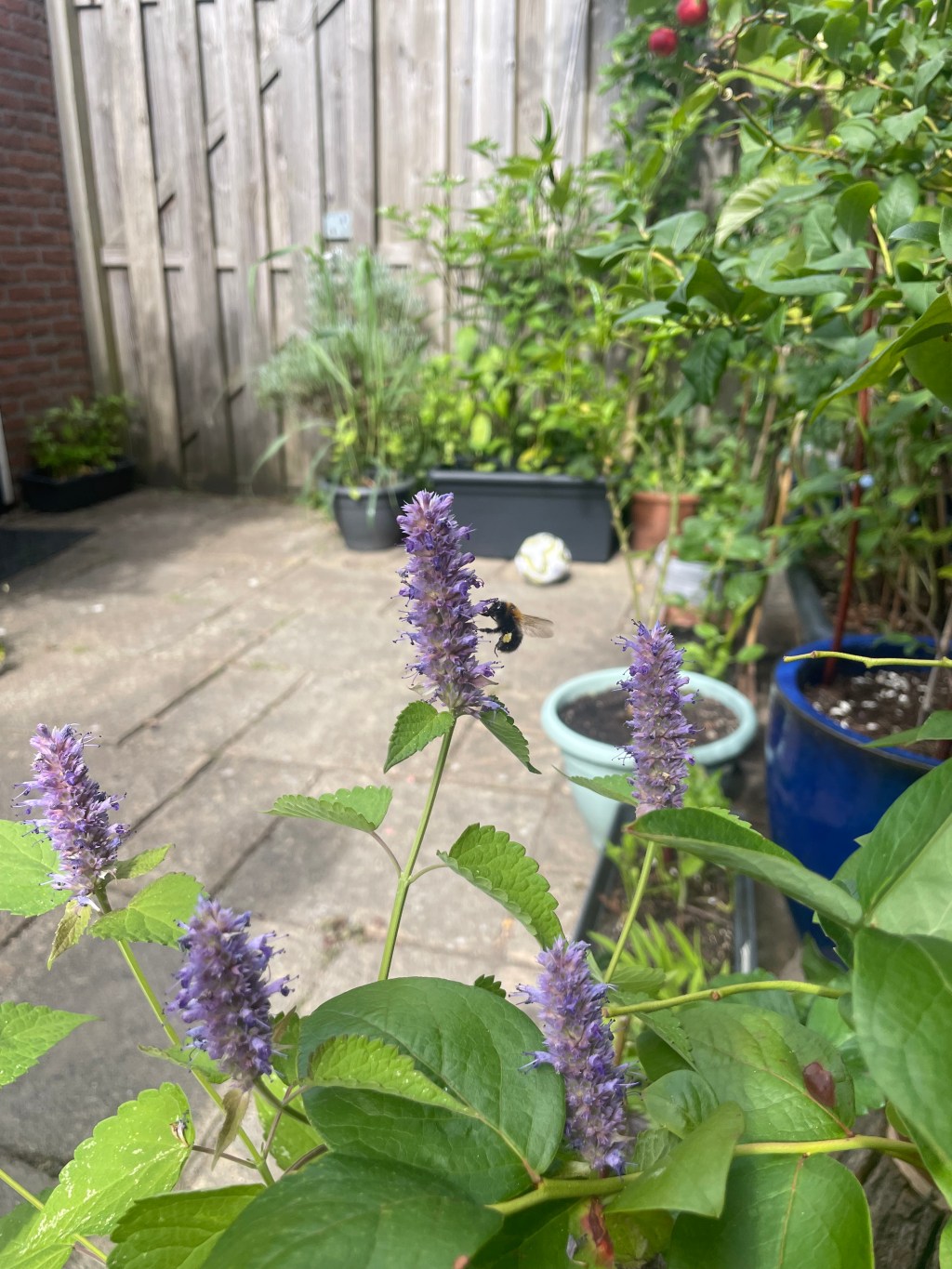
I’m excited for 2026 and the coming seasons of growing and creating.
2025 saw me extending my growing space into new dimensions-higher, deeper, and more fragrant. Yet, the additions have, admittedly, grown slightly out of control.
Naturally, I feel like 2026 should be a year of consolidation:
- fewer containers for a stronger garden outline
- more plants, yet
- simpler visual rhythm using focal points with extended display.
One Raised Bed Instead of Many Small Pots
Over the years, my garden has slowly filled with pots. Some were necessary. Others were simply a convenient solution at the time.
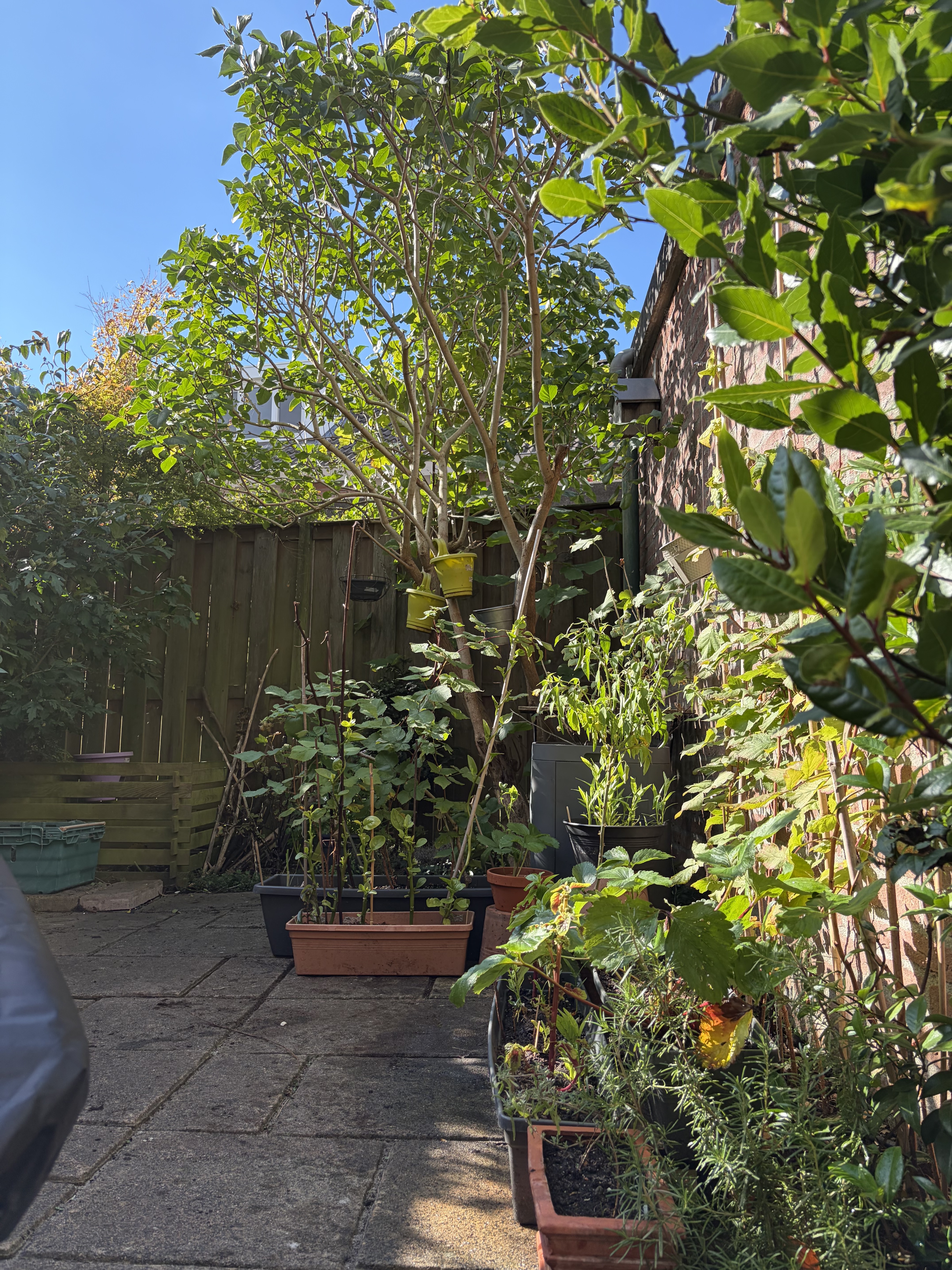
By the end of 2025, I had felt the burden of the many small containers. They are creating a visual clutter and a few practical challenges—especially when it comes to watering.
The logistical nightmare of arranging multiple neighbours and friends to check on my plants during the 5 weeks we were away in summer was the final push: I need to not have 30-plus containers.
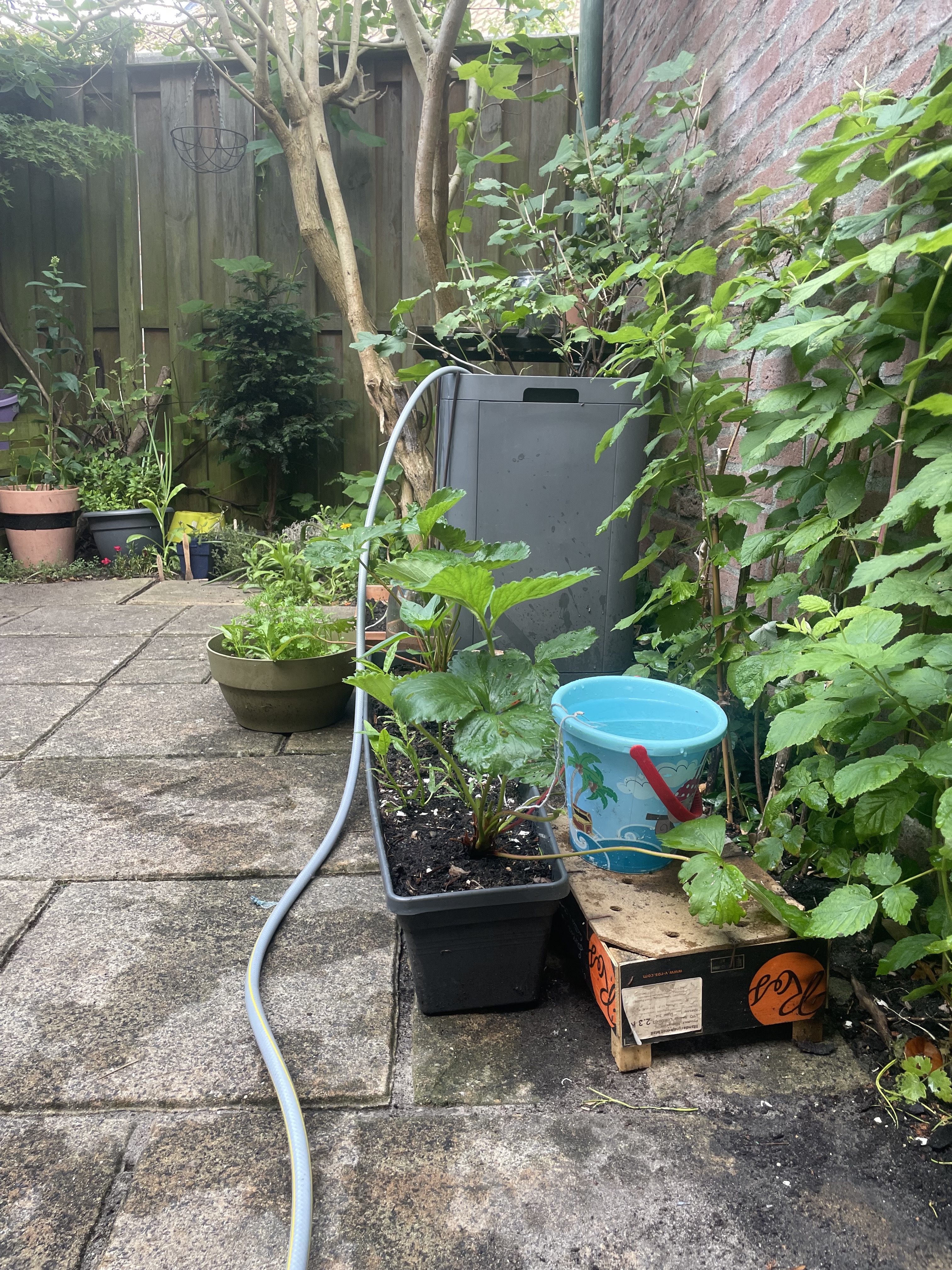
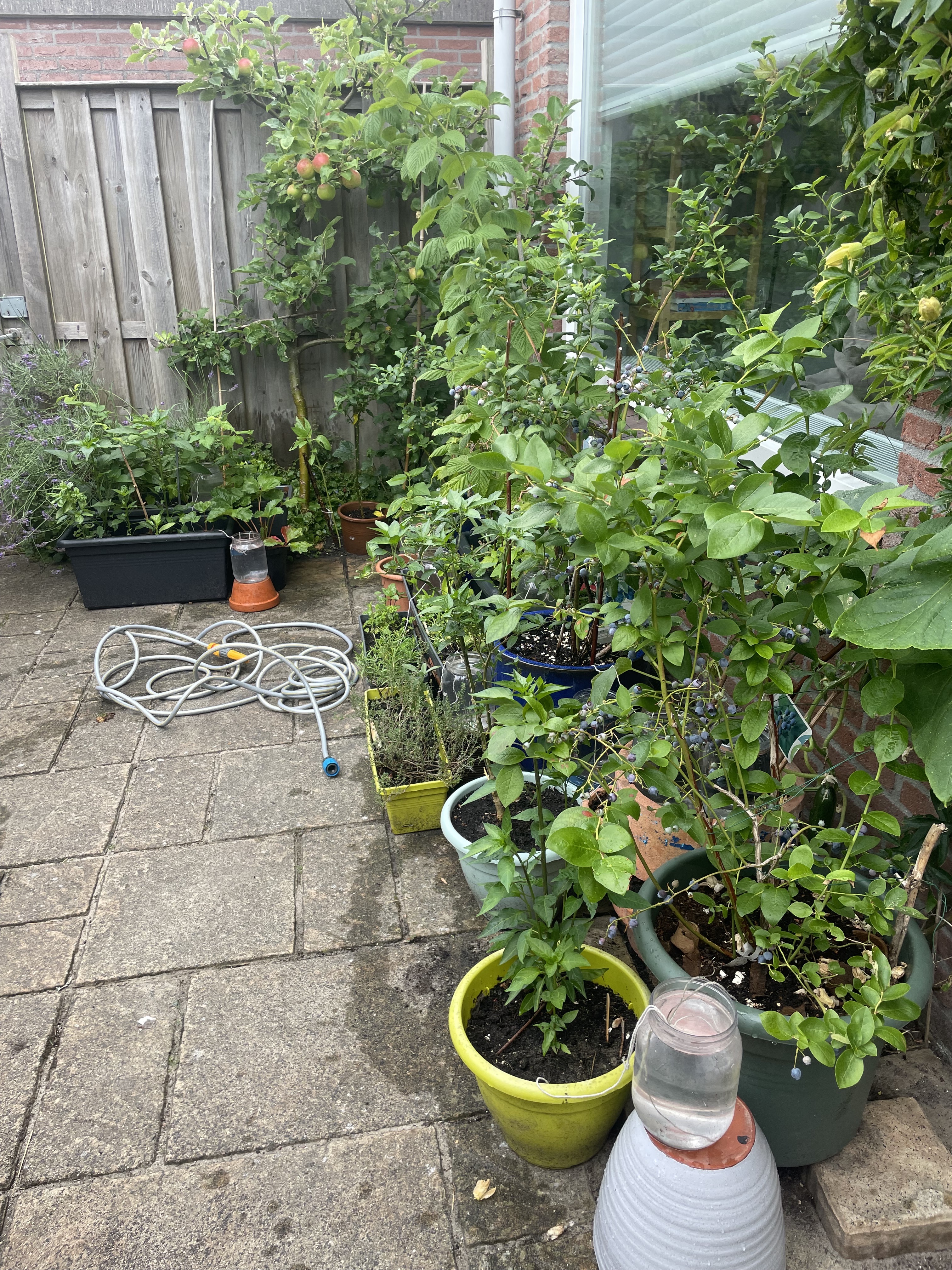
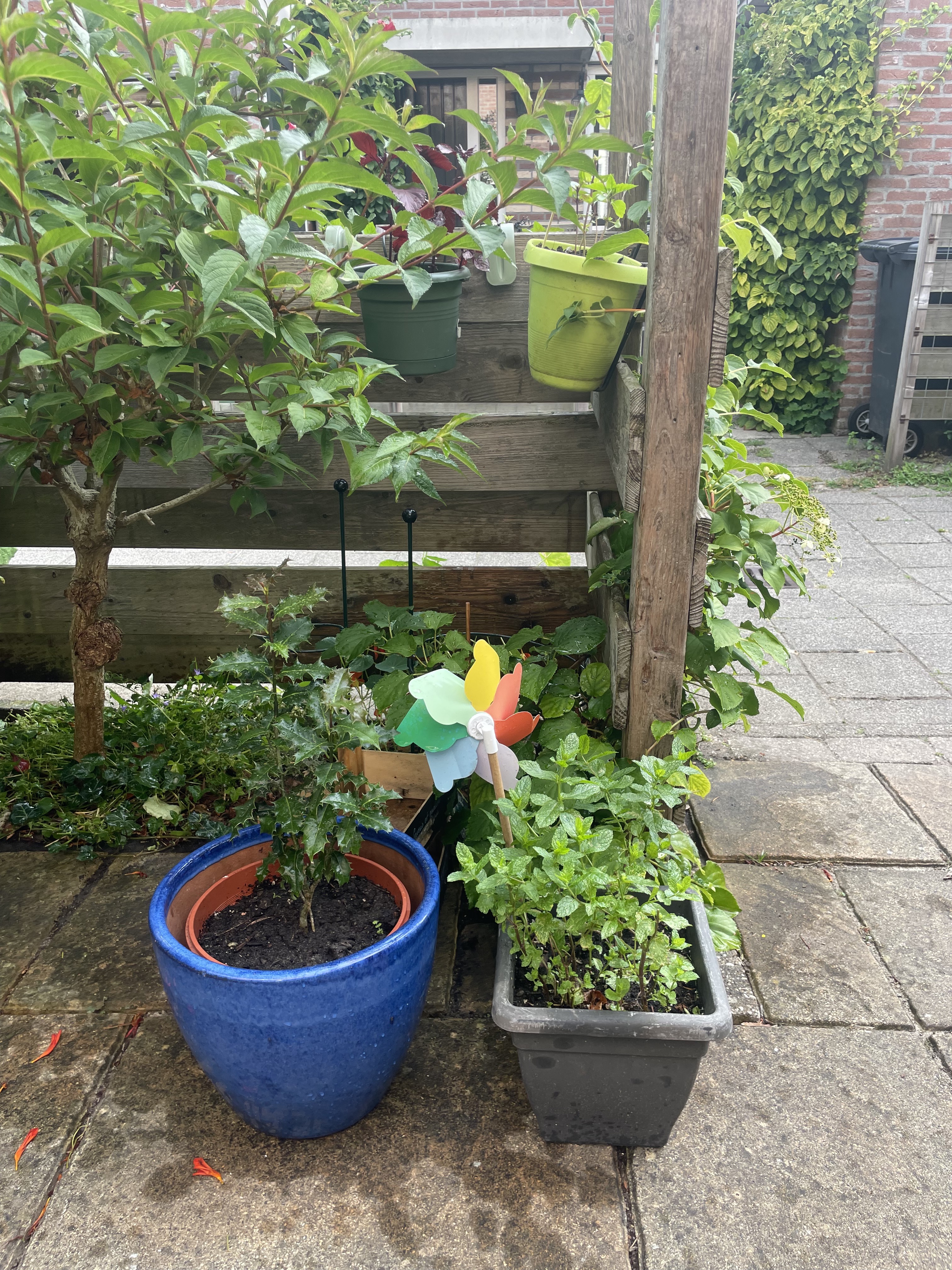
As I was brought up to be resourceful in any way I could, it is very hard to fathom replacing the pots I have with something else, especially something I would have to buy. Yet it’s time I focused on the benefits and hope they outweigh the potential cost and supposed waste.
So 2026 is the year I plan to build, along my sunny, warm shed wall, the very first raised bed, replacing at least six individual containers, each of which currently houses a strawberry plant, and most likely a few others with edible plants.
Why a Raised Bed
In 2026, I plan to swap multiple small pots for a single raised bed.
These are the benefits that I hope for:
- Reduced clutter: One raised bed instantly feels calmer than ten mismatched pots.
- Better water retention: Larger soil volumes dry out more slowly, which is a big advantage during warm summers.
- Healthier root growth: Plants can stretch out instead of circling inside pots.
In the spring of 2025, I considered the pros and cons of setting up raised beds in a small, established garden and decided against building them in my own because of the trade-offs in gardening space. As 2025’s growing season developed, I discovered the possibility (and rewards) of swapping garden paving slabs for plants. So in 2026, I would test whether “lifting up the garden tiles” is the solution to my raised bed challenge.
I am very excited as this raised bed would give me the chance to build soil properly from the start—layered, enriched, and designed for long-term use rather than seasonal planting.
Stack Up The Climbers
There are two things I have learned from creating green walls in the last few years:
- Some climbers take a long time to establish.
- Once established in a small space, pruning is key for both aesthetics and sanity.
Through the few years that it took for certain climbers to settle into their tiny space, I have had many opportunities to remove a low-hanging branch or take a semi-ripe cutting. Coming into this autumn, I found myself nurturing a few young plants (hydrangea petiolaris, semi-deciduous Japanese honeysuckle, and common European honeysuckle), all propagated from older ones in my garden.
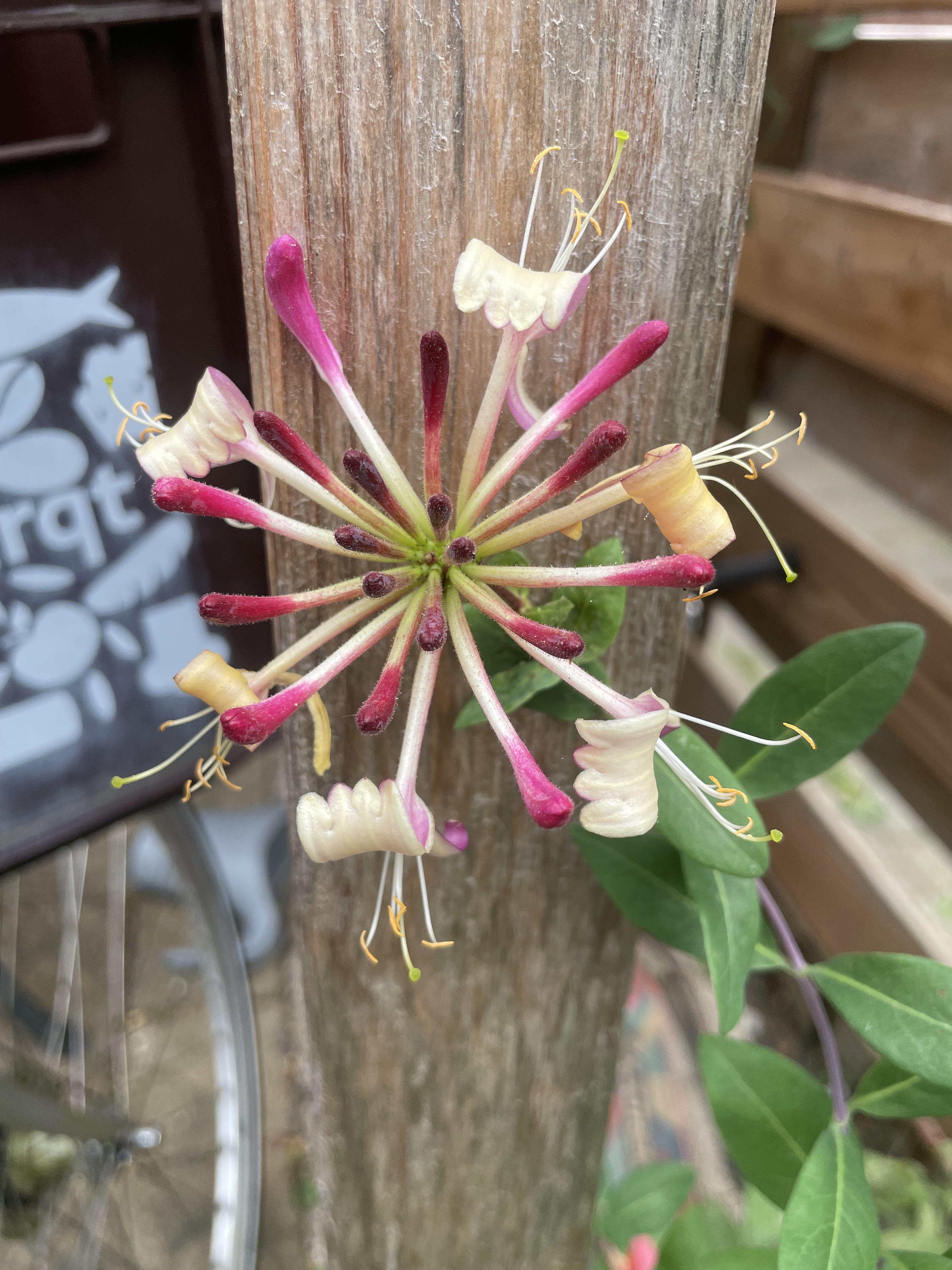
So, in 2026, I will set up some new climbing frames on smaller facades so I can have more green leaves and colourful flowers around the house and shed.
I also want to experiment with combining climbers that flower at different times of the year. A pruning challenge in exchange for an extended display. They will be a special treat and the focal points of the garden, though.
Upgrade a Corner To A Tiny Fruit Forest
It won’t be a literal fruit forest, considering its modest size (45 cm x 150 cm). Yet, the ambition is to have more fruits in several layers.
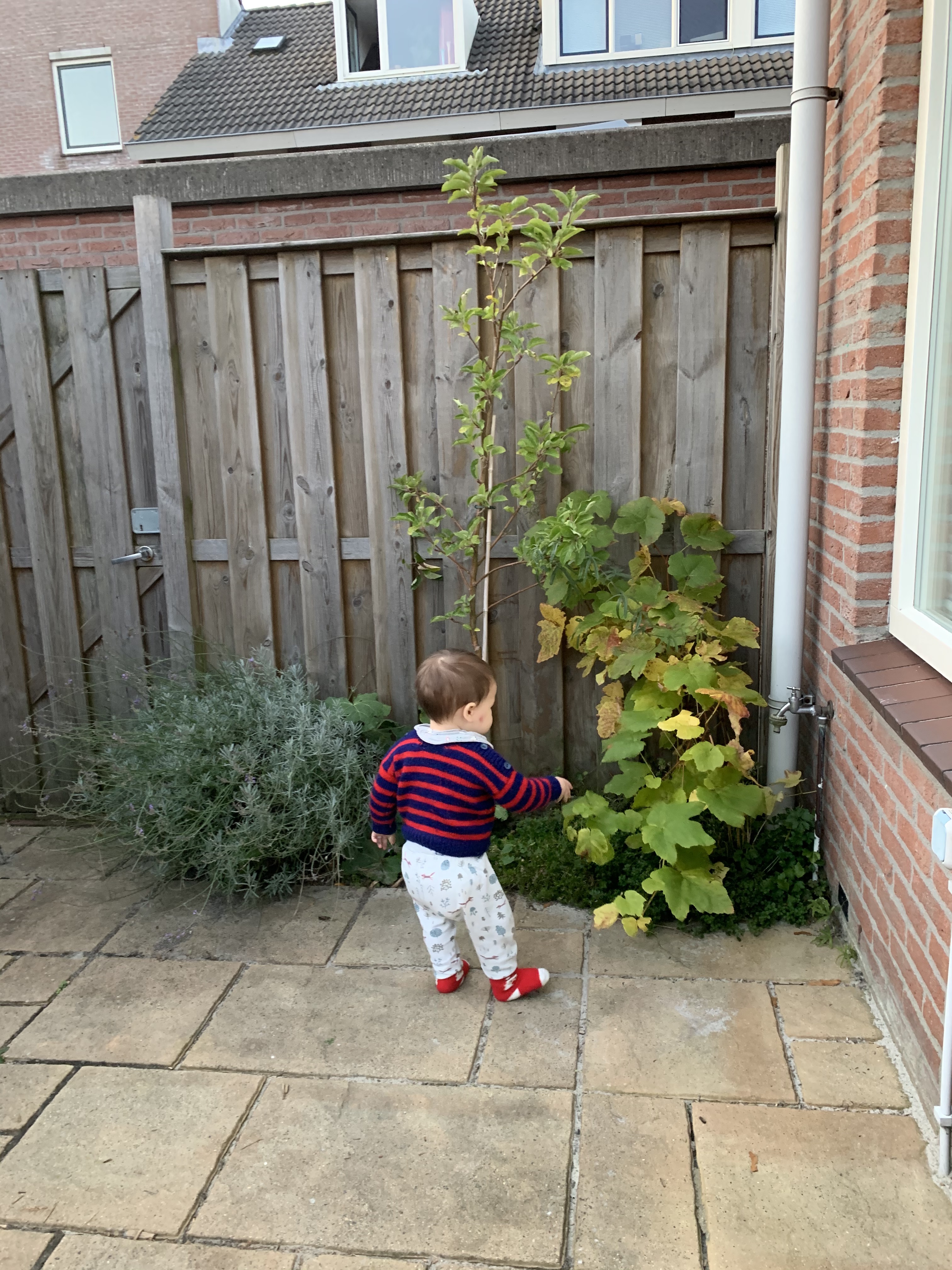
When we first moved in, this patch had a young apple tree, a small grape vine, a big lavender bush, and a host of herbaceous plants.
The situation in 2025:
- The apple tree grew tall and was laden with red apples over the summer.
- The grape vine had long gone. A red currant bush took its place (roughly).
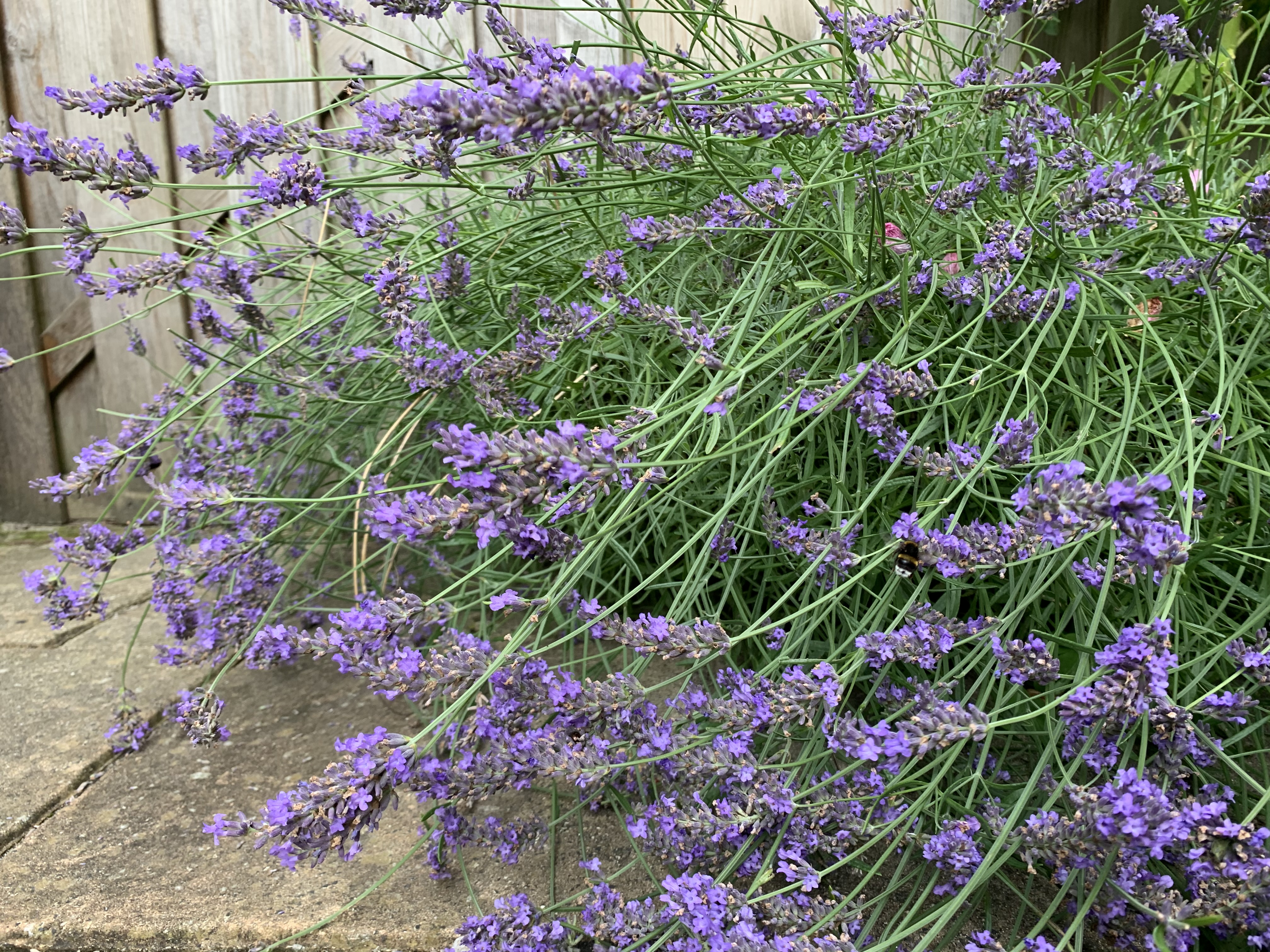
- The lavender bush became very woody, still flowering, yet creating a rather untidy visual.
- The ground cover campanula expanded to both sides of the fence, protecting and colouring the soil.
And the plan for 2026 is to
- Dig out the lavender bush and put in the younger plants propagated and grown over the last two years as replacements.
- Plant a fruit vine (kiwi), taking advantage of the sunlight hours and support from the fence.
- Add a gooseberry bush, together with the current red currant, to make up the middle layer of fruits.
- Dig out some campanula plants to pot up for friends while letting the rest continue to spread.
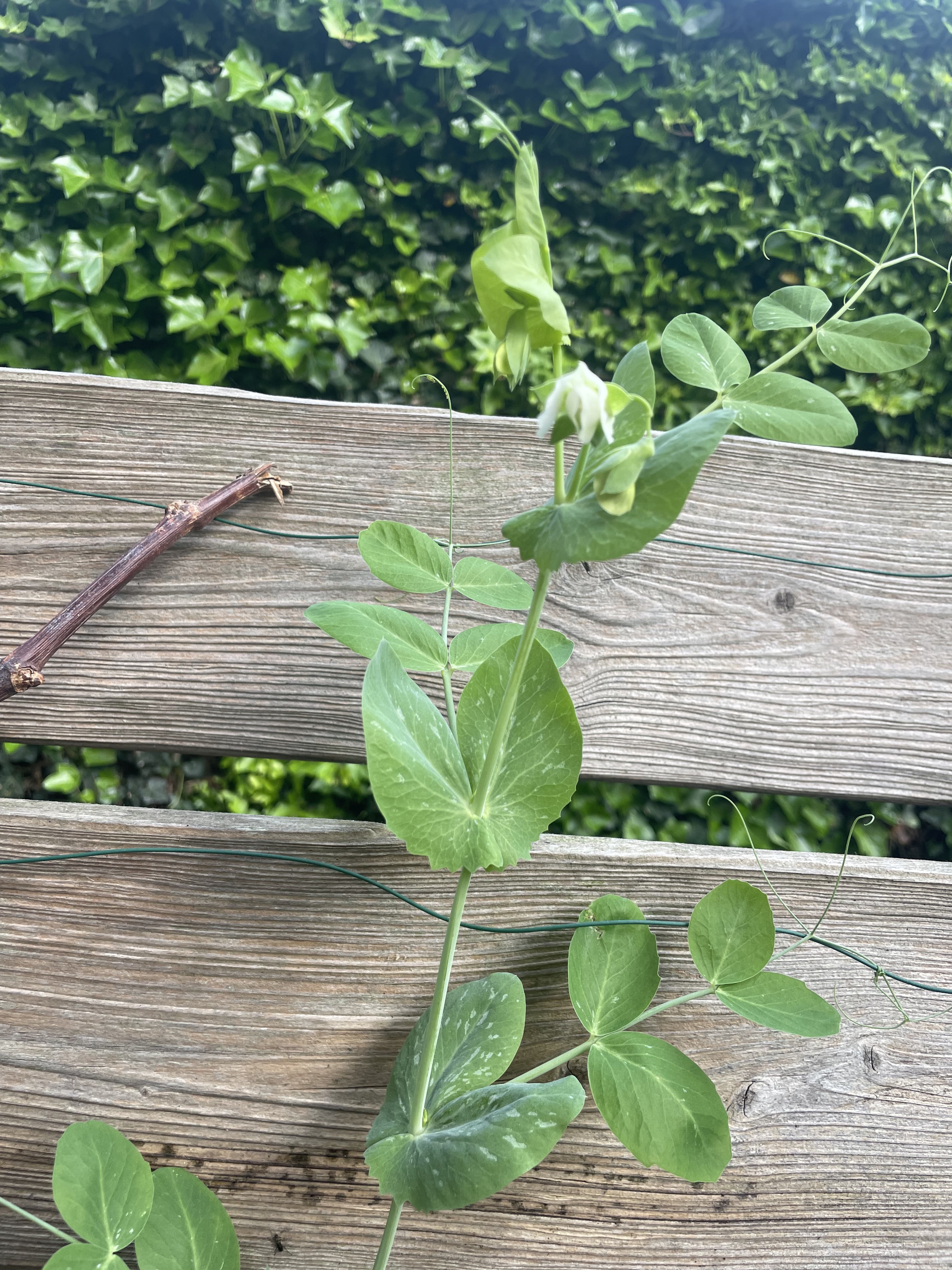
Test Out More Legumes, For The Soil
I had two pea plants last year. They didn’t grow tall, big, and bountiful because they were squeezed into tiny spaces in the garden’s shady parts. But I appreciated the beautiful flowers.
And I know they had helped to boost nitrogen levels in the soil.
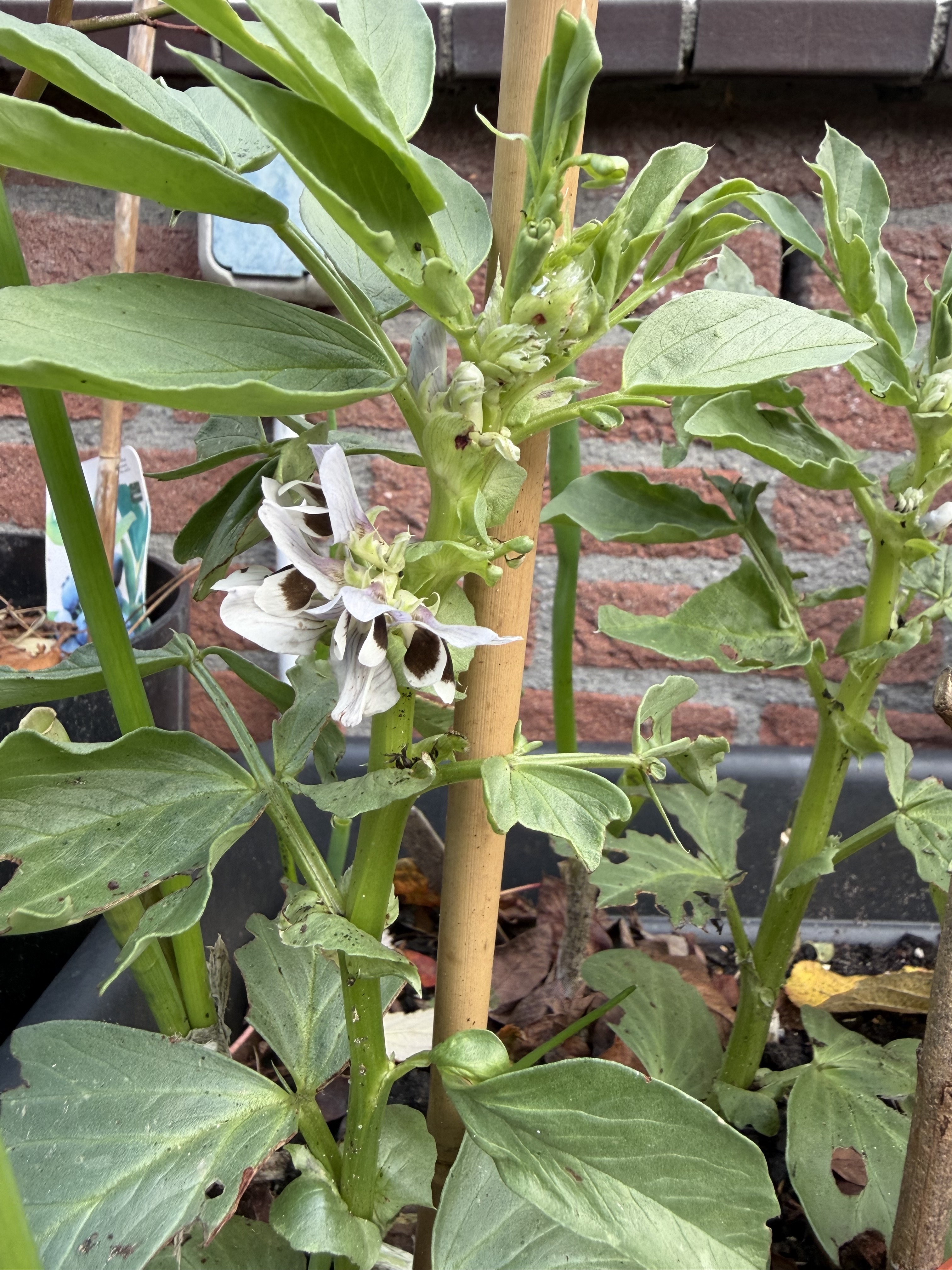
So in 2026, I planned to expand the legume group, growing broad beans and garden peas in various spots throughout the garden.
The idea is simple:
- Grow legumes.
- Let them complete their cycle.
- Cut them down and leave the roots to rot in the soil.
This feeds soil organisms naturally and adds nitrogen without digging or disturbing the soil. Slow and intentional gardening.
Using Repetition to Make the Garden Look Bigger
In 2026, I want to try out repetition in my small garden.
In more words, that means:
- Repeating the same plant varieties in different spots
- Using the same pot styles or materials
- Echoing shapes, heights, and textures across the garden
I would love to use repetition to create rhythm and calm, and to make my small garden feel bigger and more cohesive.
So, for now, here are my gardening resolutions for 2026
- Fewer containers, better soil
- More green, less clutter
- Intentional design, and
- Letting plants (and the garden) settle into themselves


 Grow More With Less
Leave a comment