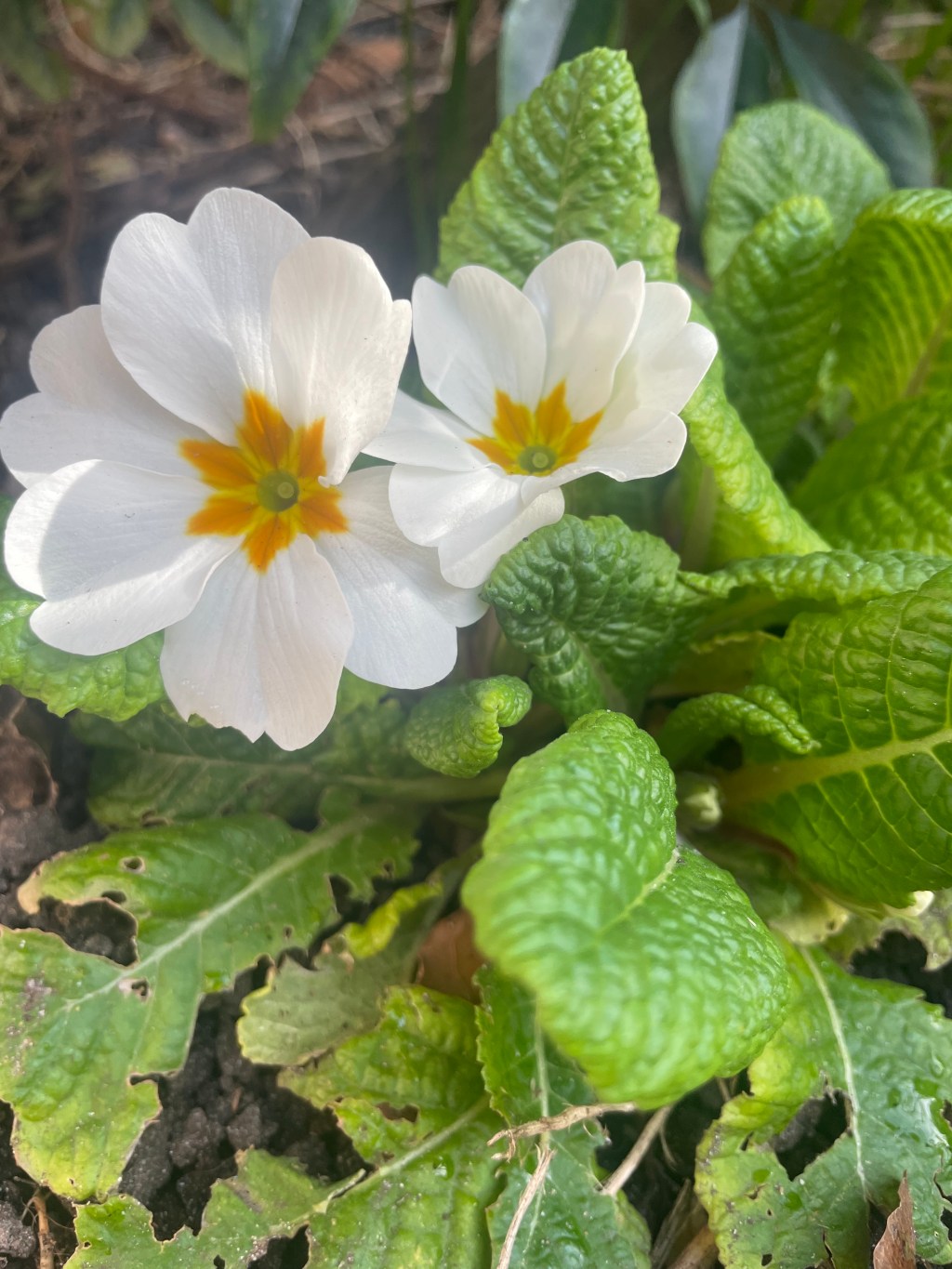
Today is my birthday 🎂🎈🌵
A few years ago, I started a tradition of buying plants as a present to myself on my birthday. (Or if others want me to get something on their behalf 😋)
It’s a very good excuse to do some extra research and learn about new plants. A vine with pretty flowers in the early spring? A new soft fruit shrub? Or some herbaceous plants that thrive in the shade and withstand slug attacks?
This year, I’m focusing on the last one, as I plan to lift some tiles in my shaded front garden and replace it with something pretty (and green).
So here is not one plant but a series of shade-tolerant plant lists. (Because I fell down a rabbit hole as usual when I did the research).
Why Do You Want These Lists Of Shade-Tolerant Plants
Shady corners are often seen as problem areas in small gardens. They’re where plants struggle, weeds creep in, and bare soil stubbornly refuses to look intentional. But in reality, shade isn’t the issue — plant choice is.
With the right plants, even the darkest corners can become productive, beautiful, and surprisingly low-maintenance. Whether you’re growing food, foliage, flowers, or seasonal interest, shade can work for you rather than against you.
Small Gardens Have Many Shaded Corners
Walls, fences, sheds, and tall trees all create shade — especially in compact spaces. Instead of fighting these conditions, why not work with them?
Choosing plants adapted to lower light levels means:
- healthier growth
- less watering stress
- fewer failures
- a more settled-looking garden
It’s the classic principle of the right plant for the right place.
Intensive Planting Should Include the Shadiest Grounds
Shade-tolerant plants are ideal for intensive planting, where plants grow close together to:
- suppress weeds naturally
- protect soil from drying out
- make the garden feel fuller and more intentional
- offer the opportunity for visual interest during low seasons
In small gardens, every square metre matters — and shaded ones shouldn’t be wasted.
Not All Shades Are Equal
It’s important to talk about the nuances of shades. There is full shade, receiving 2 hours or less of direct sunlight a day. Such a place won’t work for, say, sun-loving tomatoes. Yet, ‘full-shade’ and ‘tomato’ are both at the extreme of their spectrums. And the spots in between are where you can work with.
In general, you can think of shade in three groups:
- Light Shade
- Meaning: areas with patches of sun and shade intertwining
- Example: the ground around the trunk of a tall tree with light foliage
- Potential: The list of plants that grow well in light shade is decently long.
- Partial Shade
- Meaning: areas that have some hours of sunlight. It could be two hours or six hours, often changing with the seasons.
- Example: the south side of a fence
- Potential: a preferred location for many herbs, vegetables, and (woodland) perennials
- Full Shade
- Meaning: areas with little sunlight
- Example: the ground under dense evergreen cover or the north side of a building
- Potential: not suitable for most edibles, but okay for many pretty-looking plants
Edible Herbs and Vegetables for the Partial Shade
Deep shade might not work well for growing vegetables, soft fruits, and such.
Yet, partial shade and dapple sunlight are actually okay for many edible plants.
Some plants on this list even have more sustained growth in partial shade, especially through warmer months. It means they keep producing leaves for many months instead of bolting, flowering, and then dying off.
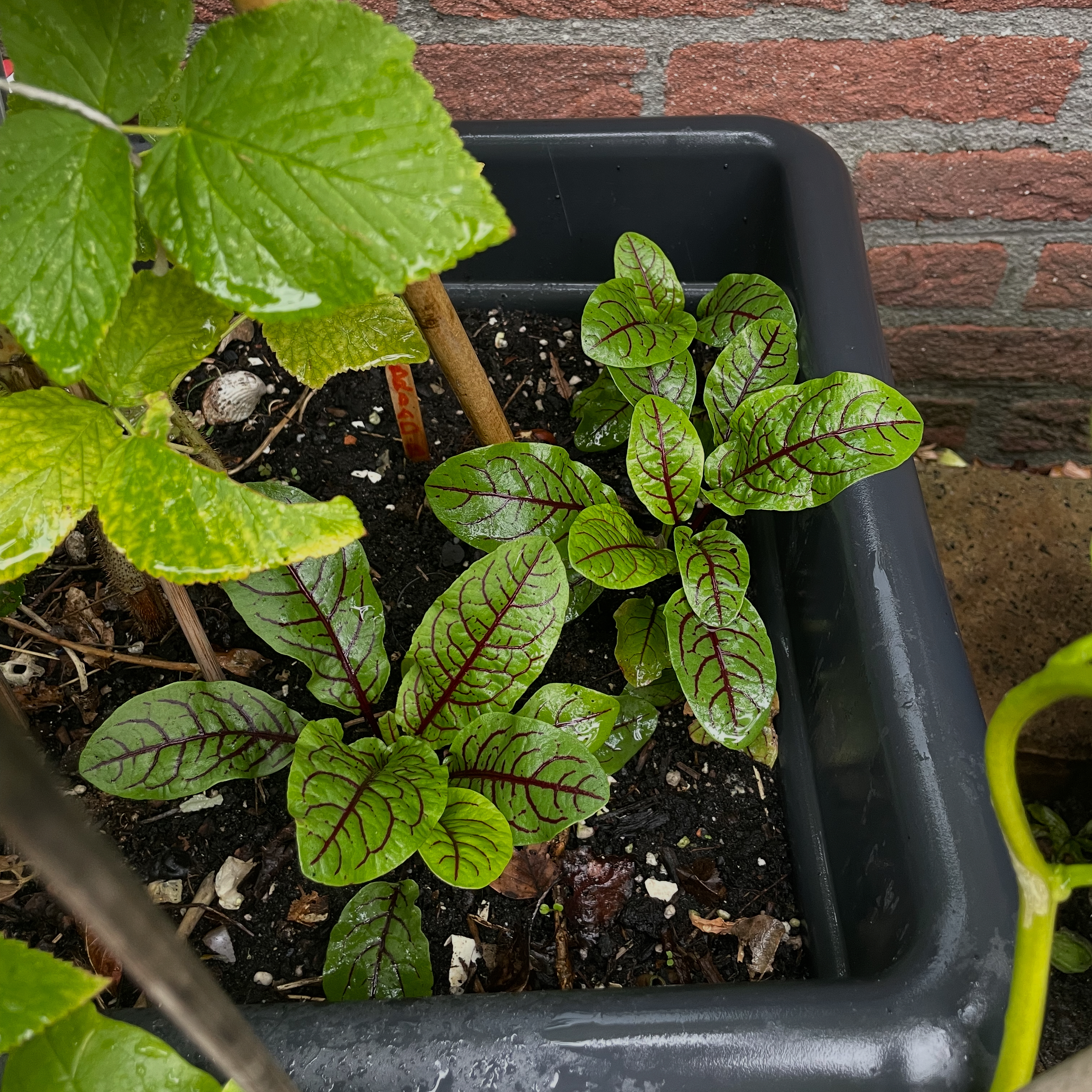
- Sorrel – A perennial leafy green that thrives in shade and provides lemony leaves year-round.
- Wild rocket – Grows well with limited sun, especially in cooler conditions.
- Chives – Compact, perennial, and reliable even with limited sun.
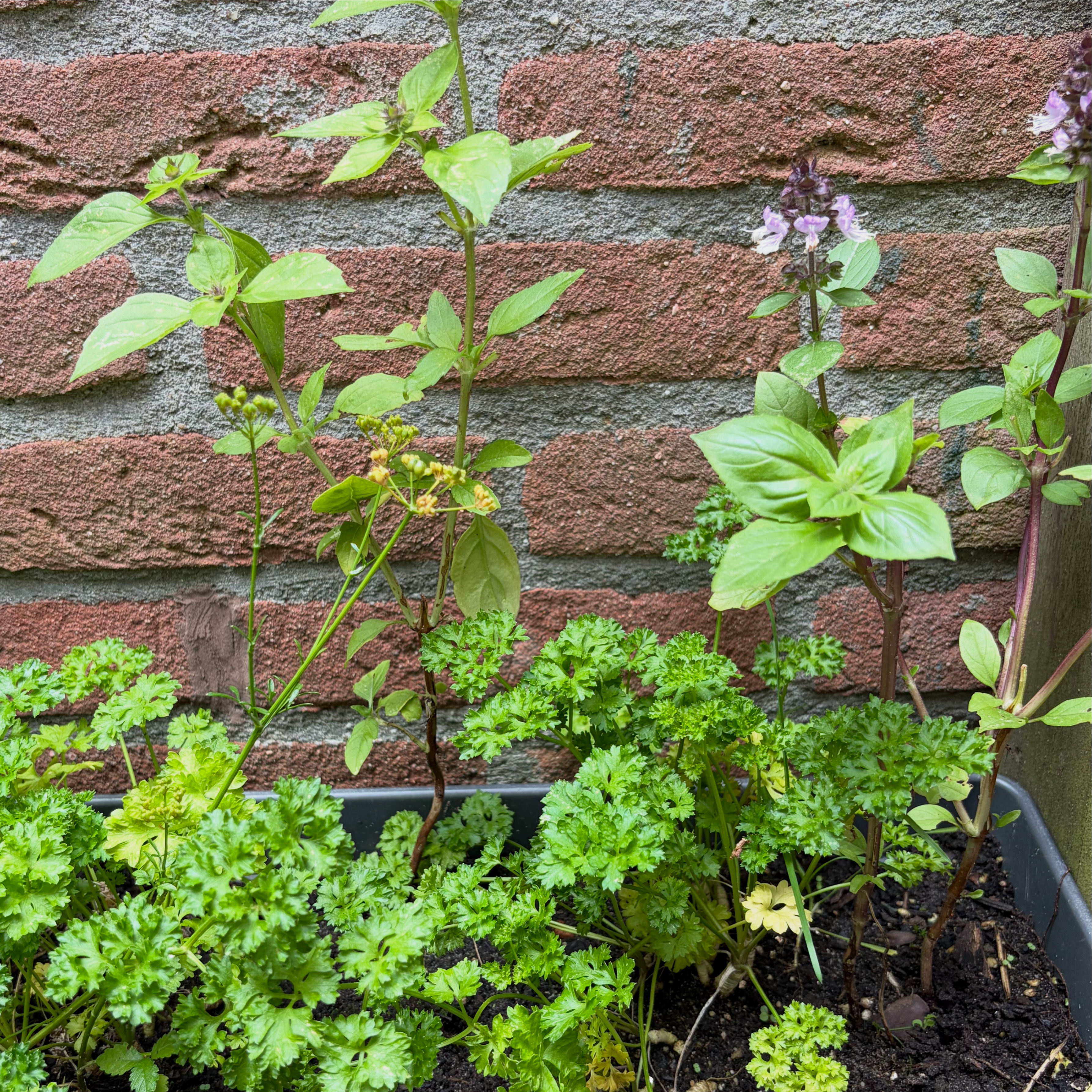
- Parsley – Slow-growing but happy in partial shade.
- Mint – Prefer a shady afternoon condition when the temperature rises.
- Chard – Similar to mint in that it prefers spots with shade in the afternoon.
- Also, other cut-and-come-again leafy crops like mizuna and mustard greens cope well with dappled shade.
Ornamental Plants for the Shade
A shady corner can house some of the most elegant plants, offering both beautiful flowers and foliage. Some of these plants would also grow well in deep shade, even if flowers might be more scarce.
- Ferns – The ultimate deep-shade plant, available both as evergreen and deciduous. While evergreen ferns keep their foliage through the winter, deciduous varieties die back completely yet reliably come back in spring.
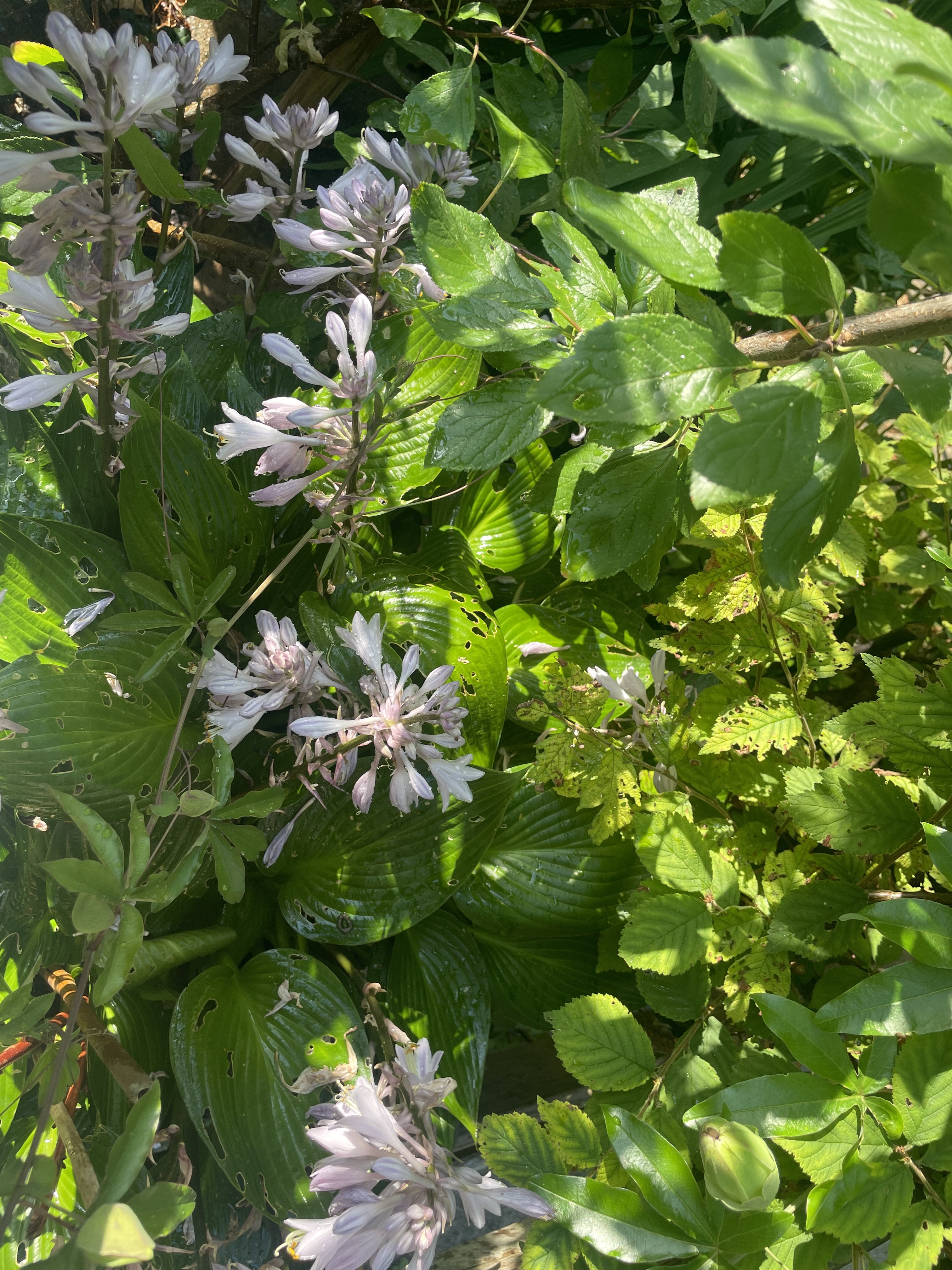
- Hosta – Excellent foliage interest in greens, blues, and variegation. Note that hosta is vulnerable to slugs (which also thrive in the shade), so keep the guard up and do frequent checks.
- Coral bells – Shade-tolerant ground covers with colourful leaves ranging from lime to burgundy.
- Brunnera – Heart-shaped leaves and tiny blue spring flowers that reliably come back every year in the shadier corners.
- Pulmonaria (lungwort) – Early flowers and beautifully spotted foliage. An alternative to hosta in slug-prone gardens.
- Japanese anemone – Late-season flowers for light shade.
Low-Maintenance Herbaceous Plants for the Shade
If you want plants that quietly do their job without fuss, these herbaceous perennials are ideal. Grow them as ground cover to preserve water and add seasonal interest.
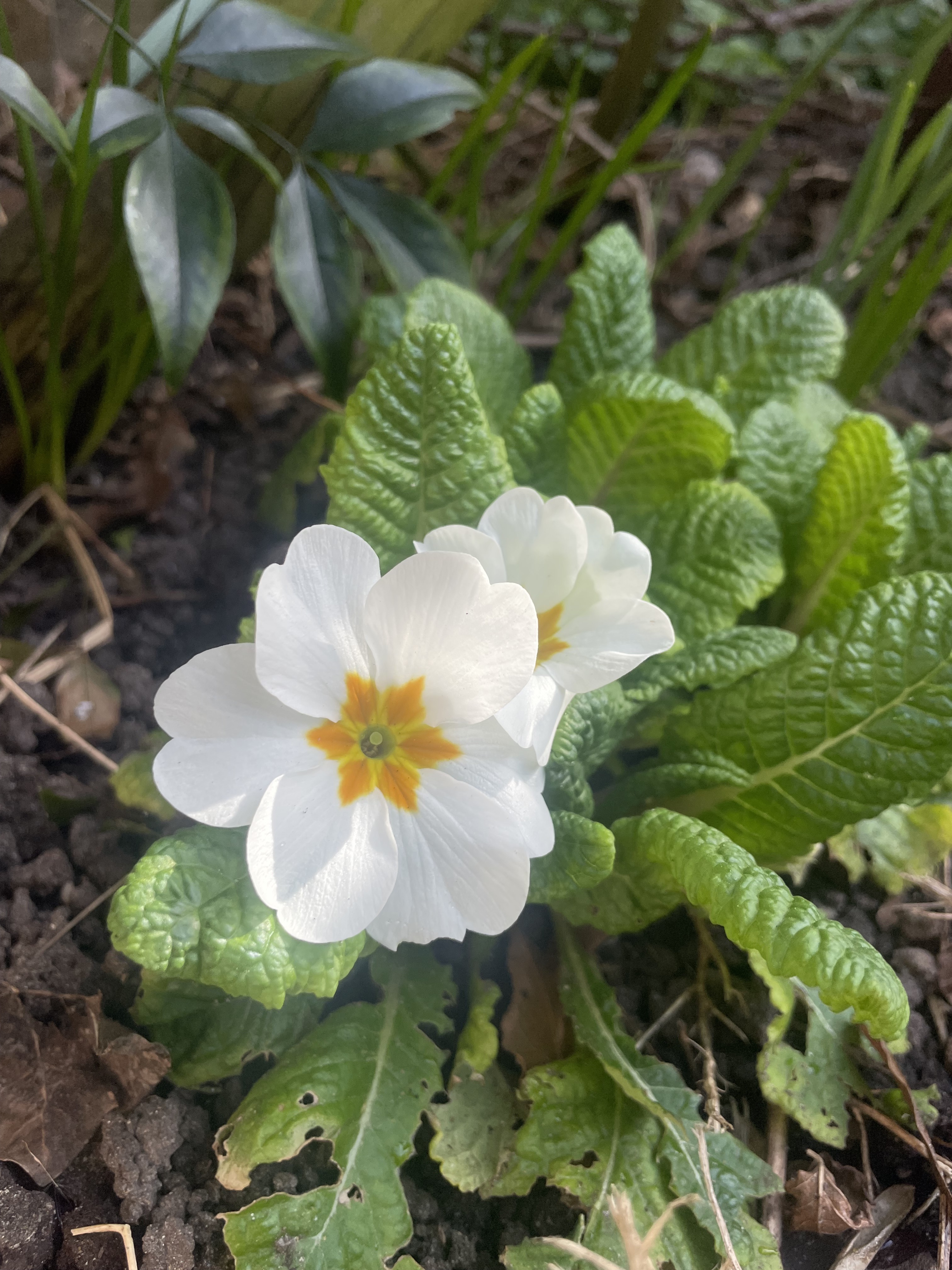
- Primerose – low-growing plants offering flowers during the cooler months
- Ajuga (bugleweed) – Low-growing ground covers that pair well with spring flowers and thrive in light, dapple shade.
- Campanula – Easy and accommodating, many campanula varieties thrive in the shade, spreading happily and flowering more than one time in a year.
- Shade-tolerant hardy geranium – many hardy geranium varieties spread steadily, suppress weeds, and tolerate (dry) shade.
- Lamium (spotted dead nettle) – Brightens shade with silver-patterned leaves. These plants grow well under trees in a woodland setting.
- Ferns – Perfect for deep shade and moisture retention.
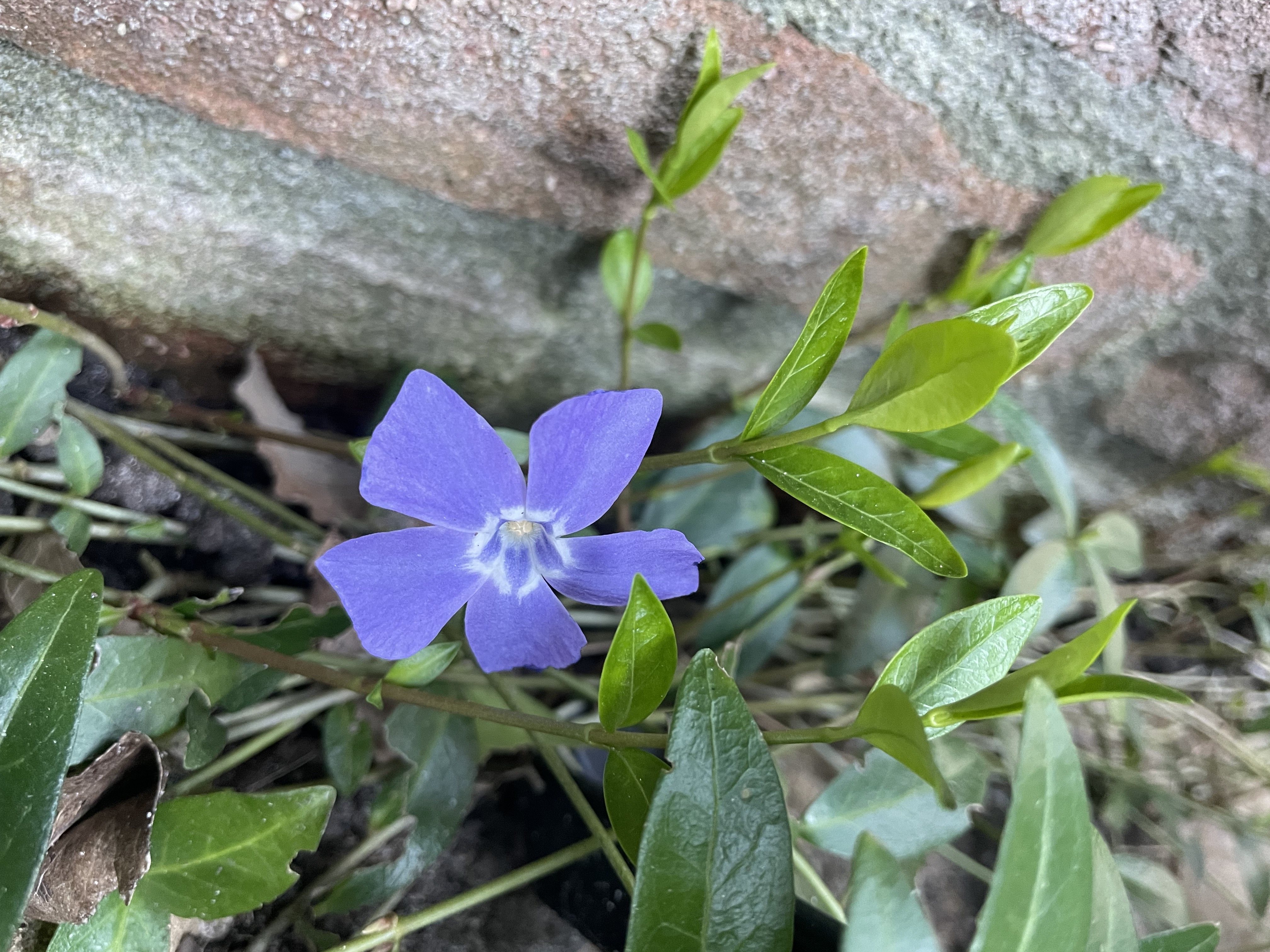
- Vinca minor (periwinkle)– Reliable and compact, with spring flowers coming out from the deepest shade
Low-Maintenance Shrubs for the Shade
Shrubs bring structure — something shady corners often lack.
- Hydrangea – Thrives in partial shade with consistent moisture.
- Sarcococca – Evergreen with intensely fragrant winter flowers.
- Skimmia – Compact, evergreen, and great for containers.
- Aucuba japonica – Tolerates deep shade and poor conditions.
- Mahonia – Bold foliage and winter flowers.
- Box (Buxus) – Excellent for low structure in shade (where disease pressure is lower).
Shade-Tolerant Plants for Cold-Season Display
Shade doesn’t have to mean dull winters. Some plants truly shine when the garden is quieter.
- Hellebores – Winter and early spring flowers in partial shade.
- Primrose – low-growing plants offering flowers during the cooler months
- Evergreen ferns – Texture and structure through winter.
- Heuchera – Foliage colour remains strong year-round.
- Skimmia – Red berries and glossy leaves in winter.
- Ivy – Reliable evergreen coverage.
- Sarcococca (Christmas box) – Adds fragrance when little else does.
Final Thoughts: Shade Is an Opportunity, Not a Limitation
Shady corners don’t need fixing — they need understanding. Once you choose plants suited to low light, those awkward spaces become calm, layered, and productive parts of the garden.
Whether you’re planting for food, foliage, flowers, or winter structure, shade offers some of the most resilient and rewarding plants available, also for the tiniest garden.


 Grow More With Less
Leave a comment