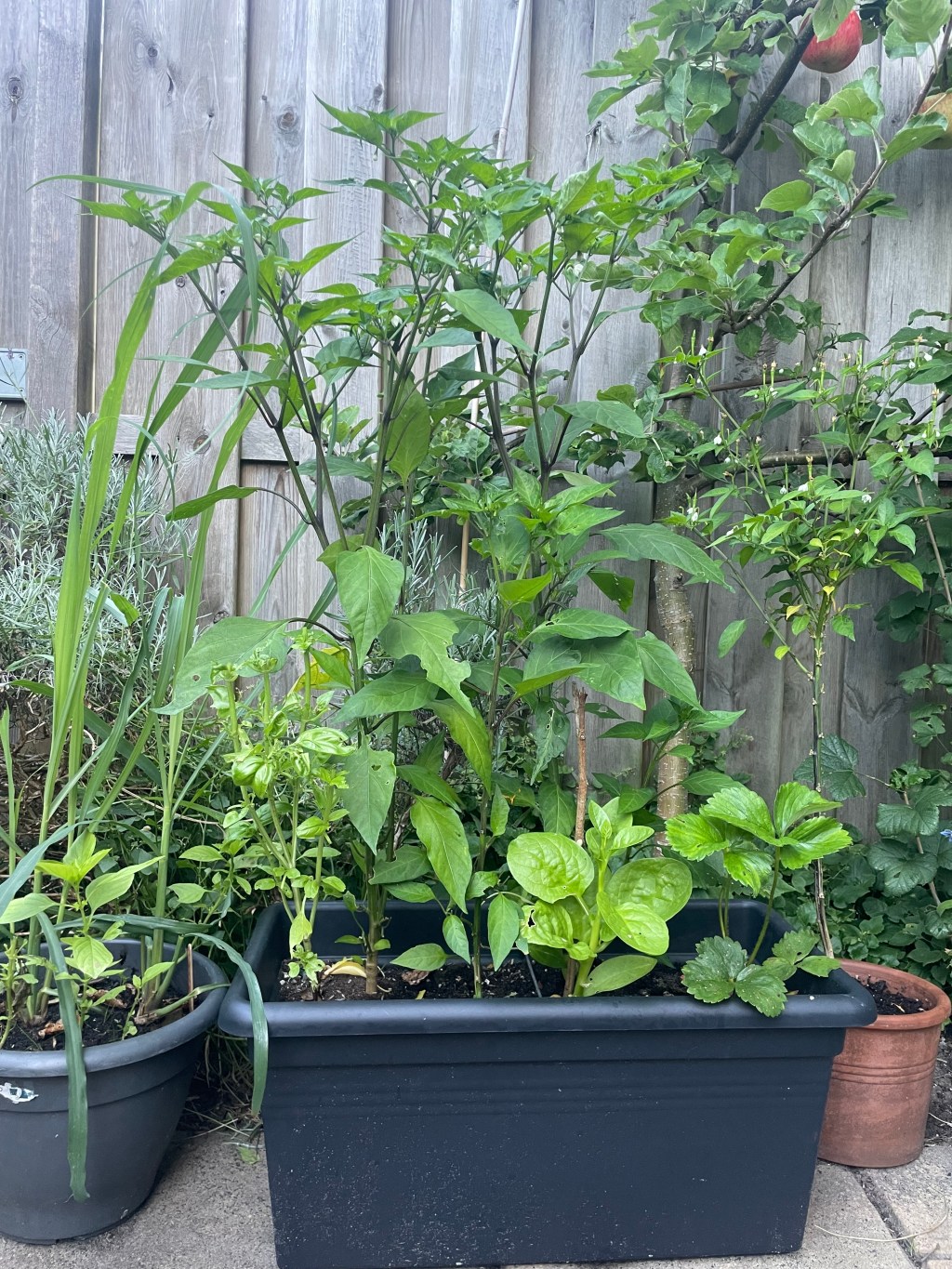
It’s arguably easier to design a small garden. When you can see all four corners of your gardening space in a single view frame, the task of visualising all components that fit within it seems less daunting.
The problem is that many small-space gardeners start out with “what to grow in a couple of pots”, not “which layout allows a reasonable size greenhouse and a couple of raised beds”.
If you haven’t got the chance to design your garden from scratch and now find yourself with a rather clustered-looking space, you can still fix it in this new year.
With these 5 simple changes in how to use containers, you can design out the cluster look and visually expand your space. You can create depth, increase height, and add aesthetics by using the right containers for the right (group of) plants.
Use Fewer, Larger Pots Instead of Many Small Ones
There’s often a good reason behind having multiple small pots housing individual plants, especially if you garden in a small space.
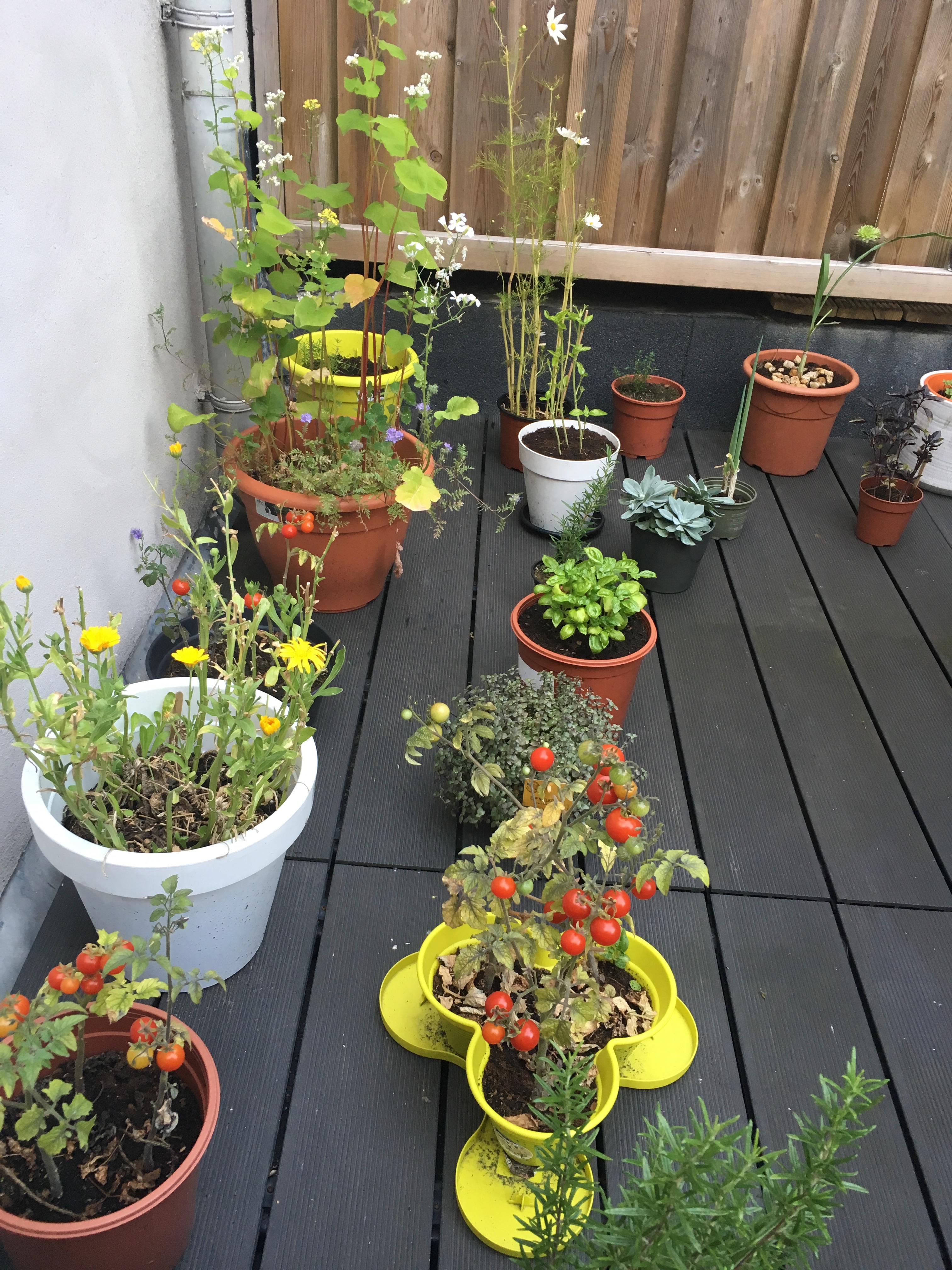
Small-sized containers are more readily available, take up less space,and cost little, if anything, with a plant purchase. You don’t need to plan ahead for space or budget when it comes to grabbing a 15-cm pot during a little stroll around a garden centre.
Small pots tend to be the first things you own since you get them with the seedlings from the garden centre. Then, you can reuse them for plants you sow from seed. Gradually, they become as familiar as a family member 😋, and you are reluctant to set them aside or replace them with bigger containers.
But it’s time to act counterintuitively: Aim for the biggest containers you can afford and find room for. You want something that will fit two, three, or more of the plants currently housed in small pots dotting around your garden.
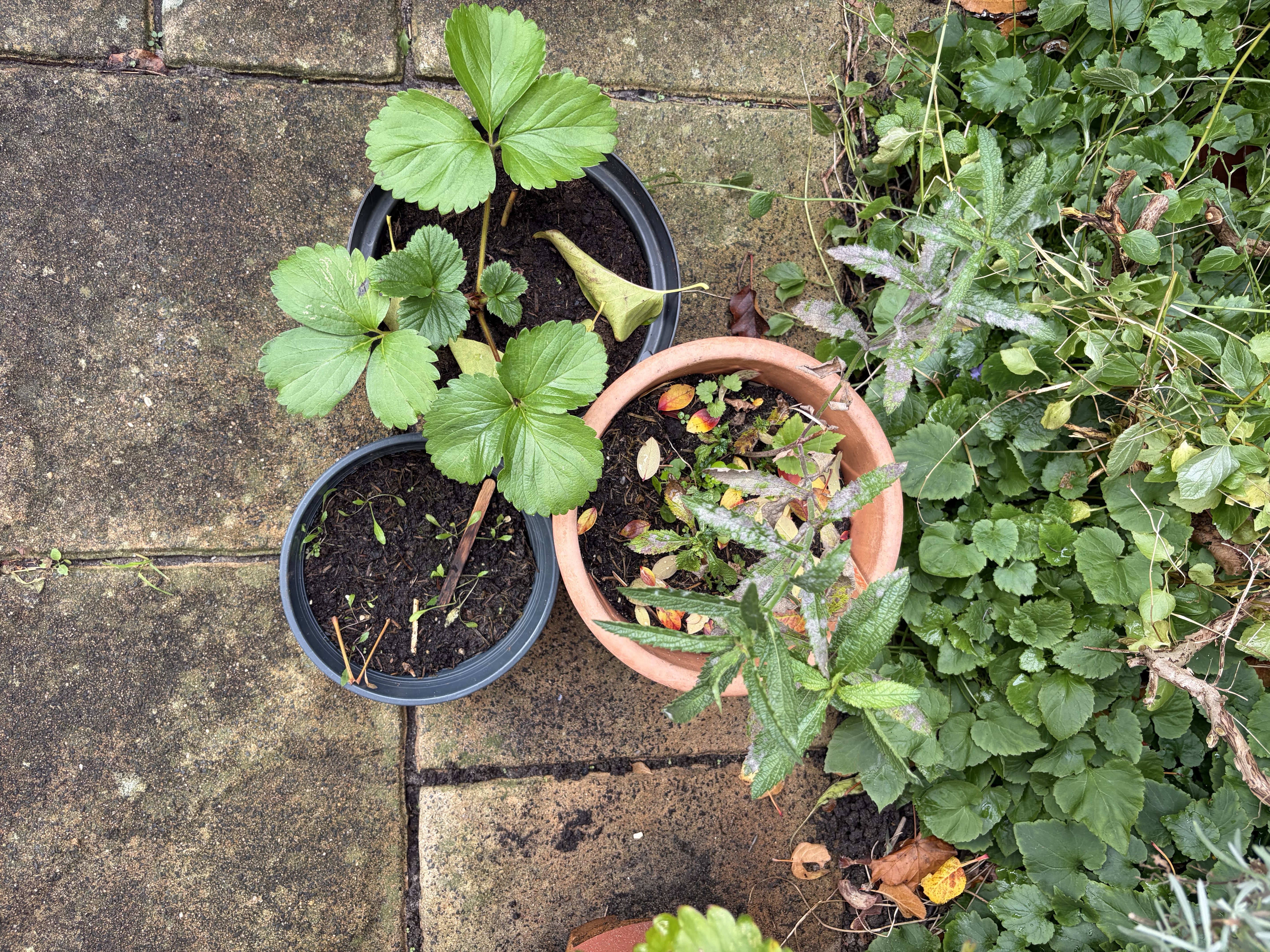
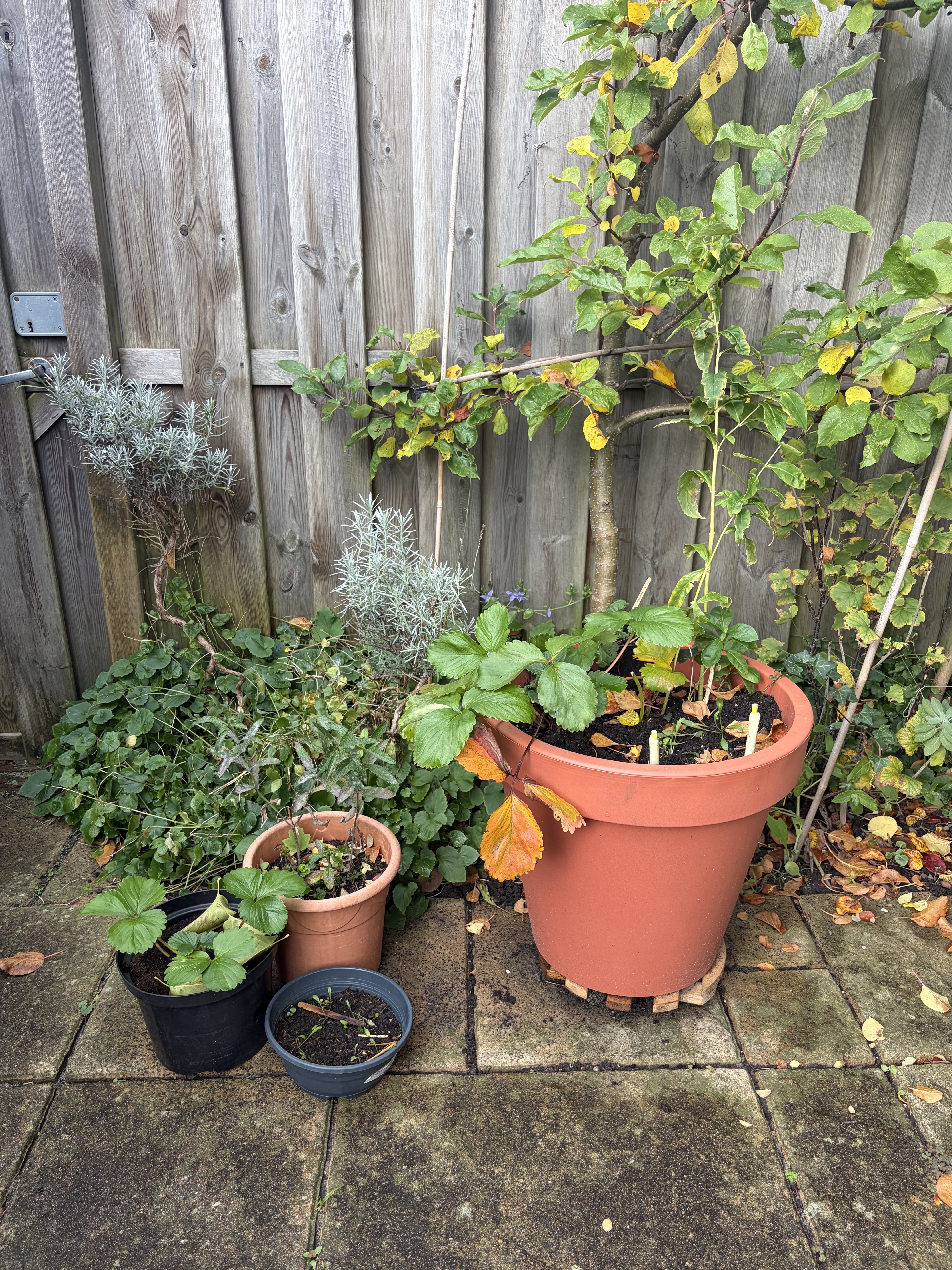
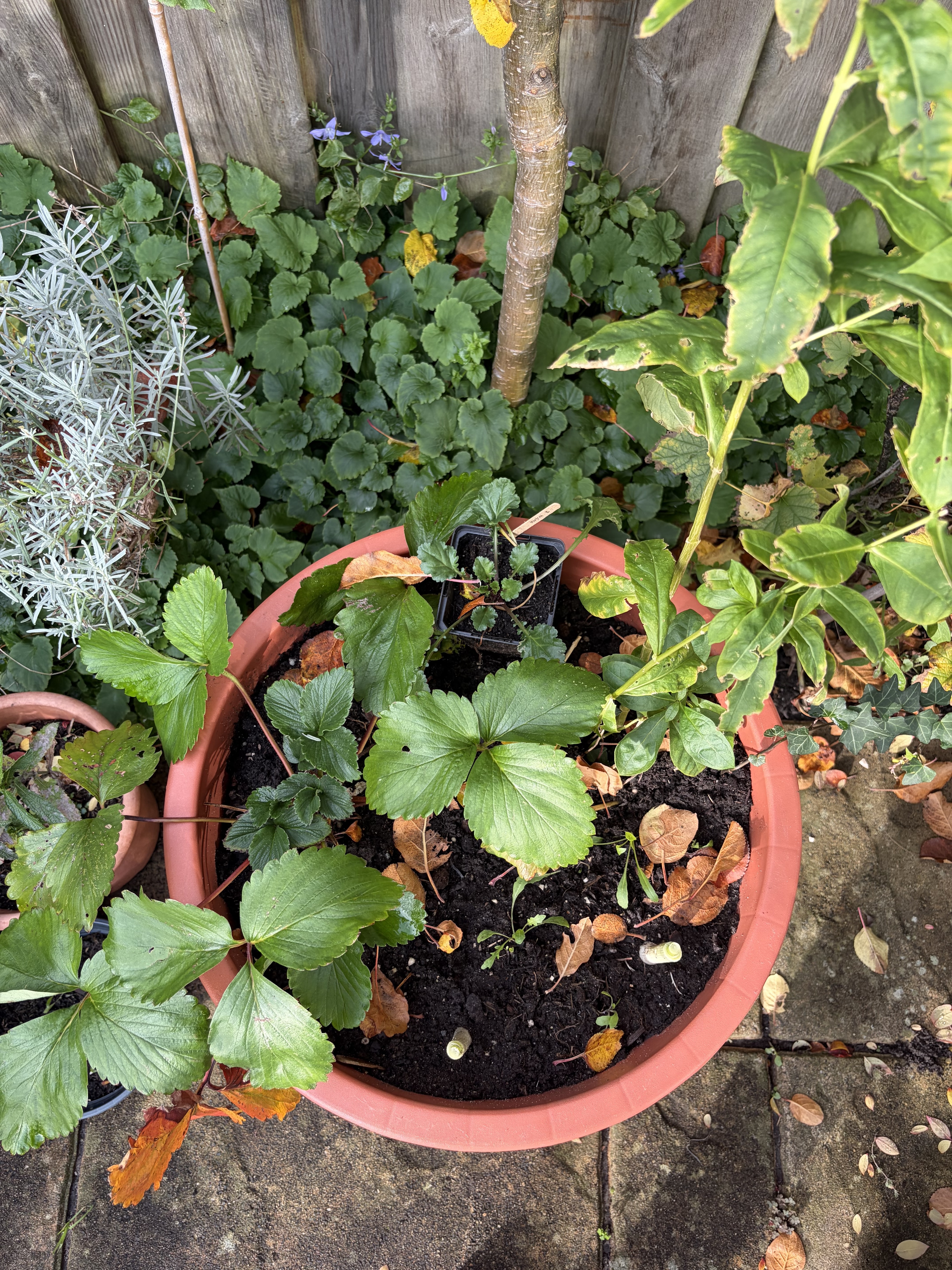
Here’s the WHY
- A few large containers (not a series of mini pots) anchor the space, create cleaner lines, and make your garden look thoughtfully designed.
- Bigger pots hold moisture longer and give plants room to thrive, reducing maintenance.
- Grouping plants into bigger containers makes better use of the space and soil capacity (aka you can grow more plants)

You can get creatively with combining plants for your designed purpose. Here are some examples:
- Grouping plants of different heights to use the most of the soil surface:
- Grouping flowering plants for continuous display throughout the year
- Grouping plants with a similar flower colour to emphasise a visual theme
Layer Heights to Increase Depth
Flat, single-level plant displays can make your garden look smaller than it is.
What you can do instead is to add dimension by layering containers at different heights: Place taller pots or plant stands at the back, mid-sized ones in the middle, and smaller trailing plants up front.
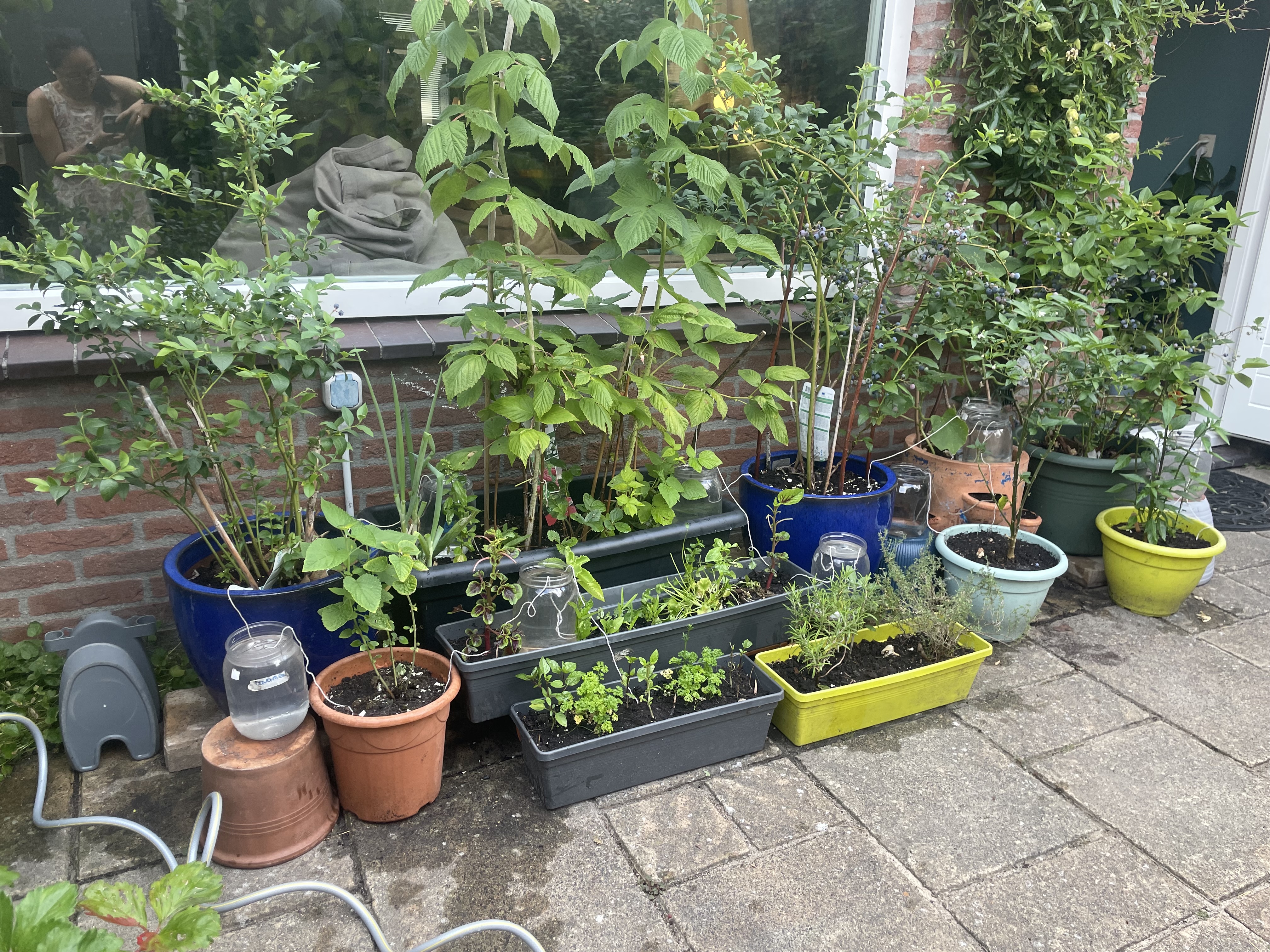
This technique draws the eye upwards and backwards, giving the illusion of depth and abundance.
Also, go even higher vertically up a wall. Use wall planters, vertical racks, shelves, or even strong branches of tall trees to stack pots at different levels. It not only maximises growing space but also turns bare walls, fences, and in-between spaces into lush green backdrops.
Use Repetition to Create Flow
Repetition is one of the most powerful design tools for small gardens.
Repeat a few key plant types or pot styles throughout the space to unify it. This repetition guides the viewer’s eye smoothly from one area to another, creating a sense of movement and cohesion that feels expansive.
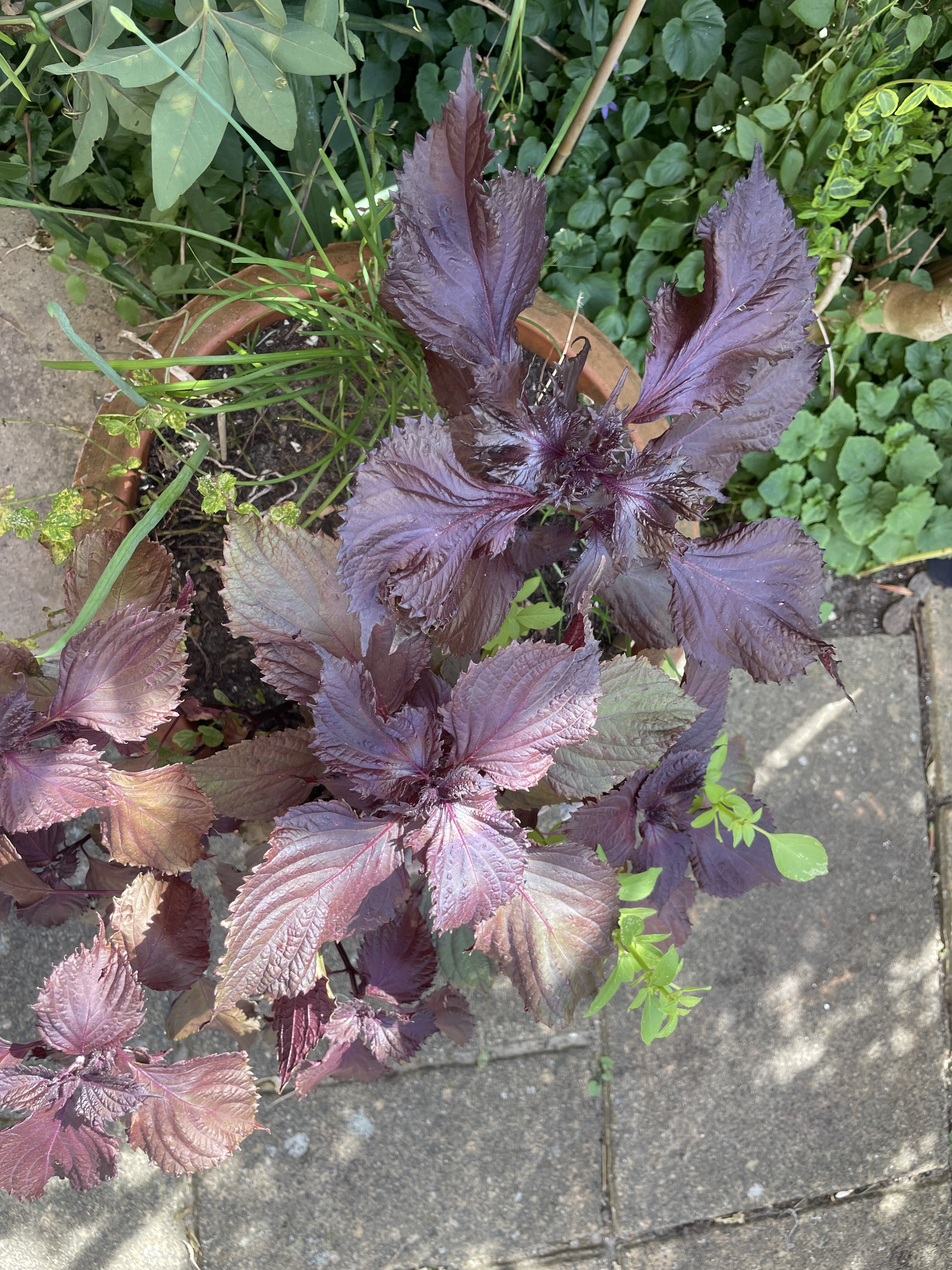
Create a Focal Point: A Container Display
You want focus points on your garden canva rather than a spead-out sameness through the space. For example, an extravagant container with sun-bright flowers (and hopefully many buzzing bees) draw the eyes away from the limitness created by fences and walls surrounding your small garden.
There are different ways to create a focal point with container display in the your garden. What you need is some consideration and ahead planning to choose the right plants that, for example,
- flower at the same time of the year
- stage vibrant colours from spring to winter
- keep their evergreen structure all year round while showing up with seasonal highlights
If you are enjoying this post, you might also appreciate our FREE cheat sheet with 12 Tested Gardening Ideas for Small Spaces.
Provide your info for a link to the downloadable resource and be opted into our email list for the (very) occasional product promotion.


Leave Breathing Space Between Containers
Crowding too many pots together makes the area look smaller. Instead, leave a bit of negative space—a small patch of floor, gravel, or tiles between containers—to let each display breathe. The gaps act like visual pauses, helping the eye appreciate the design and making the garden feel airy rather than cramped.
Think of it like punctuation in writing—without spaces, it’s all noise.
Final Tip: Think in Groups, Not Singles
By grouping your containers with intention—matching materials, layering heights, and balancing repetition with breathing room—you can create a space that feels cohesive, inviting, and surprisingly large.
In a small garden, it’s not about having fewer plants—it’s about giving every plant a well-designed stage to shine. 🌿
 Grow More With Less
Leave a comment