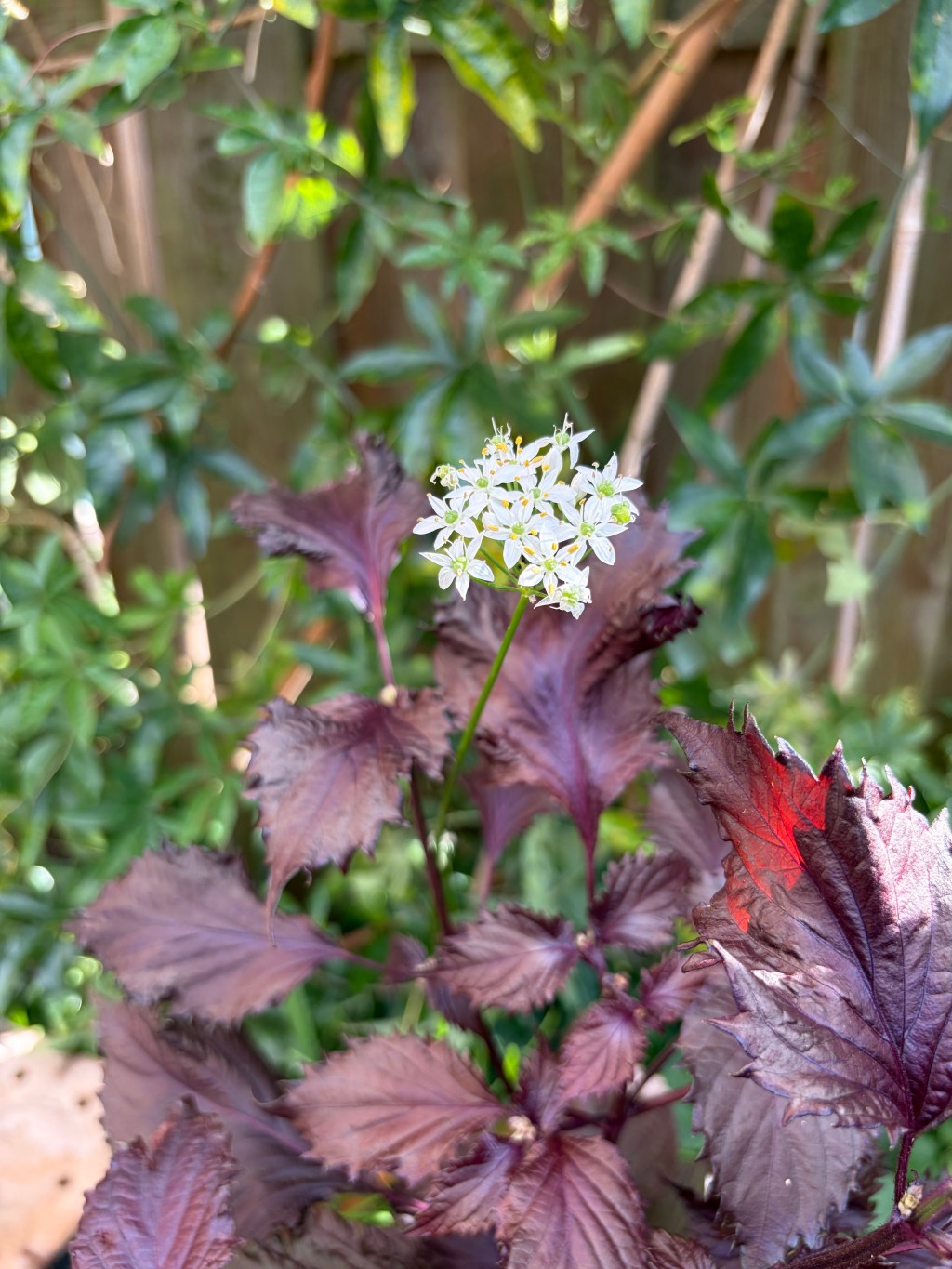
Chives is a herb I have been growing for years, partly because they are so easy to grow. From one little pot of fine chives I bought many moons ago, I have harvested so much as I pot it up, divide it out, and move the new clumps around the garden wherever it’s most convenient in the moment. I use the leaves (and flowers) in omelettes, bean salads and many other dishes.
So if you grow herbs in your garden, definitely add chives. They’re reliable, compact, productive, and quietly beautiful when in flower. You grow them in the ground, pot them up in a container, or squeeze them in between plants on a raised bed, and they will reward you year after year (with very little effort).

A quick glance (or tl;dr)
- Preferred Soil: Moist, fertile, well-drained soil with plenty of organic matter.
- Preferred Place: Full sun is ideal, though partial shade is tolerated.
- Edibility: Leaves and flowers are edible with a mild onion flavor.
- Prune Tips: Cut back to a few centimeters above the ground after flowering to encourage fresh new growth.
- Harvesting Notes: Snip leaves from the base as needed from spring to autumn for continuous harvest.
Why Grow Chives at Home
🌿 A Versatile Herb
Chives add a mild onion flavour to:
- salads
- scrambled eggs
- soups
- baked potatoes
- herb butter
- dips and dressings
Both leaves and flowers can be used in the kitchen. The flowers are particularly lovely sprinkled over salads or infused in vinegar.
🌱 They Come Back Every Year
Chives are hardy perennials. In winter, the leaves die back, but the roots survive underground. As soon as spring arrives, fresh green shoots reappear.
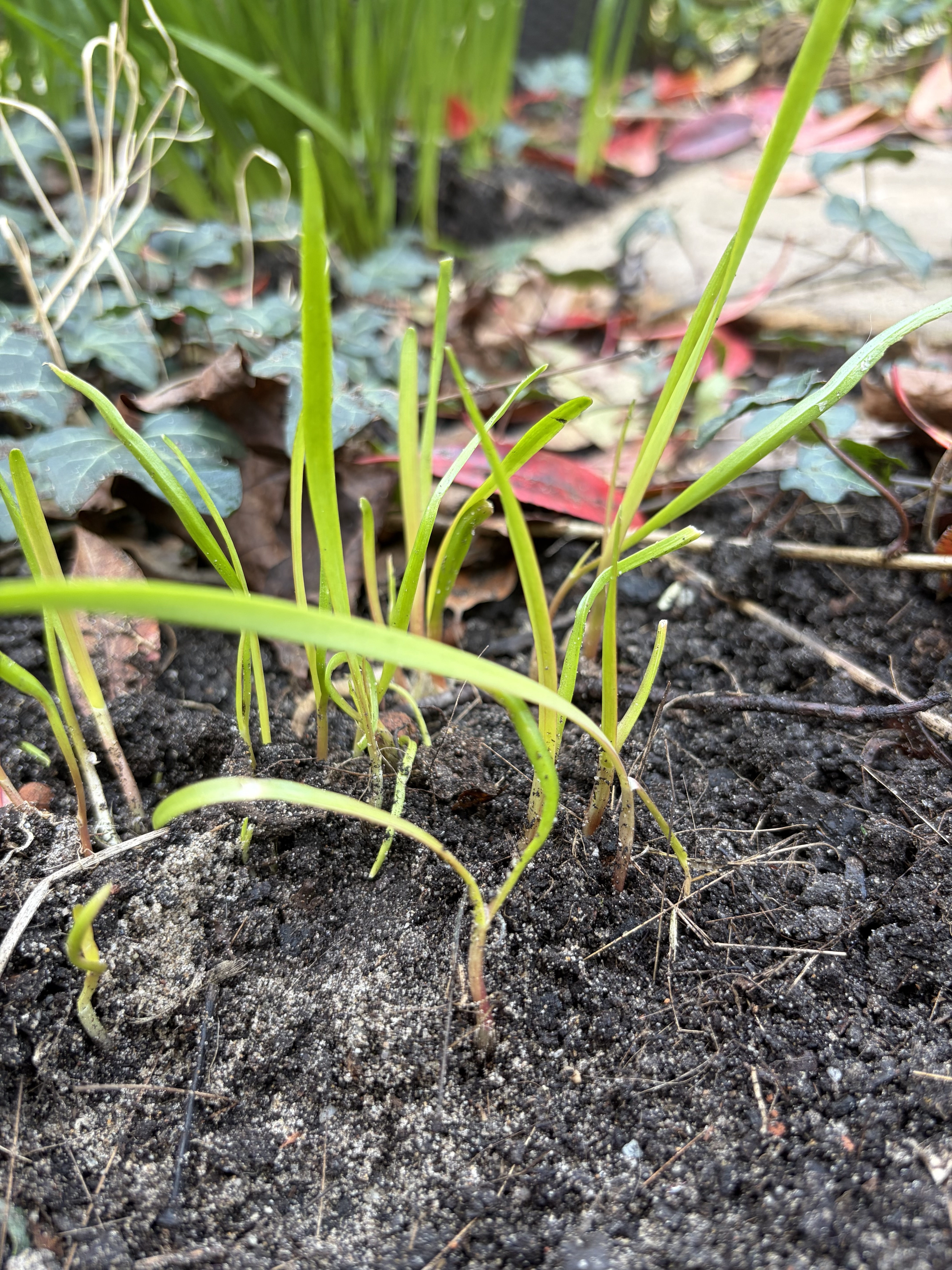
Plant once, and you’ll harvest for years.
🌿 Easy to Propagate by Dividing
Chives grow in clumps. After a year or two, you can simply lift the plant, divide it into smaller sections, and replant them elsewhere.
That means:
- buy once
- multiply for free
- share with neighbours and friends
- fill gaps in your garden
How to Set Up for Planting
The Easiest Way to Start (Seeds or Seedlings?)
In a home garden with limited space:
- Seedlings (small plants) are the easiest option. They establish quickly and give you harvests sooner.
- Seeds are cheaper and satisfying, but take longer. Sow in spring indoors or directly outside once frost risk has passed.
For beginners or small gardens, starting with one healthy plant is often the simplest approach.
The Soil
Chives prefer:
- well-draining soil
- moderate fertility
- compost-enriched ground
They are forgiving but dislike sitting in waterlogged soil. Adding compost before planting helps retain moisture without suffocating roots.
If you are enjoying this post, you might also appreciate our FREE cheat sheet with 12 Tested Gardening Ideas for Small Spaces.
Provide your info for a link to the downloadable resource and be opted into our email list for the (very) occasional product promotion.


Location: Sun or Half Shade?
Chives grow best in:
- full sun (stronger growth and more flowers)
- light partial shade (especially in hotter summers)
Chives are adaptive, though. In small gardens where light shifts throughout the day, chives can still grow reasonably well (even if there are fewer flowers).
Growing Medium: Ground, Container, or Raised Bed?
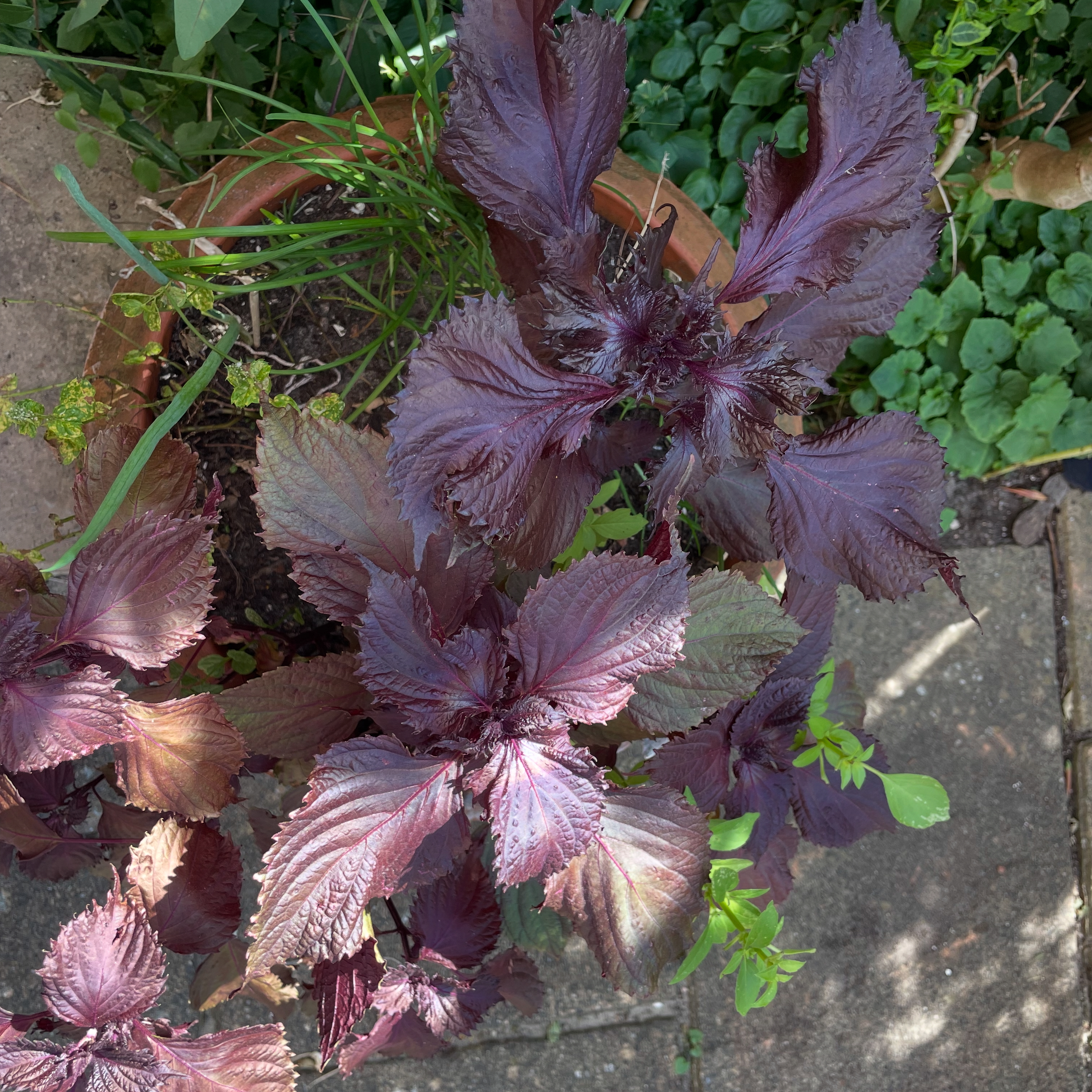
Chives are wonderfully flexible.
In the Ground
- Ideal for borders or edging
- Works well near vegetables to attract pollinators
In Containers
- In their own pot (at least 15–20 cm deep) or in a mix herb container of a bigger size
- Ensure drainage holes
In Raised Beds
- Easy to manage and divide
- Combine with leafy greens and other herbs
They also work beautifully as edible edging plants.
Plant Care
Chives are low-maintenance, but a little attention goes a long way.
Watering
- Keep soil lightly moist during active growth.
- Containers need more frequent watering than ground-grown plants.
- Avoid waterlogged in winter by reducing (or stopping) the water and putting the containers higher up on a stand.
Established plants tolerate short dry periods but perform best with consistent moisture.
Feeding
- Add compost in spring.
- A light organic feed once or twice during the growing season is enough.
Too much feeding leads to lush but weaker growth.
Protecting
Mulch
- Apply compost or leafmould around the base in autumn to protect roots and improve soil.
Support
- Mature flowering stems may flop; a small support cane or nearby plants can help.
Slugs
- Young shoots can attract slugs in spring.
- Use barriers, hand-picking, or encourage natural predators.
Propagating (Dividing)
Every 2–3 years:
- Lift the clump in early spring or autumn.
- Pull or cut into smaller sections (each with roots attached).
- Replant immediately and water well.
Dividing keeps plants vigorous and prevents overcrowding.
Common Problems
Chives are generally trouble-free, but you may encounter:
- Yellowing leaves – Often overwatering or poor drainage.
- Weak growth – Time to divide the clump.
- Mildew in crowded plants – Improve airflow by thinning.
Because they’re part of the onion family, pests and diseases are relatively limited compared to many other herbs.
Harvest
Harvesting regularly keeps plants productive.
- Cut leaves with scissors, about 2–3 cm above the soil.
- Avoid pulling leaves out individually.
- Harvest little and often rather than all at once.
You can also:
- Cut flowering stems for edible blossoms.
- Allow some flowers to remain for pollinators.
In late autumn, growth slows. Stop harvesting heavily and let the plant prepare for dormancy.
Final Thoughts
Chives are one of the easiest and most rewarding herbs you can grow at home. They take up little space, thrive in pots or soil, and return reliably each year.
For small gardens especially, they offer something rare: productivity, beauty, and resilience — all in one simple clump of green.
 Grow More With Less
Leave a comment