
In a small garden, there are only so many plants you can grow.
Sometimes it could mean swapping out beautiful flowers for boring leafy greens that got eaten ugly by slugs and snails.
But it doesn’t have to be the case all the time.
Your garden can still be beautiful with vibrant colours, even if you want to prioritise growing food.
Some edible plants are much more than their produce. The right varieties can soften pathways, expand the vertical space, and brighten containers. They add movement to borders and brighten the colour scheme across the seasons.
The concept of “edimentals” is becoming increasingly popular among small-space gardeners who want every plant to count.
Here are 10 edible plants that deserve a place not only for their flavour. I have personally grown them all and much appreciate how they elevate the look of my containers, beds, and borders.
In a small garden, there are only so many plants you can grow.
Sometimes it could mean swapping out beautiful flowers for boring leafy greens.
But it doesn’t have to be like that.
Your garden can still be beautiful with vibrant colours even if you want to prioritise growing food.
Some edible plants are much more than their produces.
Edible plants can do far more than fill the kitchen basket. The right varieties can soften pathways, expands the vertical space, and brighten containers. They add movement to borders and bring colour across the seasons.
The concept of “edimentals” is becoming increasingly popular among small-space gardeners who want every plant counts.
Here are 10 edible plants that deserve a place not only for their flavour. I have personally grown them all and much appreciated how they elevate the look of my containers, beds, and borders.
1. Blueberry: Elegant shrubs with multi-seasonal ornamental charms
I think that everyone should grow blueberries. A couple of blueberry bushes could produce so many berries, a fruit full of goodness. And the plants themselves are so pretty, with their multi-season interest.

Why blueberry shrubs are beautiful:
- clusters of pinkish-white spring flowers
- summer berries in standout shades of blue (or pink)
- fiery red stems in the autumn
If you are getting your first (or fourth) blueberry plant, check out this free Blueberry Plant Tracker to keep your gardening organised.
Beautiful varieties for small gardens:
- ‘Sunshine Blue’ – attractive blue-green foliage with pink flowers
- ‘Tophat’ – ultra-compact and ideal for smaller pots
- ‘Pink Lemonade’ – unusual pink berries and ornamental appeal
2. Strawberry: Beautiful Dangling Red Fruits
Though my relationship with strawberries is complicated by my repeated failures to grow the sweet berries, I have always kept a couple of plants around because they are very pleasing to the eye.

Why strawberries are beautiful:
- white flowers
- red fruits
- unique shaped foliage that lasts through mild winter
Beautiful varieties for small gardens:
- ‘Mara des Bois’ – highly fragrant berries and compact habit
- ‘Toscana’ – vivid pink flowers ideal for hanging baskets
- ‘Albion’ – neat growth with long fruiting season
3. Pea: Delicate and Charming Spring Interest
I only started growing peas because a friend had some extra seedlings one year. Looking back, I am so grateful that she forced me to look after those seedlings. Even if I don’t have enough space to grow as many peas as we normally eat, I will still sow peas in yearly in my garden. In addition to the incomparable sweet taste of freshly harvested peas and post-pea enhanced soil fertility, the plant is just gorgeous.
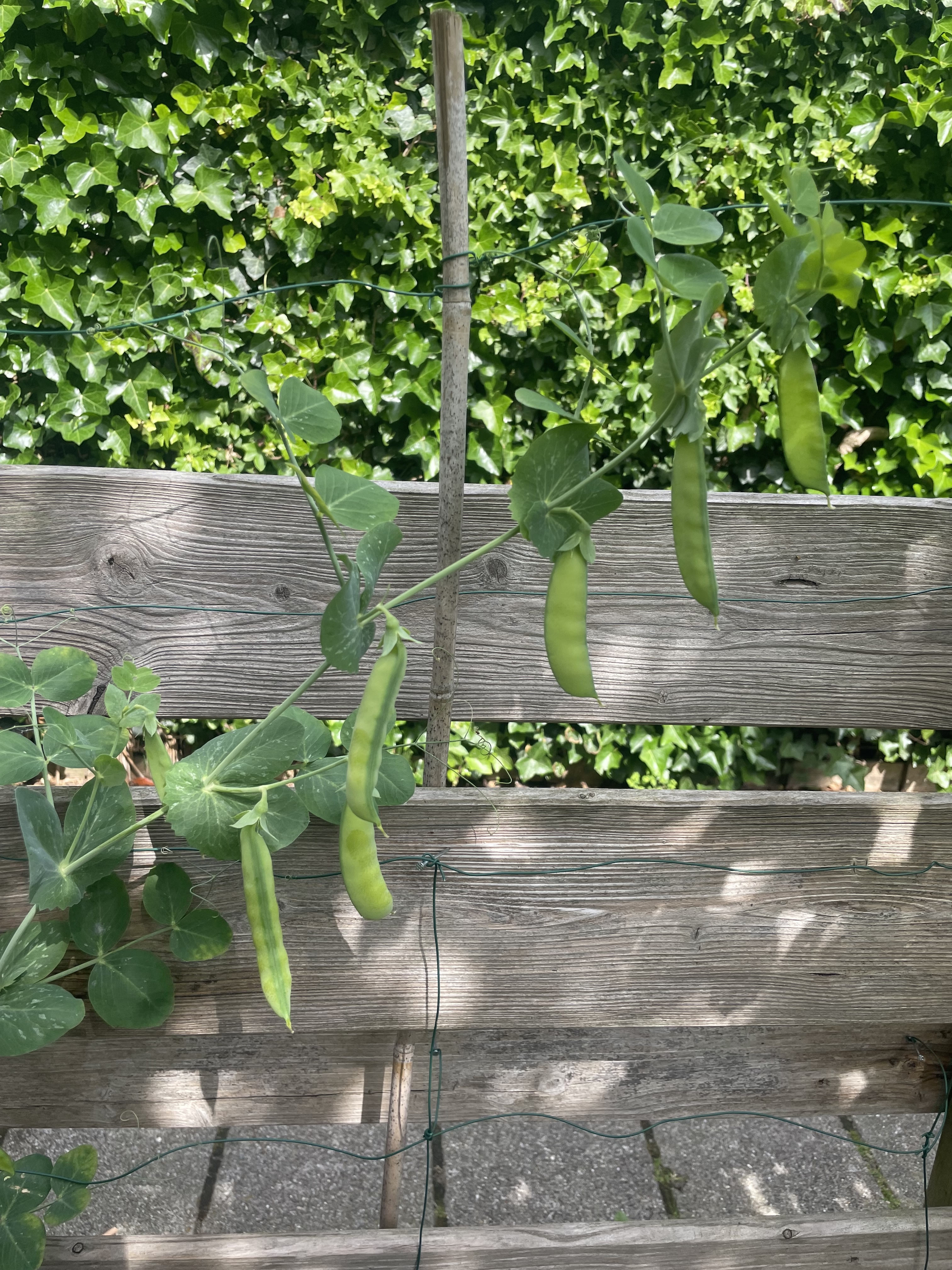
Why pea plants are beautiful:
- delicate climbing tendrils
- flowers of unique shapes (and colours)
- cute dangling pods
Beautiful varieties for small gardens:
- ‘Blauwschokker’ – purple pods and purple flowers
- ‘Golden Sweet’ – pale yellow pods with ornamental softness
- ‘Tom Thumb’ – dwarf variety ideal for containers
4. Nasturtium: A cascade of cheerful flowers spilling beautifully through pots and borders
I often feel such joy when I see the first nasturtium plant come back in my garden as warm spring weather rolls in. It’s not because I use the flowers in salad (though you definitely can). It’s that the comeback is a confirmation of life, and a pretty one.

Why nasturtiums are beautiful:
- bright flowers in warm shades
- trailing growth habit
- soft round leaves
Beautiful varieties for small gardens:
- ‘Empress of India’ – deep red flowers with dark foliage
- ‘Alaska’ – variegated leaves for extra ornamental interest
- ‘Peach Melba’ – soft cream and peach-toned flowers
5. Rainbow Chard: Bold, Colourful Stems
Growing rainbow chards in your garden is like having a much more interesting-looking cousin of spinach. The chard leaves can be eaten in more or less the same way as spinach, while the stems would stand out in any vegetable bed.
Why rainbow chards are beautiful:
- vivid stems in red, pink, yellow, and orange
- large glossy leaves
- architectural appearance
Beautiful varieties for small gardens:
- ‘Bright Lights’ – multicoloured stems in pink, orange, yellow, and red
- ‘Peppermint’ – striking pink and white stems
- ‘Rhubarb Chard’ – intense ruby-red stems
6. Amaranth: Dramatic Foliage And Tassel-Like Flowers
The Vietnamese love boiled amaranth leaves, considering them a cooling dish much needed in the heat of summer. Only when I tried to grow it myself to satisfy my crave that I learn how pretty the plant looks.
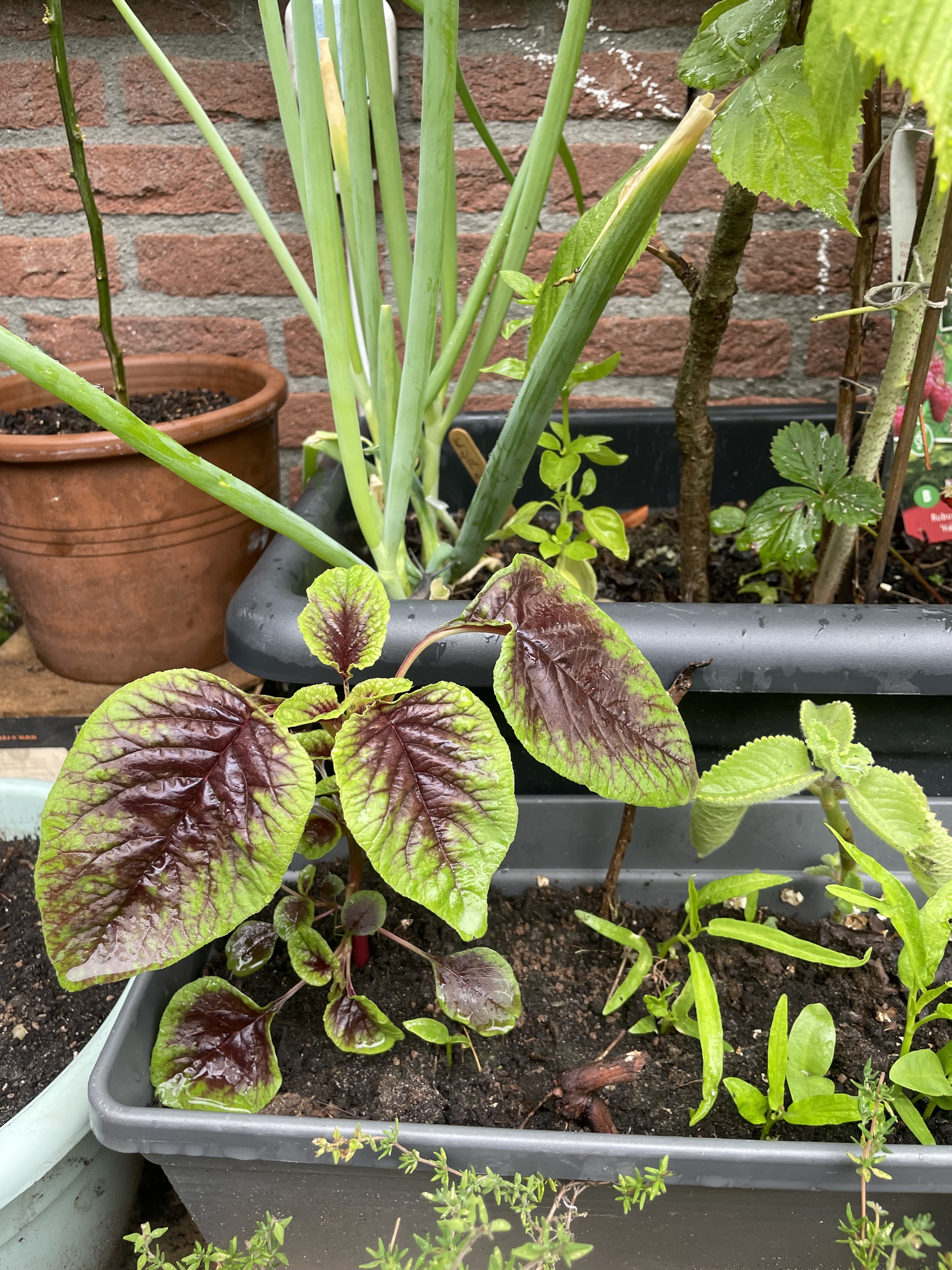
Why amaranth plants are beautiful:
- dramatic foliage
- upright tall stem
- striking tassel-like flowers
Beautiful varieties for small gardens:
- ‘Red Garnet’ – rich burgundy foliage
- ‘Love Lies Bleeding’ – trailing crimson flower tassels
- ‘Hot Biscuits’ – warm bronze-orange flower plumes
7. Red Veined Sorrel: Artsy-Looking Leaves To Brighten The Darkest Corner
Sorrels are one of the most accessible perennial vegetables. That is where I started moving away from annual crops. I also found myself putting the little seedlings in all sorts of shady corners because they stay, grow, and add warmth to the darkest, most slug-prone places.

Why sorrel plants are beautiful:
- green leaves patterned with dark red veins
- grow fine in small containers and shaded corners
Beautiful varieties for small gardens:
- Standard Red Veined Sorrel – classic deep red veining
- ‘Bloody Dock’ – stronger colour contrast and ornamental texture
- Baby Leaf Sorrel Mixes – ideal for decorative container planting
8. Dill: Striking Flower Heads
We don’t use dill often enough in our kitchen. Yet, I grow it here and there because I like its form and admire its flower heads.
Why dill bushes are beautiful:
- feathery foliage
- striking umbrella flowers
Beautiful varieties for small gardens:
- ‘Fernleaf’ – compact and container-friendly
- ‘Bouquet’ – classic tall flowering dill
- ‘Mammoth’ – dramatic height and large flower umbels
9. Chives: Grassy Foliage Topped With Soft Purple Pom-Pom Flowers
One would have said that I mistreated my chives because they would find the plants tucked into the most shady patches of my garden. But then, when the cool weather comes and many things turn brown, the chives stand green. And I love that.

Why chives are beautiful:
- tidy grassy foliage
- purple pom-pom flowers
- soft movement in the breeze
Beautiful varieties for small gardens:
- Common Chives – reliable and compact
- Garlic Chives – white flowers and broader leaves
- ‘Forescate’ – larger rosy-purple blooms
10. Purple Basil: The Contrast In Your Herb Box
Purple basil would do to your mixed herb container what rainbow chards do to your vegetable bed. That is to be the interesting contrast.
Why purple basils are beautiful:
- deep burgundy foliage
- fragrant leaves
- delicate flowers loved by pollinators
Beautiful varieties for small gardens:
- ‘Dark Opal’ – deep purple-black leaves
- ‘Red Rubin’ – rich colouring and strong flavour
- ‘Purple Ruffles’ – heavily textured ornamental leaves
Final Thoughts
One of the most satisfying things about edible gardening is discovering that usefulness and beauty do not compete with each other.
These plants:
- feed pollinators
- soften hard edges
- add colour and structure
- and provide harvests at the same time
In small gardens especially, ornamental edibles create the feeling of abundance without requiring more space.

